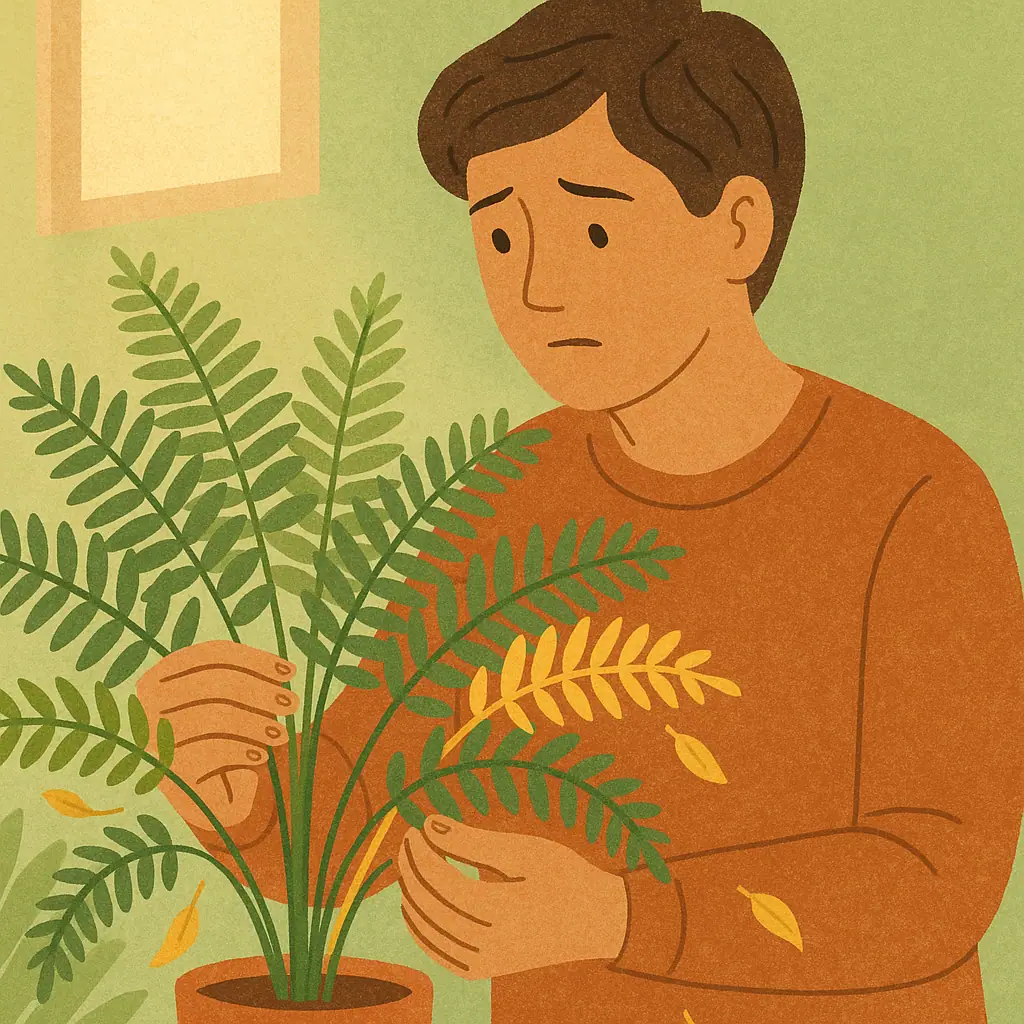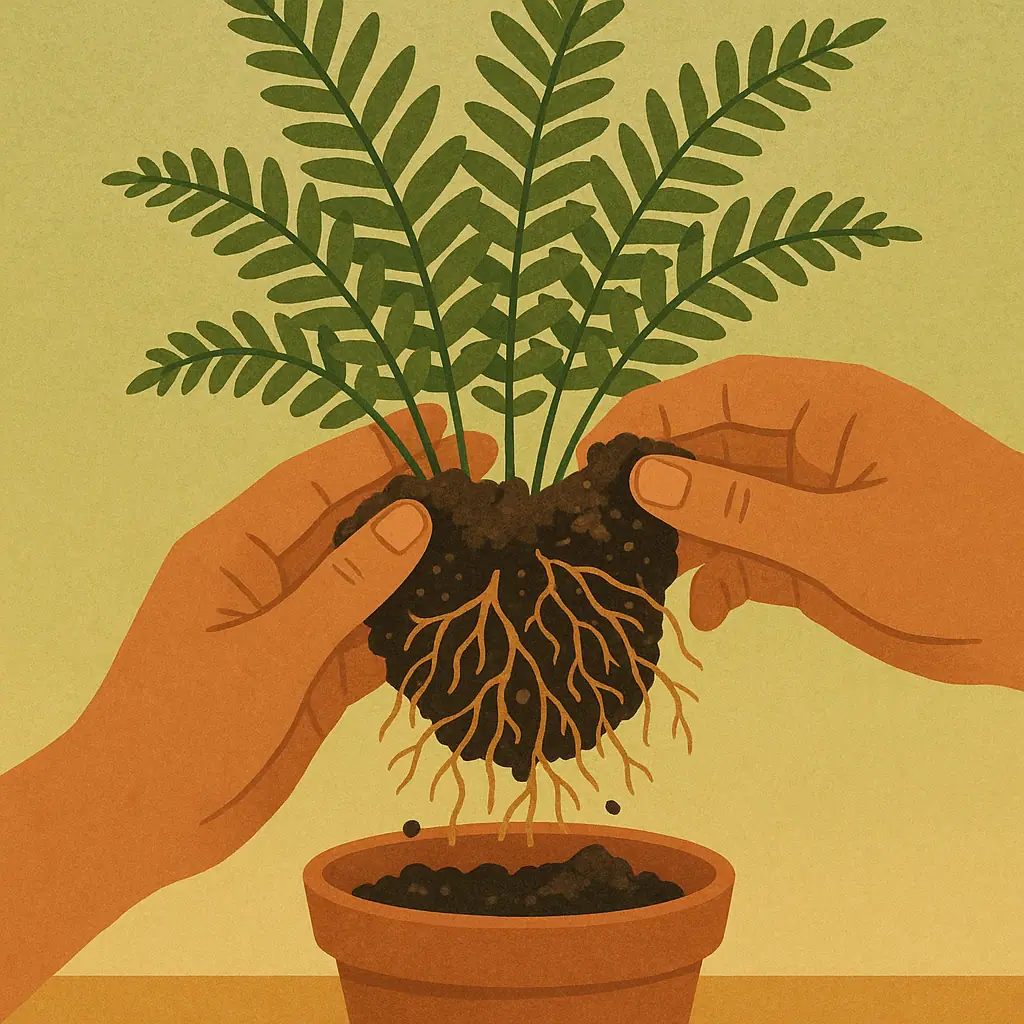
Pale fern leaves can be confusing because they do not always look sick in the obvious way. The fronds may not be brown, crispy, or bright yellow. They may simply look washed out, thin, faded, or less lively than they did a few weeks ago.
That softer color change is worth noticing, but it is not a reason to panic. Pale fronds can come from ordinary aging, a change in light, a fern adjusting to a new spot, dust on the leaves, or a plant that needs a gentle feeding during active growth.
Think of pale color as a quiet note from the plant. Your job is to read the whole message before you reach for fertilizer, water, scissors, or a new window.
Why Pale Fern Leaves Matter
Pale fern leaves matter because color is one of the easiest plant signals to see. A healthy fern is not always the same shade of green from week to week, but a steady fading pattern can tell you that the plant's routine needs a closer look.
The University of Minnesota Extension guide to growing tropical ferns indoors says tropical ferns generally do best in medium indoor light and notes that fertilizer may be used when plants are actively growing or when foliage appears paler green than normal. That does not mean every pale fern needs food right away. It means pale color belongs on the checklist.
Start With Troubleshooting & Plant Health
Troubleshooting & Plant Health begins with one calm question: what changed? A fern that faded after being moved to a brighter window tells a different story than one that slowly faded during active spring growth.
If the color is closer to yellow than pale green, FernLog's guide to yellow fern fronds can help you compare the symptoms. Yellowing often points more strongly toward watering stress, old fronds, or root issues, while pale green can also involve light and feeding.
Look at new growth first
New fronds are your best clue. If new growth is soft green, gradually deepening, and unfurling normally, the plant may be adjusting. If the newest fronds are weak, very pale, or smaller than usual, the fern may need a better light-and-care balance.
Check whether the whole plant is fading
One old frond fading is normal. A whole plant that looks washed out from top to bottom deserves a slower inspection of light, fertilizer timing, soil, and placement.
Common Reasons Fern Leaves Turn Pale
Pale color is not a diagnosis by itself. It is a clue. Most indoor cases come back to a few ordinary causes that can be checked without special tools.
- Too much bright exposure: Fronds may look faded on the window-facing side before they scorch or brown.
- Not enough usable light: Growth may look thin, weak, or stretched when the fern sits in a dim corner for too long.
- Active growth needs: A fern putting out new fronds may become lighter green if it has not been fed in a long while.
- Normal aging: Older fronds often fade before they yellow, brown, or finish their life.
- Dusty foliage: Dust can dull the leaf color and reduce the light reaching the frond surface.
- Recent relocation: A fern may look lighter or tired while it adjusts to a new room, window, or humidity level.
- Watering stress: Soil that swings between very dry and very wet can make the whole plant look less vibrant.
If fading is strongest near the glass, compare your plant with FernLog's guide to telling whether a fern is too close to a window. Window stress can show as pale color before the more obvious signs arrive.
How to Check Pale Fern Leaves Step by Step
Use the same order each time you inspect the plant. A steady routine keeps you from making three changes when one would have been enough.
- Step back first: Look at the whole fern from a few feet away. Notice whether the fading is on one side, the top, the older fronds, or the whole plant.
- Compare old and new fronds: New growth should gradually firm up and deepen in color. Old fronds may fade before they decline.
- Review the light: Check whether the fern recently moved closer to glass, farther from a window, or into stronger afternoon sun.
- Feel the soil: The potting mix should not be constantly soggy or bone dry. Pale color plus limp growth can follow watering stress.
- Look for dust: If the fronds look dull rather than truly pale, gently rinse or clean them according to the plant's tolerance and your sink setup.
- Check feeding history: If the fern is actively growing and has not been fed for months, a diluted houseplant fertilizer may be reasonable.
- Change only one thing: Adjust light, cleaning, watering, or feeding one at a time, then observe for one to two weeks.
Light, Feeding, and the Color of New Growth
Light and feeding work together. A fern in suitable light can use nutrients more effectively. A fern in poor light may not improve just because it receives fertilizer, and a fern in harsh light may keep fading even if the soil is rich.
Start with placement before feeding heavily. Ferns generally prefer bright indirect or medium indoor light, depending on the variety. Direct hot sun through glass can bleach delicate foliage, while a dark room can make growth weak and pale.
After light seems reasonable, consider the season and growth pattern. If the fern is actively producing new fronds, a gentle diluted feeding may help. If it is resting, stressed, recently repotted, or sitting in wet soil, fertilizer is usually not the first answer.
When Pale Leaves Are Part of a Bigger Pattern
Pale leaves become more concerning when they appear with other symptoms. Look for drooping, brown spots, leaf drop, sour-smelling soil, pests, or new fronds that fail to unfurl.
When pale color appears together with spotting, the guide to brown spots on fern leaves can help you separate light, water, pest, and leaf-spot clues. Combining symptoms usually gives a clearer answer than judging color alone.
If the fern also drops leaves, read normal versus concerning fern leaf drop before pruning heavily. A plant may shed older fronds while still growing well, but widespread drop needs a closer look.
Pros and Cons of Responding Quickly
Early observation prevents bigger stress
Catching pale color early gives you time to correct light, watering, or cleaning before fronds brown or drop.
Small changes are often enough
A slight move away from hot glass, a steadier watering check, or a gentle cleaning may improve the next growth cycle.
New growth gives useful feedback
Watching fresh fronds after a care adjustment helps you judge progress without disturbing the plant again.
Rushing can create a second problem
Extra fertilizer, extra water, and a sudden move all at once can stress the fern more than the original pale color.
Old fronds may not recover color
Even when the routine improves, existing pale or faded fronds may stay lighter until the plant replaces them naturally.
A Simple Checklist for Pale Fern Leaves
Use this checklist once a week until the fern seems steadier.
- Side of plant: Is fading strongest on the window-facing side?
- New growth: Are new fronds pale, weak, or slow to unfurl?
- Older fronds: Is fading mostly limited to lower, older fronds?
- Soil feel: Does the pot stay wet for days or dry out completely?
- Light change: Was the fern moved recently, or did seasonal sun shift through the window?
- Dust: Do the fronds look dull because of a surface film?
- Feeding: Is the plant actively growing, and has it gone a long time without gentle fertilizer?
- Other symptoms: Are there spots, pests, drooping, sour soil, or leaf drop?
For a broader weekly habit, FernLog's fern health checklist gives a calm way to inspect plants before small issues become confusing.
When to Get Extra Help
Ask a local nursery, cooperative extension office, or experienced plant friend for help if the whole fern keeps fading, new growth is very weak, pests are visible, or the soil smells sour. Bring clear photos of the whole plant, the palest fronds, the pot, and the window area.
Do not guess at strong fertilizer, pest treatment, or major repotting if the evidence is mixed. A second set of eyes can help you decide whether the problem is light, roots, nutrients, or a simple adjustment period.
Frequently Asked Questions
Are pale fern leaves the same as yellow fern leaves?
Not always. Pale leaves often look washed out or light green, while yellow leaves usually show a stronger color change. Both deserve a check, but they may point to different causes.
Should I fertilize as soon as fern leaves look pale?
No. Check light, soil moisture, age of the fronds, and recent changes first. If the fern is actively growing and otherwise stable, a gentle diluted feeding may be useful.
Can too much sun make fern leaves pale?
Yes. Strong direct sun through glass can fade delicate fronds before browning appears. Move the fern to bright indirect light and watch the next new growth.
Will pale fern leaves turn dark green again?
Sometimes they deepen a little, but old faded tissue may stay light. Judge improvement by whether new fronds emerge stronger and the plant stops fading further.
Final Thoughts
Pale fern leaves are a quiet signal, not an emergency. Start by reading the pattern: old versus new fronds, window side versus room side, soil moisture, dust, and recent changes.
Make one careful adjustment, then give the fern time to answer through new growth. That patient approach protects the plant and keeps indoor fern care simple, steady, and kind.