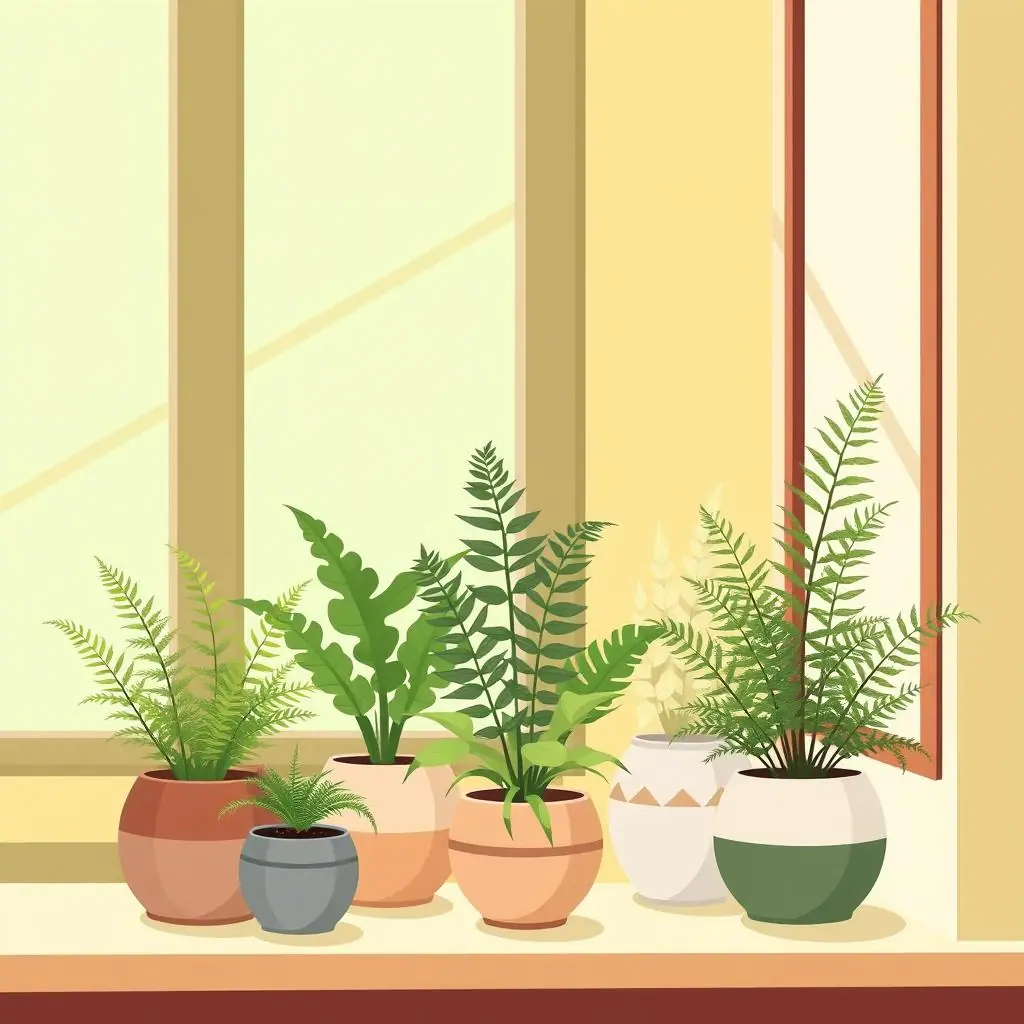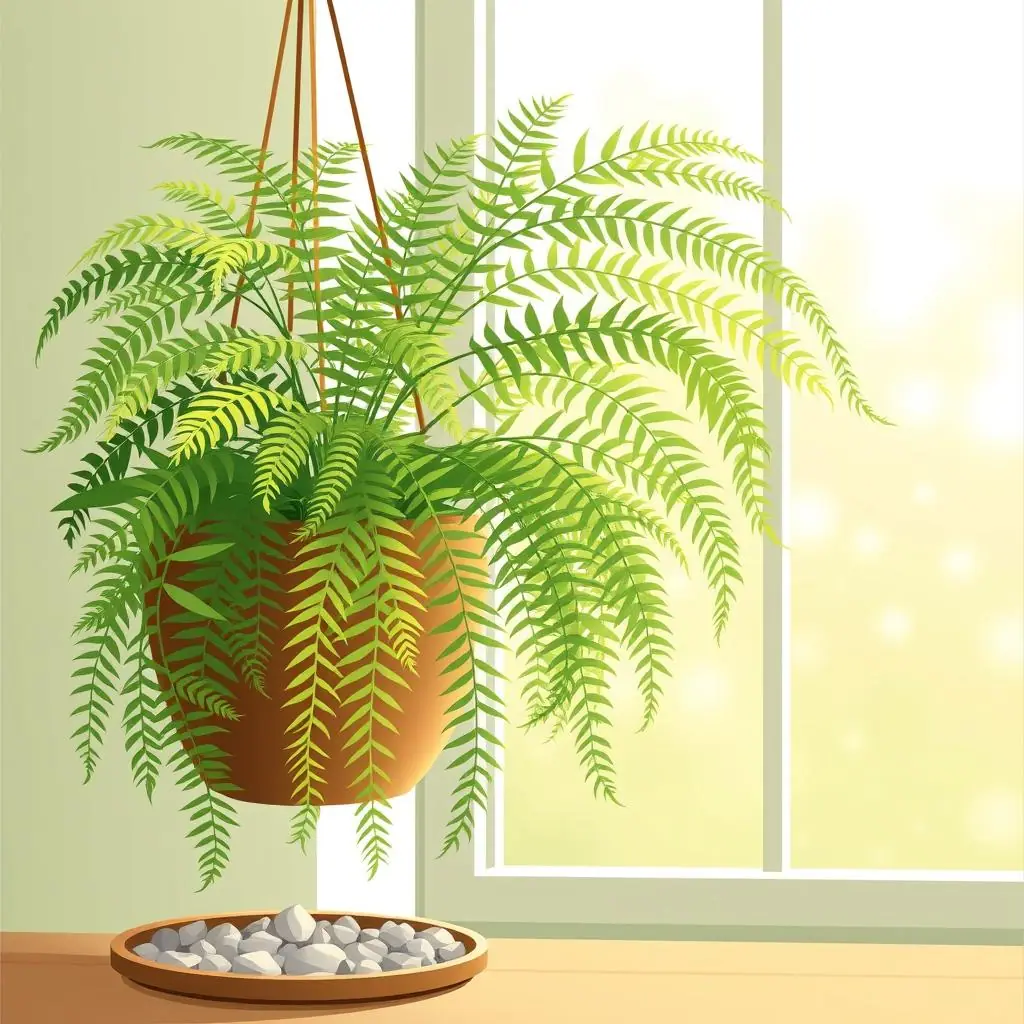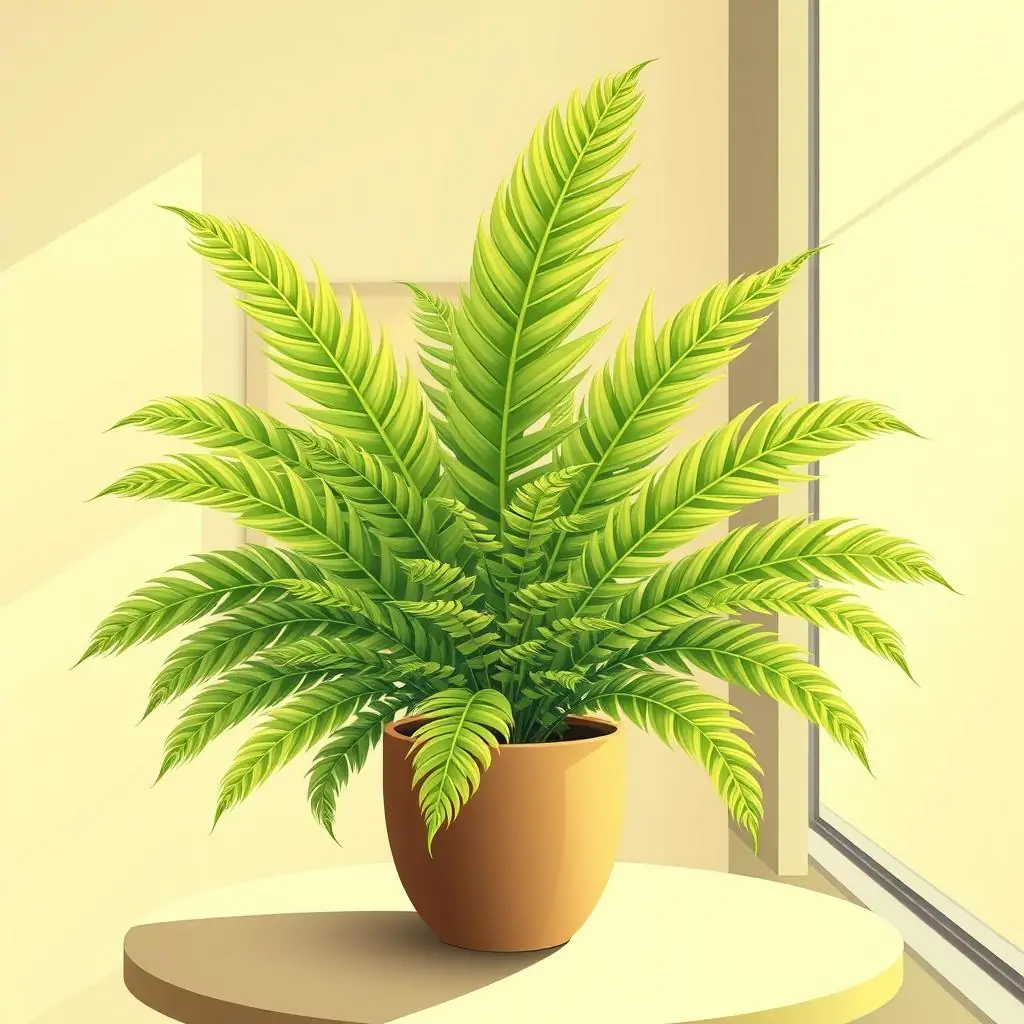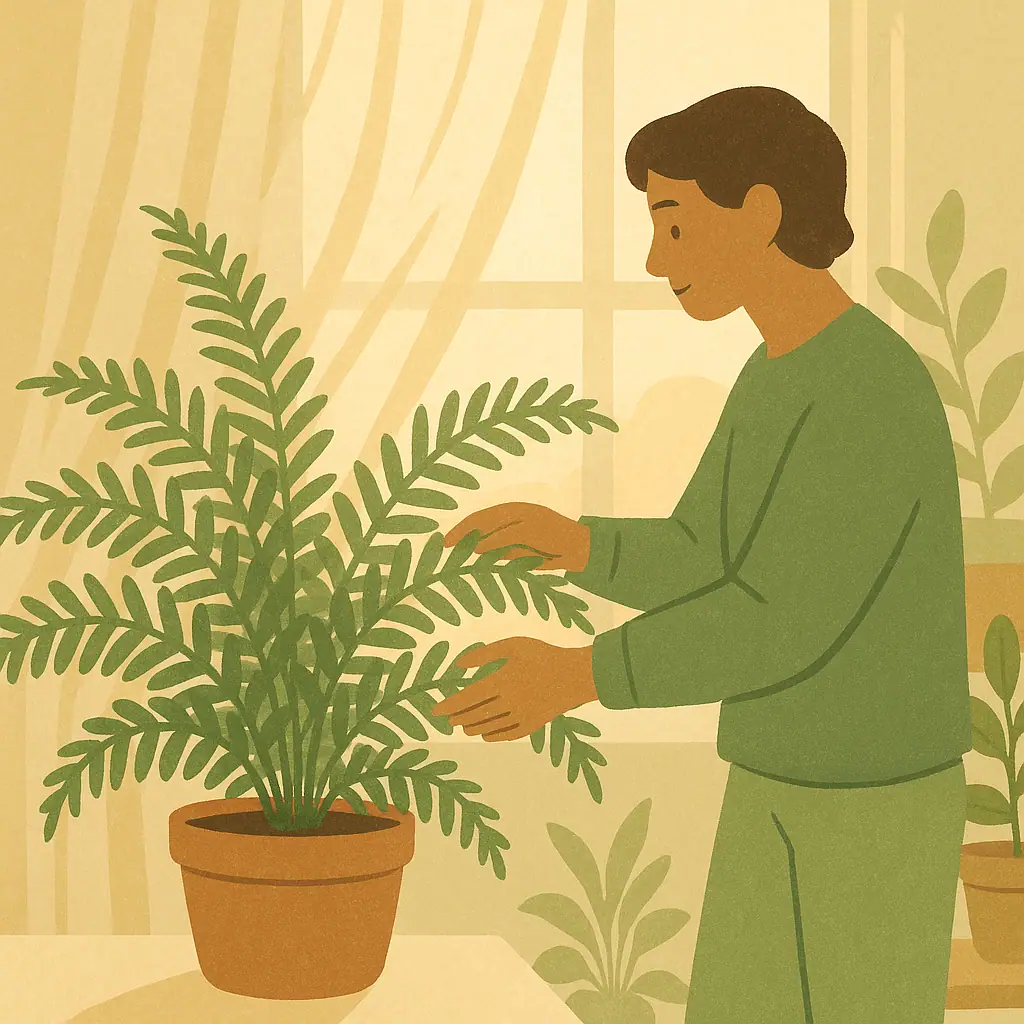
Fern too much light problems often start quietly. One week the plant looks fine near the glass, and the next week a few fronds look pale, crispy, or tired. For a beginner, that can feel discouraging, especially when the fern was placed by the window with good intentions.
The good news is that a fern near a window is not automatically in trouble. Windows can provide the bright indirect light many indoor ferns enjoy. The important question is whether the plant is receiving gentle light or harsh conditions: direct sun, hot glass, cold drafts, or fast-drying soil.
This guide will help you read the clues without overreacting. Think of it like checking whether a favorite chair is too close to a heater or a drafty door. A small shift in placement may make the whole spot more comfortable.
Why Fern Too Much Light Matters Near a Window
Fern too much light matters because fern fronds are usually built for filtered light, not strong sun pressing through glass for hours. A sunny window can feel pleasant to us, but to a shade-loving fern it may act like a magnifying routine of heat, glare, and dry air.
The University of Minnesota Extension notes that many tropical ferns grow best indoors in medium light, such as an east-facing window or a few feet back from a west or south-facing window. You can use their tropical fern care guidance as a helpful outside reference when judging light, humidity, and watering together.
After you understand that general care pattern, look at your own plant rather than the window label alone. Two south-facing windows can behave differently depending on trees outside, curtains, season, roof overhangs, and how warm the glass gets in the afternoon.
Start With the Window, Not the Watering Can
When a fern looks unhappy by a window, many people water immediately. Sometimes that helps, but sometimes it hides the real issue. If the plant is too close to hot glass or direct sun, more water will not fix the stress by itself.
Check the direction and time of day
Morning sun from an east window is often gentler than late afternoon sun from a west window. North-facing windows are usually softer, while south-facing windows can become bright and warm for long stretches. These are general patterns, not strict rules, so watch what actually happens in your room.
If sunbeams land directly on the fronds for several hours, the fern may be too exposed. A sheer curtain, a plant stand set farther back, or a nearby table away from the glass can soften the light without sending the plant into a dark corner.
Feel the spot with your hand
Place your hand where the fern fronds sit during the brightest part of the day. If the air feels hot, the glass feels warm, or the light makes you squint, the fern may be too close. If the window area feels chilly at night, especially in winter, cold stress may be part of the problem too.
Window stress can look similar to other plant-health problems. If your fern is also dropping leaflets, compare the pattern with our guide to fern leaf drop. That article can help you decide whether the issue looks like normal aging or a wider stress pattern.
Signs Your Fern Is Too Close to the Glass
A fern that is too close to a window usually gives several clues at once. Do not judge from one old frond. Look for a pattern across the side facing the window, the newest growth, and the soil surface.
- Pale or bleached patches: Fronds facing the window may lose their rich green color and look washed out.
- Crispy brown edges: Tips and margins may dry first, especially on delicate fronds.
- One-sided damage: The window-facing side may look worse than the shaded side of the plant.
- Soil drying unusually fast: Heat and light near glass can make the pot dry faster than your usual routine expects.
- Drooping after bright afternoons: A fern may perk up in the morning but slump after hours of glare or heat.
These clues point toward placement, but they are not a reason to panic. Damaged fronds may not turn green again, yet the plant can often grow healthier new fronds once the conditions improve.
Heat, Drafts, and Humidity Changes to Check First
Window problems are not only about light. A fern can sit in bright indirect light and still struggle if the air beside the window is too dry, too hot, or too cold. This is why fern too much light should be checked alongside humidity and temperature.
Heat stress from sunny glass
Glass can create a warm pocket around the plant. If the pot sits on a sill, the root ball may warm and dry faster than expected. A fern on a stand one or two feet back may receive plenty of brightness without the same heat load.
Cold drafts in winter
Older windows can leak cold air around the frame. A fern may show tired fronds not because the light is too strong, but because night temperatures near the glass are unstable. Move the plant away from direct drafts before changing fertilizer or repotting.
Dry indoor air
Heating and air conditioning can dry the air near windows and vents. If the fronds feel crisp and the soil dries quickly, consider grouping plants, using a pebble tray, or placing the fern in a naturally more humid room with suitable light.
If the plant recently changed rooms, it may also be adjusting to a new environment. Our article on why a fern looks tired after moving explains that a short recovery window is often better than repeated changes.
A Simple Recovery Plan for a Window-Stressed Fern
Once you suspect the fern is too close to a window, make one gentle correction and then watch. Ferns respond better to steady care than to a long list of sudden fixes.
- Move it slightly back: Try a spot a few feet from the same window or behind a sheer curtain.
- Remove only fully dead fronds: Use clean scissors and avoid heavy pruning while the plant is stressed.
- Check soil before watering: Water when the top layer begins to feel lightly dry, not just because the fronds droop.
- Keep the routine steady: Avoid repotting, fertilizing, and moving again unless there is a clear reason.
- Watch new growth: New fronds tell you more about recovery than old damaged ones.
Pros and Cons of Keeping a Fern Near a Window
Good natural brightness
A suitable window can give ferns the medium, indirect light they need for steady growth.
Easy daily observation
Plants near familiar rooms are easier to check for soil moisture, frond color, and new growth.
Beautiful home placement
Soft fern texture near a window can make a room feel calm, green, and lived-in.
Direct sun can scorch fronds
Too much strong light may leave pale areas, crispy tips, and one-sided damage.
Window conditions change
Seasonal sun angle, drafts, and indoor heating can turn a good spot into a stressful one.
Frequently Asked Questions
How do I know if my fern is getting too much light?
Look for pale patches, crispy brown edges, faster soil drying, and damage mostly on the window-facing side. One old frond is not enough; a repeated pattern is more useful.
Should I water more if the fronds droop by the window?
Check the soil first. Drooping can come from dryness, heat, drafts, or adjustment stress. If the soil is still moist, more water may create a second problem.
Is a north-facing window safe for most indoor ferns?
Often, yes, because the light is usually gentle. Still, watch the plant. If the room is very dim, growth may slow, and if the glass is drafty, the fern may need to sit back from the window.
Will scorched fern fronds turn green again?
Usually no. Brown or bleached tissue often stays damaged. Focus on improving the placement and watching for healthier new fronds rather than trying to repair old leaves.
Final Thoughts
A fern too close to a window is not a failure. It is simply a plant asking for a softer seat in the room. By reading the fronds, checking the heat near the glass, and adjusting the pot gradually, you can often prevent small stress signs from becoming a larger plant-health problem.
Start with one change today: watch the window during the brightest hour and decide whether the fern needs a little more distance, a curtain, or protection from drafts. Calm observation is one of the best tools a fern grower can have.