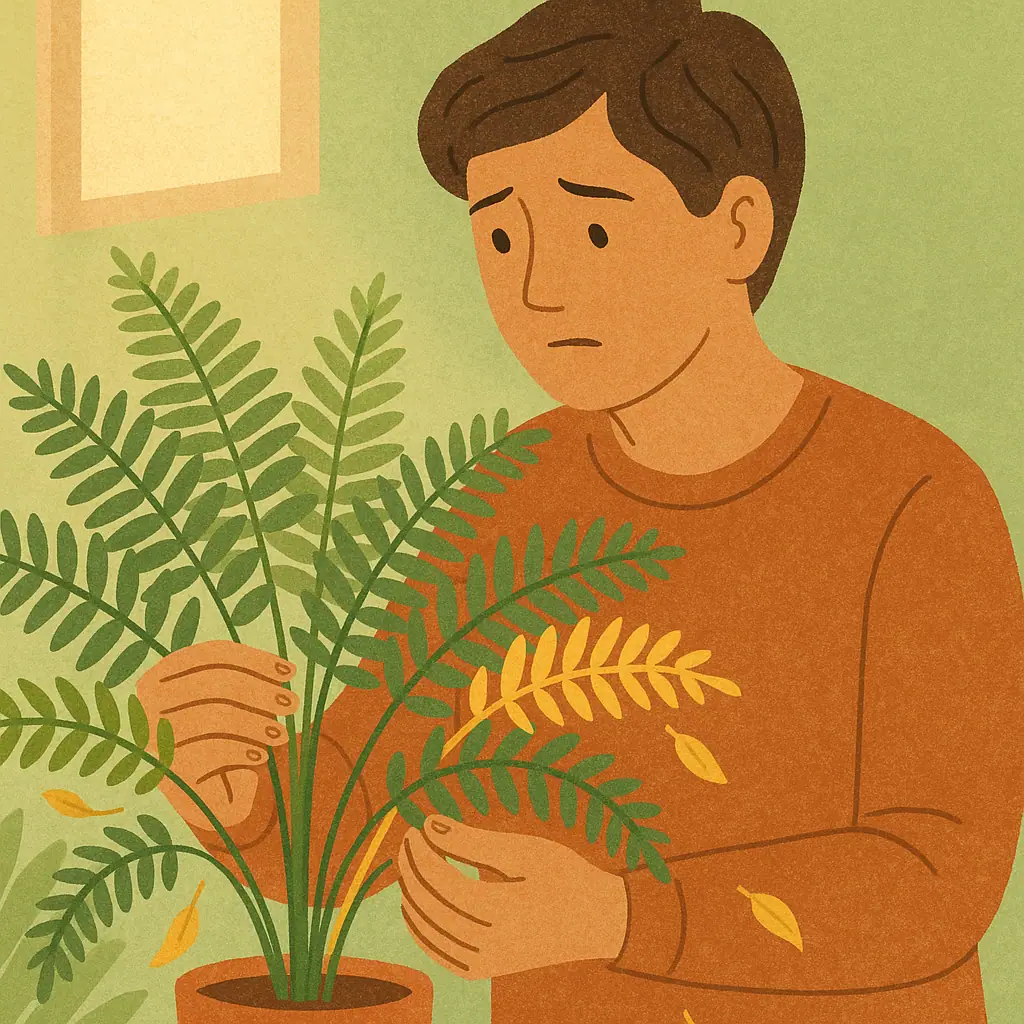
You walk past your fern on a Tuesday morning and notice a handful of fronds scattered on the floor. Your first reaction might be worry — is something wrong? The answer, reassuringly, is that it depends. Ferns drop leaves for two very different reasons: normal aging and genuine stress. Knowing which one you're dealing with makes all the difference.
This guide will help you read the signs your plant is sending you. Once you know what to look for, you'll stop second-guessing and start responding with confidence.
What Is Normal Leaf Drop in Ferns?
Like any living plant, a fern has a natural cycle of growth and renewal. Older fronds — the ones that have been growing the longest, usually at the base or interior of the plant — eventually reach the end of their life span and drop. This is completely healthy.
Think of it like a tree losing leaves in autumn: the plant is redirecting energy toward new growth, not signaling decline. If your fern is producing fresh, green fronds from the center while older outer fronds yellow and fall, you're watching a healthy plant do exactly what it should.
- Location of dropping leaves: Outer or lower fronds dropping is normal. Inner or newer fronds dropping is a warning sign.
- Color pattern: Gradual yellowing followed by drop is natural aging. Rapid browning or blackening is stress-related.
- Rate of loss: One or two fronds per week during active growth is typical. Heavy shedding of multiple fronds quickly is not.
- New growth presence: If new fiddleheads (curled new fronds) are emerging, your plant is healthy despite some loss.
When Leaf Drop Becomes a Cause for Concern

The trouble starts when the shedding is fast, widespread, or affecting young fronds. These patterns tell you something in the environment has gone wrong and your fern is struggling to cope.
Each cause has its own signature, and matching the symptom to the cause is the first step toward a solution.
Low Humidity
Ferns evolved in humid forest environments where moisture in the air is a given. Indoor spaces — especially in winter when heating systems run constantly — can drop to 20-30% humidity, far below the 50-70% ferns prefer. The fronds begin to lose moisture faster than the roots can replace it, leading to wilting and eventual leaf drop.
The fix is straightforward: place your fern on a pebble tray with water (pot above waterline), group it with other plants, or run a small humidifier nearby. Bathrooms with natural light are often ideal fern locations precisely because of naturally higher humidity.
Watering Problems
Both too much and too little water cause leaf loss — they just look slightly different. Underwatered ferns drop fronds that are crispy and dry. Overwatered ferns drop fronds that are limp, yellowed, or soft. The soil is your diagnostic tool: dry and pulling away from the pot edges signals underwatering; soggy and compacted with possible odor signals overwatering or root rot.
Temperature Stress and Drafts
Sudden cold from an open window, or heat blasting from a vent directly above the plant, can shock a fern into dropping leaves quickly. Ferns prefer a stable range of 60-75°F (15-24°C). They are particularly sensitive to cold drafts, which can cause rapid frond loss even when everything else is right.
Insufficient Light
When light drops below what a fern needs to sustain its foliage, the plant sheds fronds to reduce the energy it must produce. This typically happens gradually over weeks. Moving the plant closer to a bright, north or east-facing window — where it gets indirect light — usually halts the decline.
Pests and Root Problems
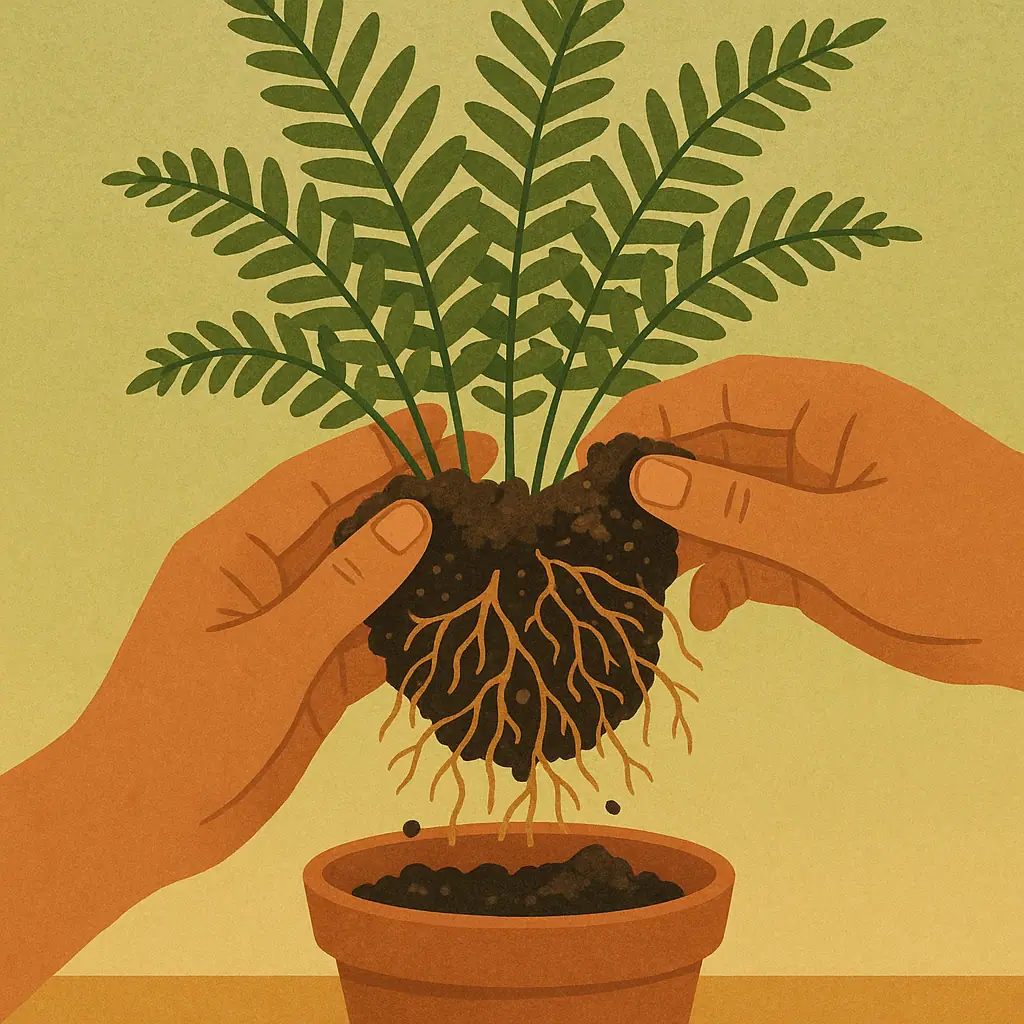
Spider mites, mealybugs, and other pests weaken fronds until they fall. Check the undersides of leaves for tiny insects, webbing, or cottony deposits. Root-bound ferns, where roots have completely filled the pot, also struggle to uptake nutrients and water, leading to steady leaf loss over time.
Pros and Cons of Common Responses to Leaf Drop
Increasing humidity immediately
One of the fastest and most impactful fixes — a pebble tray or humidifier can show results within a week.
Adjusting watering based on soil feel
Checking moisture with your finger rather than following a fixed schedule prevents both overwatering and underwatering.
Relocating the plant away from drafts and vents
A stable temperature environment removes one of the most common hidden stressors for indoor ferns.
Overwatering in response to leaf drop
Adding more water when the fern is already stressed can compound the problem, especially if root rot is already present.
Fertilizing a stressed plant
Ferns dropping leaves need stable conditions, not nutrients — fertilizing during stress can burn already-weakened roots.
How to Trim Dropped and Dying Fronds Properly
Once you've identified the cause and begun correcting it, pruning helps redirect the plant's energy toward recovery. Use clean, sharp scissors and cut dying fronds at the base, close to the crown but without damaging it. If a frond is still partially green, you can leave it — it's still contributing to photosynthesis.
After trimming, give the plant consistent care — proper humidity, indirect light, and appropriate watering — and watch for new fiddleheads to emerge. Most ferns begin showing new growth within 3-5 weeks once stressors are removed.
Frequently Asked Questions
My fern dropped most of its leaves — is it dead?
Not necessarily. Check the crown (the base where fronds emerge) and the roots. If the crown is still green and firm, and roots are pale and somewhat firm rather than black and mushy, your fern can recover. Give it good humidity, correct watering, and indirect light — then wait 4-6 weeks.
Should I repot my fern if it's losing leaves?
Only if the plant is clearly root-bound — roots circling the bottom or emerging from drainage holes. Repotting an already-stressed fern adds more stress. Fix environmental conditions first, and repot only if root issues are clearly contributing to the problem.
Is it normal for a fern to lose leaves after I bring it home?
Yes, this is very common. Moving a plant from a greenhouse to your home involves changes in humidity, light, and temperature that trigger a transition period of leaf drop. Most ferns stabilize within 3-4 weeks once they adjust to their new environment.
Why does my fern keep losing leaves even after I fixed the problem?
Recovery takes time. Fronds already damaged before the fix will continue to drop — the improvement shows up as new healthy fronds emerging from the center, not as the existing damaged fronds recovering. Be patient; it's a slow process measured in weeks, not days.
Final Thoughts
A fern dropping a few older leaves is a plant doing its job — cycling out the old to make room for the new. But a fern dropping quickly, dropping young fronds, or dropping without any new growth appearing deserves your attention. The good news is that most causes are environmental and fixable without special products or expertise.
Observe the pattern, check the soil, look at the location, and give your plant a stable home. Ferns are surprisingly resilient once their basic needs are consistently met.