Lady fern has a softer look than many houseplants. Its fronds feel woodland, airy, and relaxed, which makes it tempting for a shaded room, plant stand, or quiet reading corner. The main question is whether this outdoor woodland fern can stay comfortable indoors.
Lady fern indoor care works best when expectations stay realistic. The NC State Extension Plant Toolbox profile for lady fern describes it as a fern for moist, well-drained soil and full to partial shade. Indoors, that translates to gentle light, steady moisture, and protection from hot dry air.
This guide is not about forcing a lady fern to behave like a plastic-perfect houseplant. It is about giving it a calm indoor spot where its soft woodland style has a fair chance.
Why Lady Fern Feels Different Indoors
Lady fern is often grown as a garden or woodland plant, so indoors it may be more seasonal and sensitive than a tough everyday houseplant. It likes moisture, but it does not want stale water around the roots. It likes shade, but it still needs enough light to keep producing healthy fronds.
If you enjoy ferns with a soft shape, compare this plant with other indoor-friendly options. FernLog's guide to blue star fern care shows a different texture and a more forgiving indoor personality.
Start With the Right Indoor Spot
Choose bright shade, not direct sun
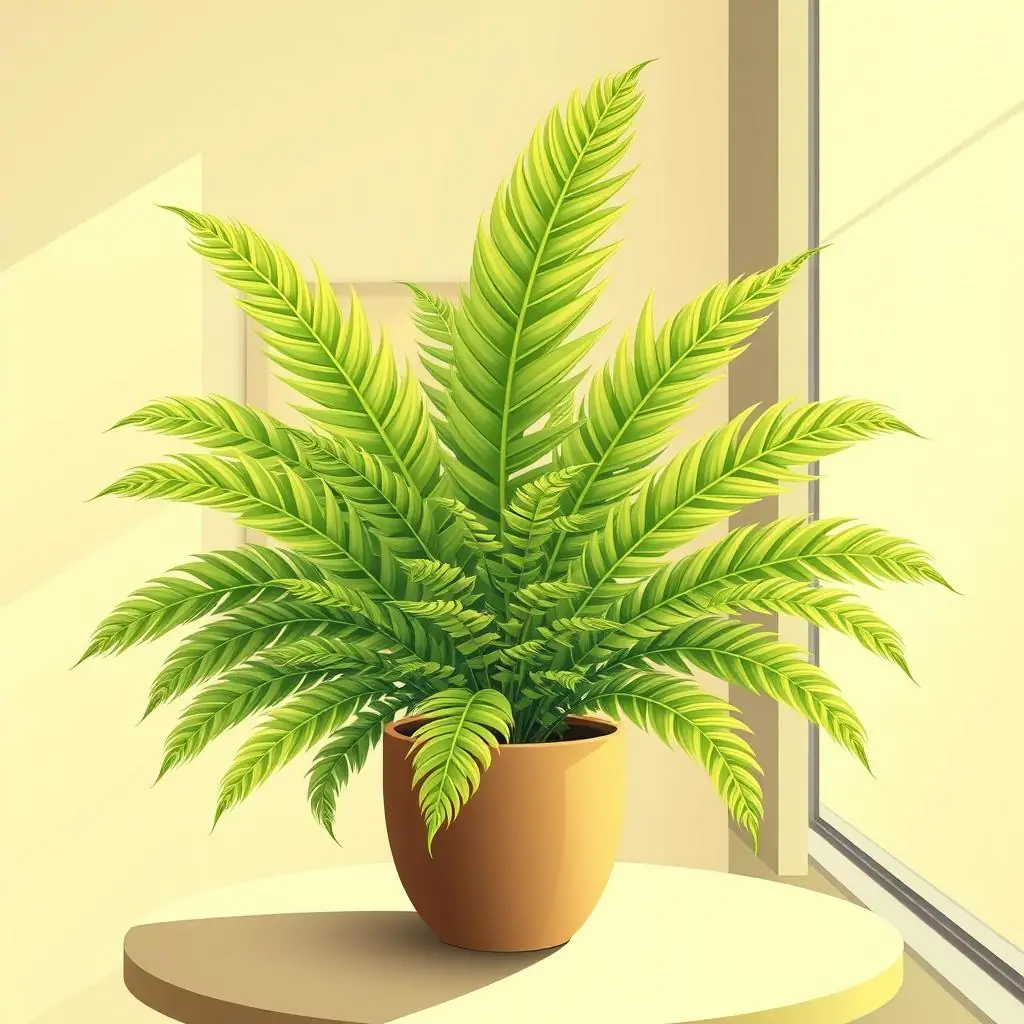
A north-facing window, an east-facing room set back from the glass, or a bright corner away from direct afternoon sun is often a better starting point than a hot sill. Direct sun through glass can dry the fronds and potting mix faster than you expect.
Think of a woodland edge: bright enough to see clearly, but softened by trees. Indoors, curtains, distance from the window, and reflected light can create that same calmer feeling.
What Lady Fern Needs Most
Moisture, drainage, and quiet air
The care pattern is simple but not careless. Keep the potting mix lightly moist, use a container with drainage, and avoid putting the plant near heat vents, air conditioners, or drafty doors. A fern can struggle when the room swings from damp to dry every day.
- Light: Bright indirect light or soft shade is safer than strong direct sun.
- Water: Check before watering, then moisten the mix evenly without leaving the pot in standing water.
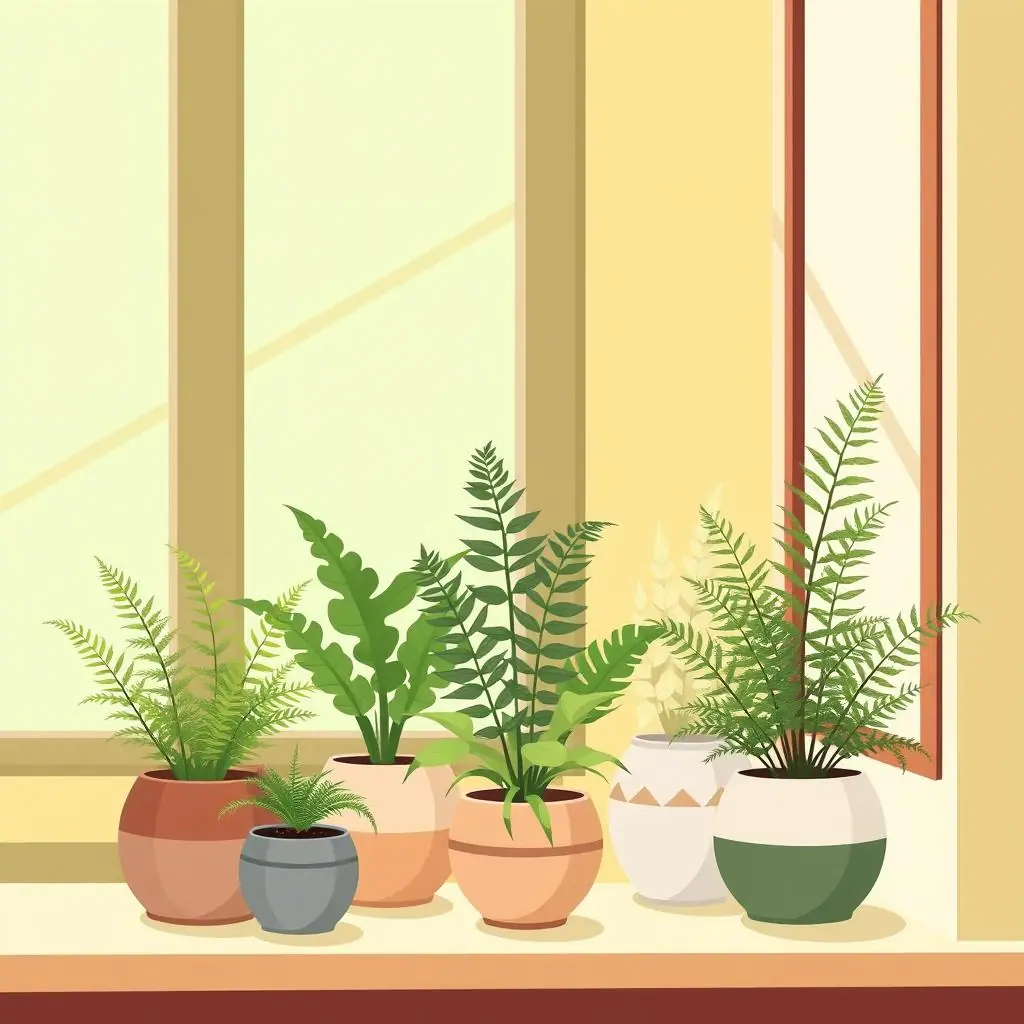
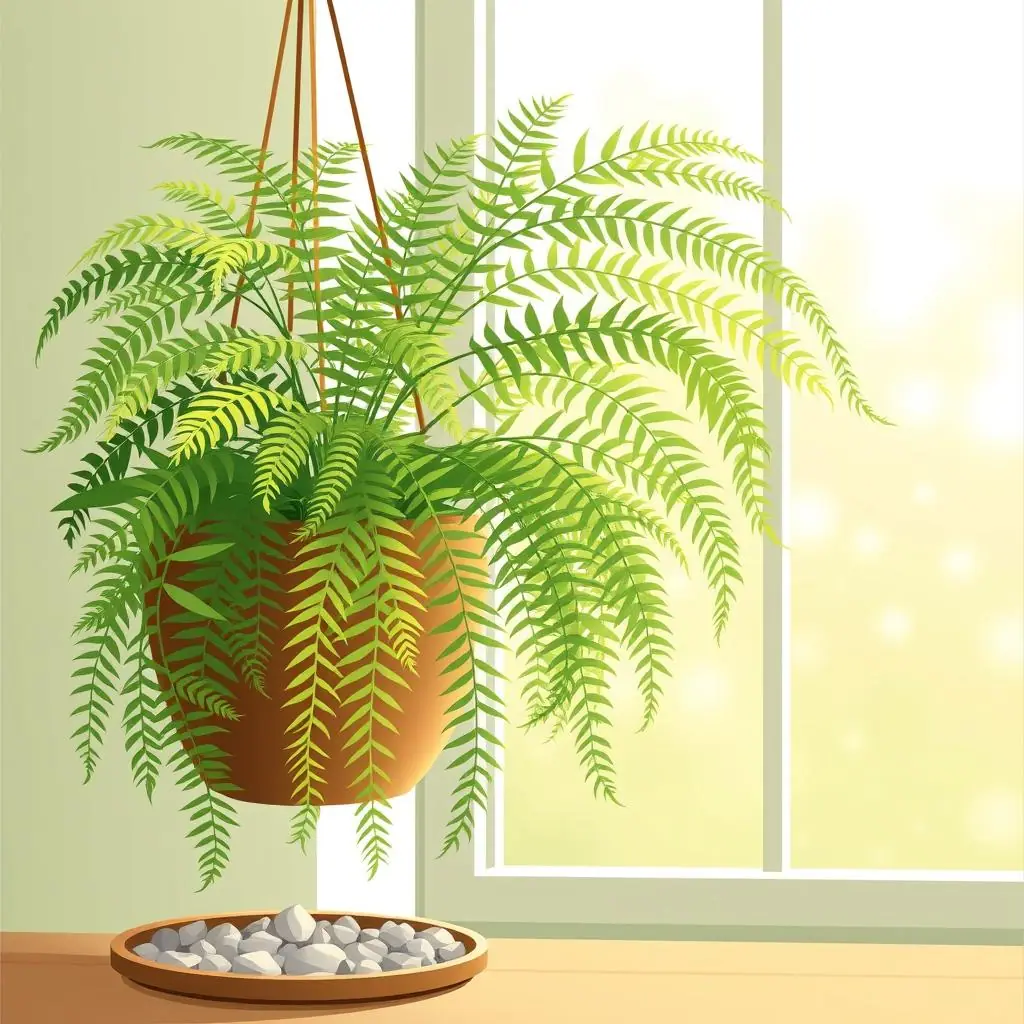
- Humidity: A bathroom with light, a pebble tray, or grouping plants may help in dry homes.
- Potting mix: Use a moisture-holding but well-draining mix, not heavy outdoor soil.
- Placement: Keep fronds away from busy walkways where they will be brushed often.
If your main challenge is keeping moisture steady, the FernLog guide to making a gentle potting mix for ferns can help you understand the balance between damp and soggy.
How to Care for Lady Fern Indoors Step by Step
- Inspect the plant first: Choose a fern with fresh fronds, no sour smell, and no standing water in the nursery pot.
- Place it in soft light: Start in bright shade and watch for crisping or leaning.
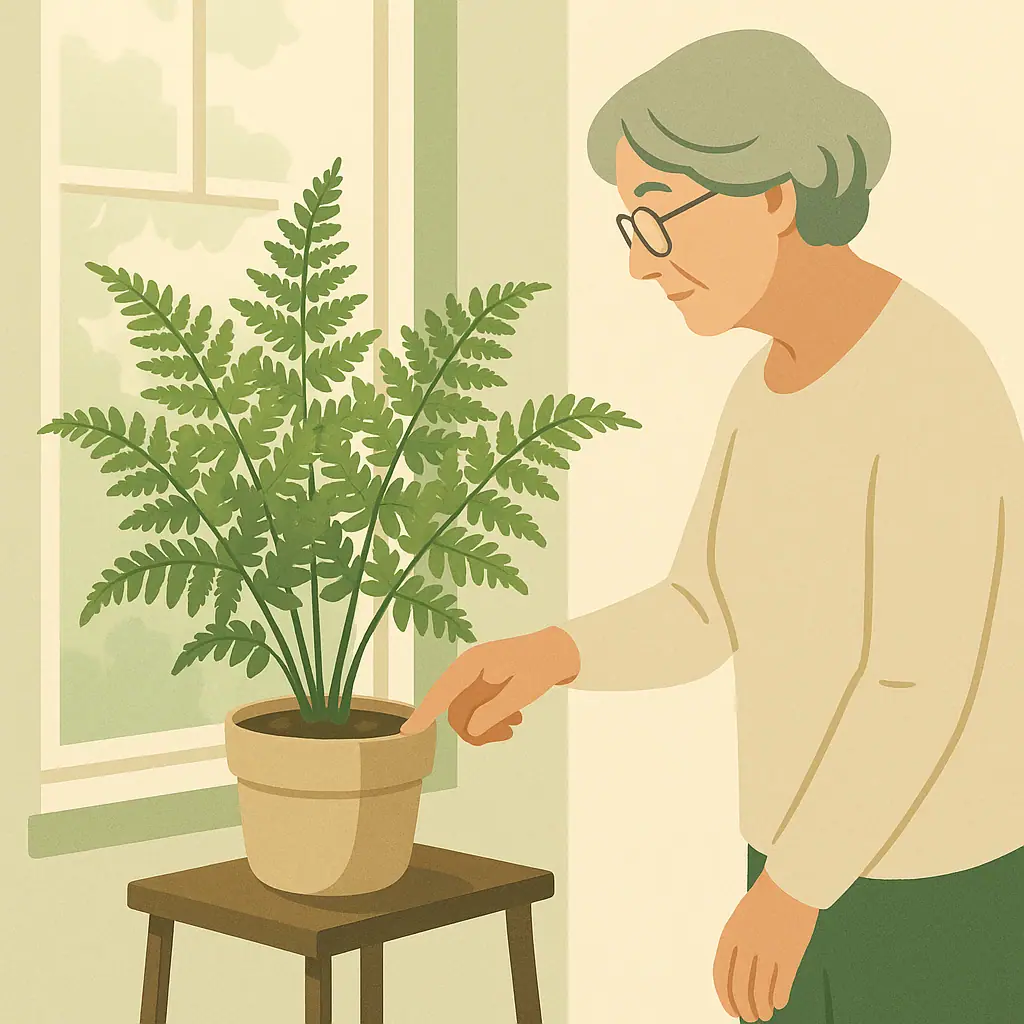
- Check soil with a finger: Water when the surface begins to feel dry, before the whole pot becomes bone dry.
- Drain completely: Let excess water leave the pot and empty any saucer after watering.
- Watch room conditions: Move it away from vents, heaters, cold glass, or harsh afternoon sun.
- Trim gently: Remove tired fronds at the base instead of cutting healthy fronds for shape.
Soft woodland texture
The arching fronds create a natural, gentle look that suits quiet indoor corners.
Good for lower-light rooms
It prefers shade to partial shade, making it useful where sun-loving plants struggle.
Teaches careful watering
The plant rewards a steady moisture routine and helps beginners read fern signals.
Can dislike dry indoor air
Heated or air-conditioned rooms may crisp frond tips unless the placement is adjusted.
Not the toughest beginner fern
It may need more observation than sturdier indoor ferns sold mainly as houseplants.
Common Mistakes to Avoid
The most common mistake is putting lady fern in a dim corner and watering heavily to compensate. Low light plus wet soil can cause decline. The second mistake is treating shade as darkness. The plant still needs usable daylight.
Another mistake is expecting every older frond to stay perfect. Ferns naturally shed and replace foliage. If only the oldest fronds fade while new growth looks healthy, trim calmly and keep observing. For a broader troubleshooting lens, see why fern leaves turn pale.
A Simple Checklist
- Soft light: The plant is bright enough to read near, but not in harsh direct sun.
- Even moisture: The mix is lightly moist, not dry all the way down or waterlogged.
- Drainage clear: The pot drains and the saucer is emptied after watering.
- Air calm: No heat vent, cold draft, or busy walkway is stressing the fronds.
- Growth watched: New fronds matter more than one tired older frond.
When to Move or Rethink the Setup
Move the plant if fronds crisp quickly, the pot dries every day, or the plant leans hard toward the window. Move it away from the window if fronds bleach, scorch, or feel papery after sunny afternoons.
If the fern keeps declining in a dry room, it may be kinder to grow it in a brighter bathroom, a humid plant grouping, or outdoors in a shaded container during suitable weather. A plant that needs a different spot is not a failure; it is information.
Frequently Asked Questions
Can lady fern be a full-time houseplant?
It can be grown indoors with care, but it is more demanding than many common houseplants. Soft light and steady moisture matter.
Does lady fern need direct sunlight indoors?
No. Bright indirect light or soft shade is usually safer. Direct hot sun can dry or scorch fronds.
Why are the tips turning brown?
Dry air, uneven watering, heat vents, or normal aging can all cause browning. Check the whole plant before changing everything.
Should I mist a lady fern every day?
Misting gives only brief moisture. A better plan is steady soil moisture, good drainage, and a naturally calmer humid spot if possible.
Final Thoughts
Lady fern indoors is best for someone who enjoys gentle plant checking. It asks for soft light, consistent moisture, and a room that is not too dry or harsh.
If you can offer that, the reward is a graceful fern with a woodland feeling that makes an indoor corner feel quieter and more alive.