The Boston fern is like the friendly neighbor of the houseplant world—welcoming, reliable, and surprisingly easy to get along with once you understand what makes it happy. If you've ever admired those gorgeous, cascading green fronds in a friend's home and thought "I could never keep one of those alive," this guide will change your mind.
Also known scientifically as Nephrolepis exaltata, the Boston fern has been gracing homes for over a century. It earned its popularity not by being difficult, but by being remarkably adaptable to indoor life. Think of it as the houseplant equivalent of a well-trained dog—it has specific needs, but once you establish a routine, caring for it becomes second nature.
- Classic beauty: Arching fronds that create instant elegance in any room
- Air purifier: NASA-approved for removing indoor air pollutants
- Forgiving nature: Bounces back from minor care mistakes
What Makes Boston Ferns Special?
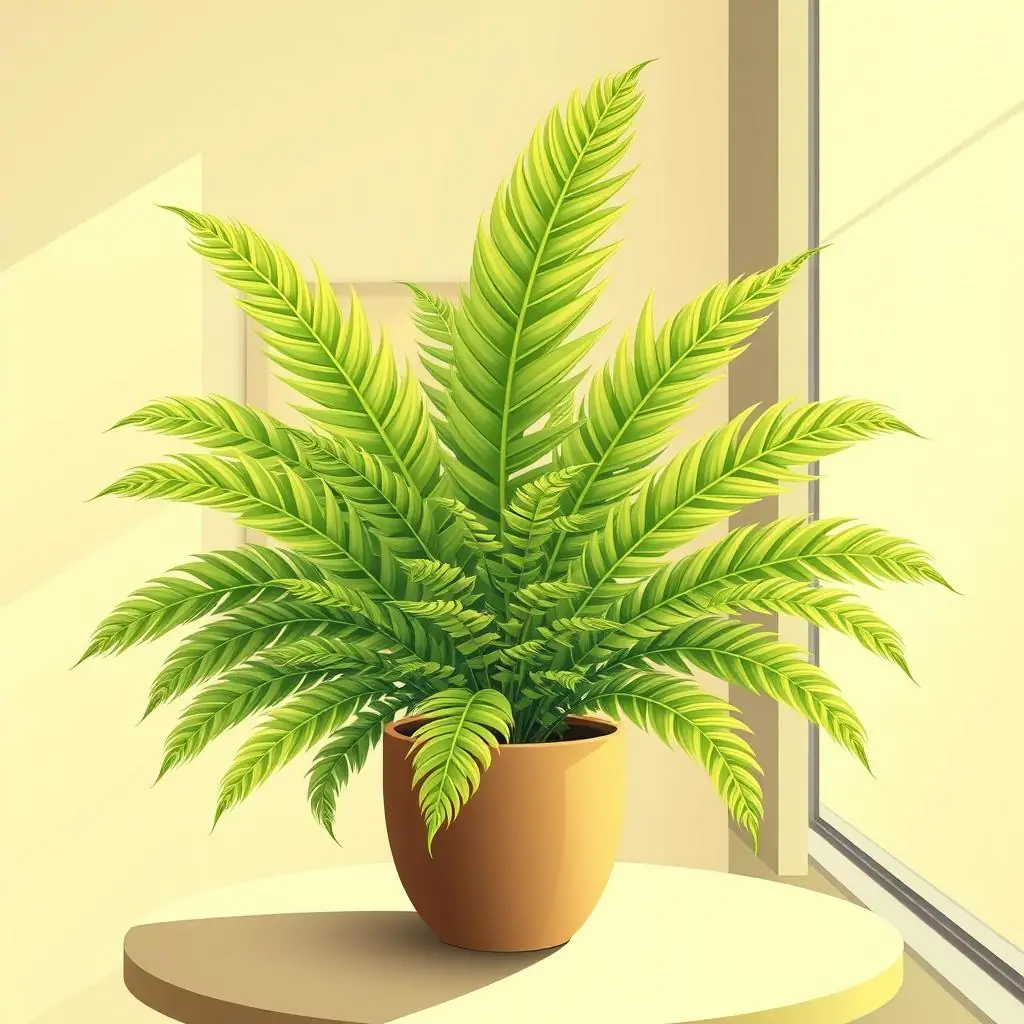
Boston ferns aren't just another houseplant—they're living sculptures that transform any space into a lush, peaceful retreat. Their feathery fronds arch gracefully outward, creating a waterfall effect that's both dramatic and calming. It's like having a piece of the forest in your living room.
These ferns have earned their reputation as the "perfect starter fern" because they communicate their needs clearly. Unlike some finicky plants that suffer in silence, a Boston fern will show you exactly what's wrong and respond quickly when you make adjustments. It's honest feedback that helps you become a better plant parent.
Light Requirements: Finding the Sweet Spot
Boston ferns are like people who prefer morning sunlight to harsh afternoon rays. In their native tropical habitat, they grow on forest floors where tall trees filter the sunlight into gentle, dappled patterns. Your job is to recreate this cozy, protected environment indoors.
An east-facing window is often perfect—it provides bright morning light without the intense midday sun that can scorch delicate fronds. If you only have south or west-facing windows, don't worry. Simply hang a sheer curtain to soften the light, creating that forest-floor effect your fern craves.
💡 Quick Light Test: If you can comfortably read a book in the spot where you want to place your fern, the lighting is probably perfect. Too bright for comfortable reading? Add a curtain. Too dim? Move closer to the window.
Watering: The Goldilocks Approach
Watering a Boston fern is all about finding that "just right" balance—not too wet, not too dry, but consistently moist. Think of it like keeping a sponge at that perfect dampness where it's moist to touch but not dripping water.
Check your fern weekly by sticking your finger about an inch deep into the soil. If the top inch feels dry, it's time to water. When you do water, be generous—water until you see it draining from the bottom holes, then empty any excess from the saucer after 30 minutes.
- Summer watering: Every 5-7 days typically, as growth is active and humidity lower
- Winter watering: Every 10-14 days, as growth slows and indoor air is often more humid
- Water quality: Use filtered or distilled water when possible—Boston ferns can be sensitive to chlorine
Humidity: Creating a Spa Atmosphere
Here's where Boston ferns get their "high maintenance" reputation, but it's really not complicated. These tropical natives simply prefer the air around them to feel like a gentle morning mist rather than desert dryness. The good news? You can create this spa-like atmosphere with simple techniques.
🏆 The Pebble Tray Method — Most Effective
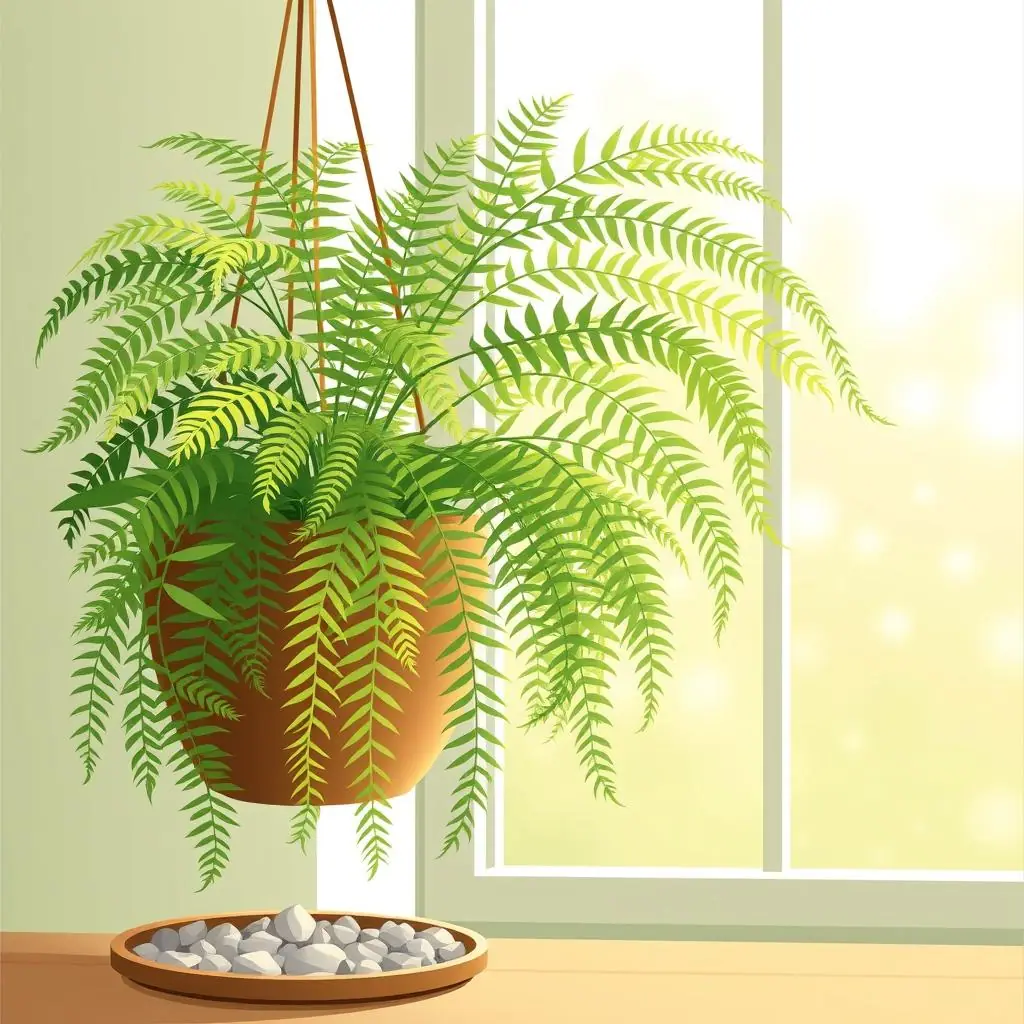
Place your fern's pot on a shallow tray filled with pebbles and water. The pot sits on the pebbles, not in the water, and as water evaporates, it creates a humid microclimate around your plant. It's like a personal humidifier that requires no electricity.
🌿 The Plant Grouping Method — Effortlessly Natural
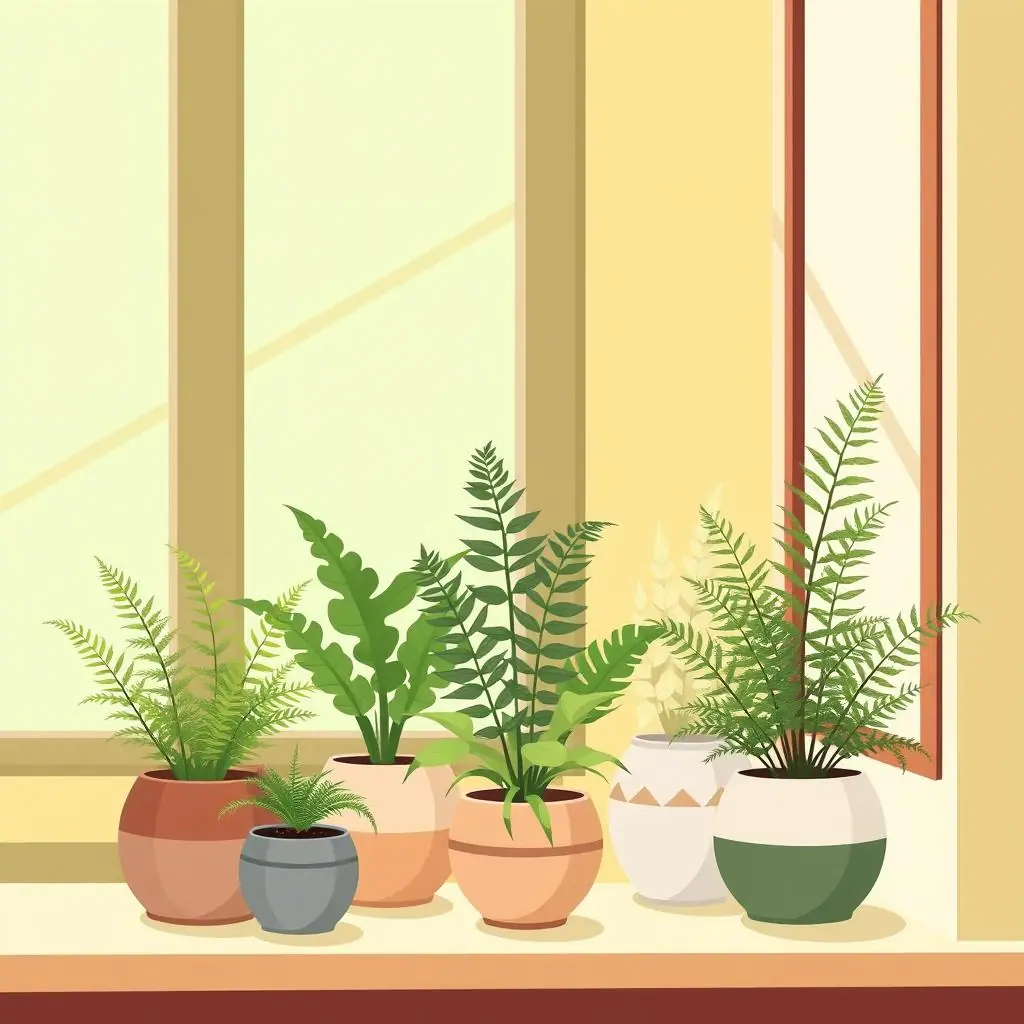
Group your Boston fern with other plants. Plants naturally release moisture through their leaves, creating a more humid environment for everyone. It's like they're having their own little humidity party together.
💨 The Misting Method — Quick but Temporary
Lightly mist the fronds (not the soil) every few days. Use a fine spray bottle and mist in the morning so leaves have time to dry before evening. This provides a quick humidity boost but isn't a long-term solution on its own.
Temperature: Keeping It Comfortable
Boston ferns are surprisingly adaptable to normal home temperatures. They prefer the same range that most people find comfortable—between 60-75°F (15-24°C). Think of them as preferring "sweater weather" over extreme heat or cold.
The key is avoiding dramatic temperature swings. Keep your fern away from heating vents, air conditioning units, and drafty doors or windows. Sudden temperature changes stress the plant and can cause fronds to drop or turn brown.
Soil and Repotting Made Simple
Boston ferns aren't picky about soil, but they do appreciate good drainage combined with moisture retention. A high-quality potting mix designed for houseplants usually works perfectly. If you want to get fancy, add a bit of peat moss to help retain moisture.
Repotting is needed every 1-2 years, typically in spring when you notice roots growing out of the drainage holes. Choose a pot that's only 1-2 inches larger—Boston ferns actually prefer being slightly root-bound to having too much space.
Pros and Cons of Boston Ferns
Stunning Visual Impact
Creates instant drama and elegance with cascading, architectural fronds.
Air Purification
NASA studies confirm Boston ferns remove formaldehyde and other indoor pollutants.
Clear Communication
Shows exactly what it needs—no guessing games about plant health.
Humidity Requirements
Needs higher humidity than most homes naturally provide year-round.
Regular Maintenance
Requires trimming of old fronds and consistent watering schedule.
Frequently Asked Questions
Why are the tips of my Boston fern's fronds turning brown?
Brown tips usually indicate low humidity or inconsistent watering. Increase humidity with a pebble tray or grouping with other plants, and ensure you're maintaining consistent soil moisture.
Can I put my Boston fern in the bathroom?
Absolutely! Bathrooms often provide ideal conditions with naturally higher humidity and typically bright, indirect light from windows. Just ensure there's some air circulation.
How do I know when to repot my Boston fern?
Look for roots growing out of drainage holes, water running straight through without being absorbed, or very frequent watering needs. Spring is the best time for repotting.
Is it normal for older fronds to turn yellow and die?
Yes! Boston ferns naturally shed older fronds as part of their growth cycle. Simply trim these off with clean scissors to keep the plant looking tidy and encourage new growth.
Final Thoughts
Boston ferns have earned their place as America's favorite houseplant fern not through difficulty, but through their remarkable ability to transform any space into a lush, peaceful retreat. Once you establish a rhythm with your Boston fern, caring for it becomes as natural as watering your other plants.
Remember, every expert plant parent started exactly where you are now. Your Boston fern will teach you to read plant signals, appreciate the beauty of natural growth patterns, and find joy in the simple act of nurturing something beautiful. Start with the basics—consistent watering, indirect light, and a bit of extra humidity—and watch as your confidence grows along with those gorgeous fronds.