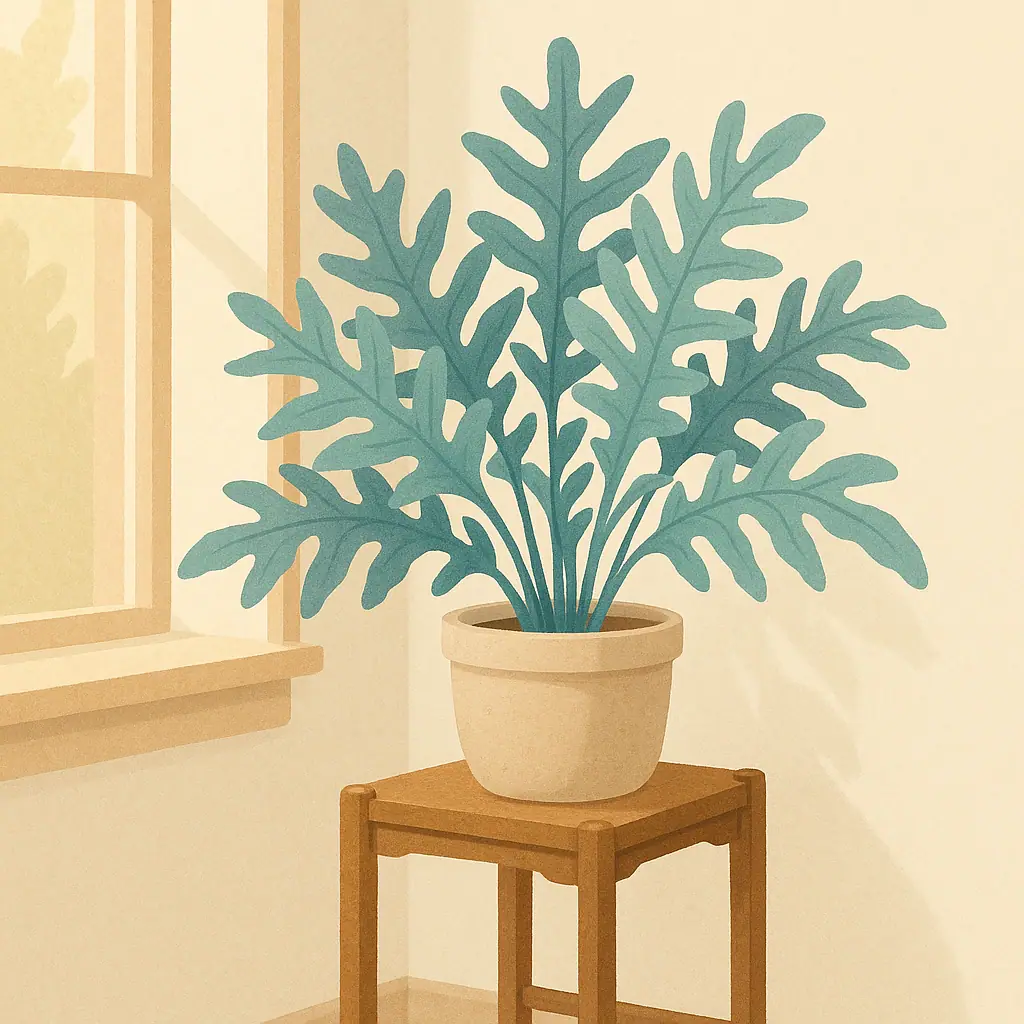
Blue star fern care begins with understanding why this fern looks a little different from the classic Boston fern. Its fronds often have a soft blue-green cast, with gently waved edges that can make a plant corner feel calmer and more settled.
Blue star fern is commonly sold as Phlebodium aureum. It can be a friendly choice for indoor growers because it does not need harsh sun or constant fussing, but it does appreciate a steady routine. Think bright indirect light, lightly moist soil, good drainage, and air that is not too dry.
If you are caring for one for the first time, do not try to perfect everything in one afternoon. Blue star fern care works best when you set up a comfortable spot, watch the fronds for a week or two, and adjust one habit at a time.
Why Blue Star Fern Care Matters
A blue star fern can look relaxed even when its care is slightly off, so small clues matter. Pale fronds, crispy edges, limp growth, or soil that stays wet for too long can all point to different needs. The goal is not to panic over one tired frond. The goal is to notice patterns early.
The NC State Extension Plant Toolbox describes Phlebodium aureum as needing partial sun, medium to high humidity, good air circulation, and a moist but not soggy substrate. That outside reference is a useful anchor for the basics of Phlebodium aureum care from NC State Extension.
Start With a Simple Fern Species Guide
Blue star fern is valued for its color and soft shape. It often looks lovely on a plant stand, a wide shelf, or a side table where the fronds can arch naturally without being brushed every time someone walks by.
Unlike some finer-leaved ferns, blue star fern has broader, leathery fronds. That does not mean it wants to dry out completely. It simply means the plant may look sturdier while still needing the familiar fern basics: gentle light, steady moisture, and comfortable humidity.
What makes blue star fern appealing
- Soft color: The blue-green tone adds quiet contrast to a mostly green plant collection.
- Relaxed shape: The fronds spread in a casual way that suits calm indoor rooms.
- Beginner-friendly rhythm: It responds well to a simple check-and-adjust routine.
- Distinctive texture: The wavy fronds look different from many common houseplants.
If you enjoy ferns with unusual color, FernLog's guide to Autumn Fern Indoors: Color, Texture, and Care offers another comparison point. Autumn fern brings coppery new growth, while blue star fern is more about cool, silvery green calm.
What to Check First for Blue Star Fern Care
Before changing the routine, check four simple things: light, soil moisture, drainage, and air movement. These basics explain most blue star fern problems.
Start with light. A blue star fern usually wants a bright room without strong direct afternoon sun on the leaves. If you can read comfortably nearby during the day, the spot may be bright enough. If the fronds sit against hot glass or receive sharp sunbeams, move the plant back a little.
Next, check the potting mix. It should feel lightly moist after watering, then begin to dry slightly at the surface before the next watering. Muddy soil, a sour smell, or water sitting in the saucer all suggest that the roots are not getting enough air.
Simple first checks
- Light: Bright indirect light, not dark shade and not hot direct sun.
- Water: Moist but not soggy soil, with water draining out freely.
- Humidity: Moderate to higher humidity, especially in winter-heated rooms.
- Air: Gentle air circulation, away from cold drafts and heating vents.
For another everyday fern with a friendly indoor shape, Kangaroo Paw Fern Care: A Friendly Fern for Everyday Homes can help you compare how thicker fern fronds behave. Blue star fern has its own rhythm, but the habit of observing light, water, and air is the same.
How to Handle Blue Star Fern Care Step by Step
A steady routine keeps blue star fern care from feeling mysterious. Use the same order each time you check the plant.
- Choose a calm bright spot. Place the fern where it gets bright indirect light, with no harsh afternoon sun touching the fronds.
- Check soil before watering. Feel the top of the mix. Water when it is beginning to lose moisture, not when it is still wet and heavy.
- Water thoroughly and drain well. Water the soil slowly until a little drains from the bottom, then empty the saucer after the pot has finished draining.
- Protect the fuzzy rhizomes. If brownish, fuzzy rhizomes sit near the surface, avoid burying them deeply or keeping them constantly wet.
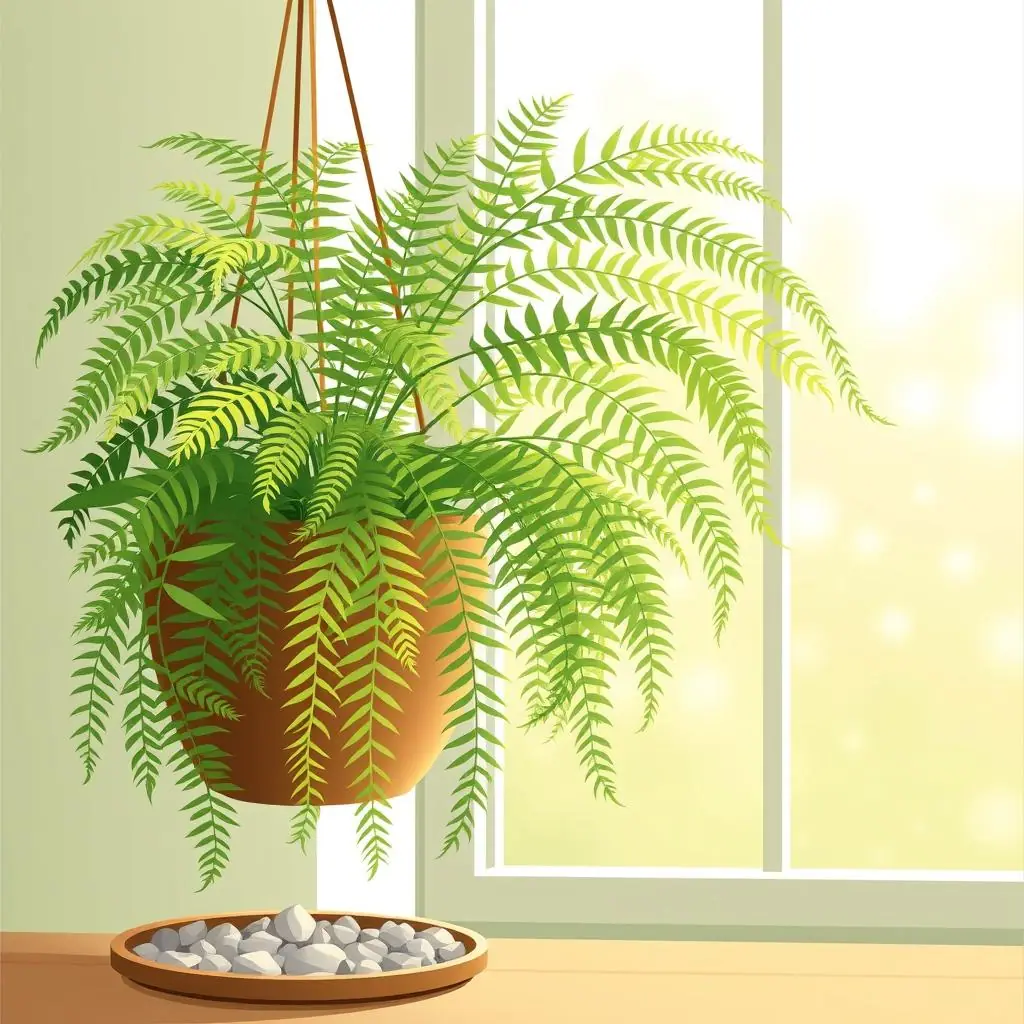
- Support humidity gently. Group it near other plants, use a pebble tray, or place it in a bright bathroom if the room has enough light.
- Trim only spent fronds. Remove fully brown, broken, or yellowing fronds with clean scissors, but leave healthy older growth alone.
- Wait before making another change. Give the fern time to respond unless the soil is soggy, pests are visible, or the plant is declining quickly.
Common Fern Species Guide Mistakes to Avoid
The first mistake is treating the blue color as a sign that the plant needs more sun. That cool tone is part of its natural appeal. Too much direct sun can lead to scorched edges or a washed-out look.
The second mistake is keeping the pot constantly wet because the plant is a fern. Moist does not mean swampy. Roots still need air, and an airy potting mix is especially helpful for this plant.
The third mistake is tucking the fern into a dim corner because it seems decorative there. Blue star fern may tolerate lower light for a while, but weak light often slows growth and makes watering harder to judge.
Pros and Cons of Growing Blue Star Fern Indoors
Beautiful soft color
The blue-green fronds bring a calm, distinctive look without bright flowers or dramatic styling.
Works well in relaxed rooms
Its arching shape suits shelves, plant stands, reading corners, and bright bathrooms.
Good learning plant
It rewards simple observation of light, moisture, humidity, and drainage.
Can dislike soggy soil
Too much water around the roots and rhizomes can cause stress even when the plant wants moisture.
Dry rooms may crisp the edges
Winter heat, vents, and very dry air can make frond edges turn brown or papery.
A Simple Blue Star Fern Checklist
Use this checklist once or twice a week while the plant settles into your home.
- Light: Is the fern in bright indirect light?
- Soil: Is the mix lightly moist rather than soggy or bone dry?
- Drainage: Is the pot draining freely after watering?
- Rhizomes: Are fuzzy surface rhizomes sitting above the mix instead of being buried?
- Fronds: Are the edges staying soft, or turning dry and crisp?
- Air: Is the plant away from vents, cold drafts, and hot window glass?
- Patience: Have you waited long enough to judge the last care change?
When to Get Extra Help
Ask for help if the fern declines quickly, if the soil smells sour, if the base feels mushy, or if you see pests moving on the fronds. A local nursery, cooperative extension office, or experienced plant friend can help you sort ordinary adjustment from a real problem.
Also get help if the plant label is unclear. Blue star fern is often sold under common names, and labels can be brief. A good identification can help you understand mature size, potting needs, and whether the fuzzy rhizomes are normal.
Frequently Asked Questions
What should I check first with blue star fern care?
Check light and soil moisture first. A bright indirect spot and lightly moist, well-drained mix solve many beginner problems.
How often should I review its care?
Look at the plant once or twice a week. In a warm, dry, or very bright room, check soil moisture a little more often until you know the pot's rhythm.
What should I do if I am not sure what is wrong?
Pause big changes and check one thing at a time: light, water, drainage, humidity, and pests. If the fern keeps declining, ask a local plant expert or extension resource.
Can I move a blue star fern later?
Yes. Move it gradually when possible, then give it time to settle. Avoid moving, repotting, and changing watering all in the same week unless there is a clear emergency.
Final Thoughts
Blue star fern care is not about chasing perfection. It is about giving the plant a calm place to live: bright indirect light, airy moisture, good drainage, gentle humidity, and enough time to show you how it is responding.
Start with one simple check today. Feel the soil, look at the light, and notice whether the fronds feel firm or tired. That quiet habit will do more for your blue star fern than a rushed rescue plan.