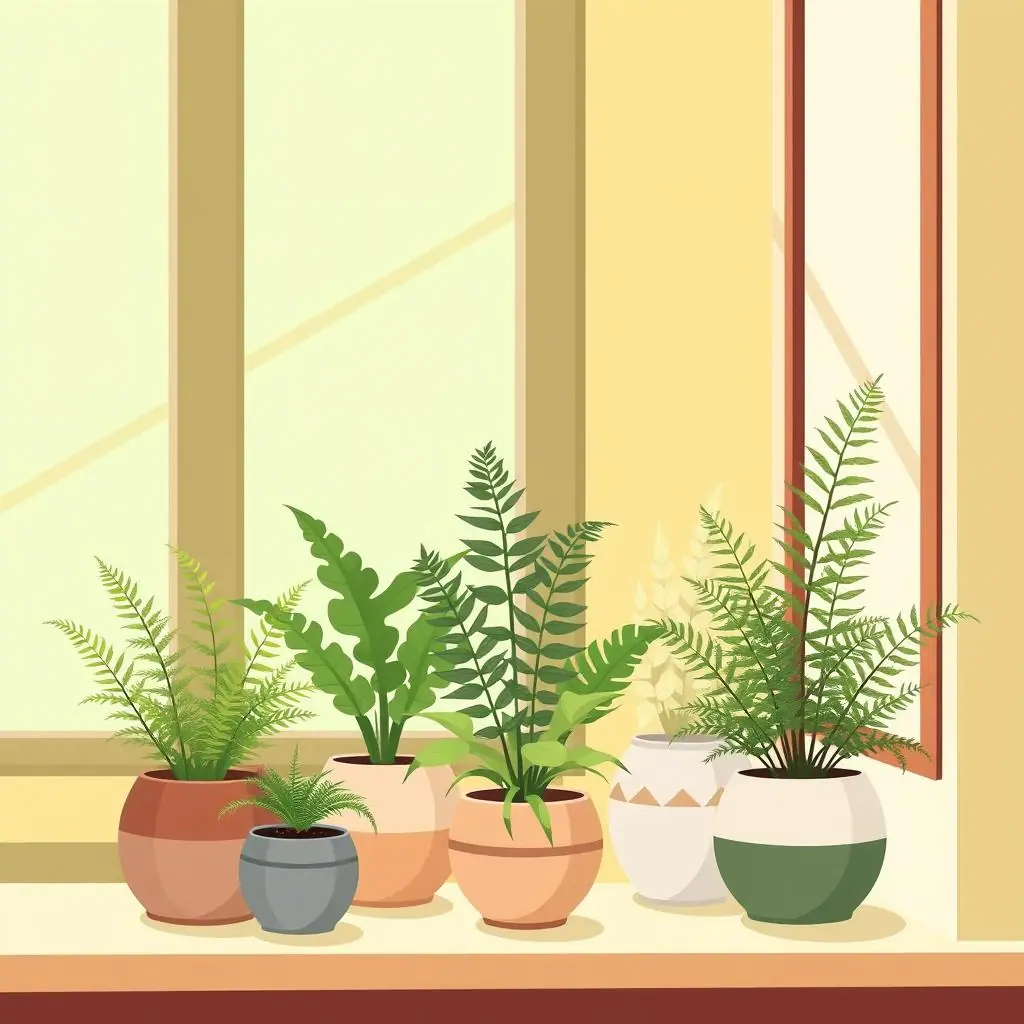
Learning how to choose healthy fern plants at the garden center can save you weeks of worry after you bring a new plant home. A fern may look pretty from a distance, but the real clues are in the fronds, soil, roots, pot, and plant label.
You do not need to be a plant expert. You only need a calm routine for looking closely before you buy. Think of it like choosing fruit at the grocery store: you are checking for freshness, firmness, and signs that something has been sitting too long.
Why It Matters to Choose Healthy Fern Plants
Ferns can be forgiving once they settle into the right room, but a weak plant has a harder start. If the fronds are already dry, the soil smells sour, or pests are hiding under the leaves, the first weeks at home may feel confusing even if your care is reasonable.
Virginia Cooperative Extension's indoor plant culture guidance recommends choosing plants that look sturdy, clean, and well-potted, and avoiding plants with yellow leaves, brown margins, wilting, spots, blotches, spindly growth, or torn leaves. You can read that general houseplant selection advice in their Indoor Plant Culture publication.
Start With the Fern Type and the Plant Label
Before inspecting every frond, pause at the label. A fern tag can tell you whether the plant wants bright indirect light, higher humidity, steady moisture, or more space than your shelf can offer. If the label is missing or vague, ask the garden center staff for the fern's common name and basic care needs.
If you are shopping for a softer blue-green fern, FernLog's guide to Blue Star fern care can help you understand one forgiving option before you compare plants in person.
Match the fern to your real room
A beautiful fern can still be the wrong fern for your home. Picture the exact window, table, bathroom, shelf, or plant stand where it will live. If the plant needs more light, humidity, or space than that spot can provide, keep looking.
- For gentle light: Look for ferns known to handle indirect indoor light rather than full sun.
- For small shelves: Choose compact growth instead of a wide fern that already overhangs the pot.
- For busy routines: Pick a sturdy-looking plant with evenly moist soil, not one that already looks thirsty every time you visit.
What to Check First to Choose Healthy Fern Plants
Stand back first. A healthy fern should look balanced, fresh, and alert. It does not need to be perfect, but the whole plant should give you a sense of even growth rather than one good side hiding one poor side.
Then move closer. Look at the top of the fronds, the undersides, the stems near the soil, the pot surface, and the drainage holes. A few old brown tips are not unusual, but widespread browning, limp growth, sticky residue, or webbing are reasons to choose another plant.
Inspect the fronds slowly
Healthy fern fronds should have color that fits the variety and a texture that does not look brittle, collapsed, or badly torn. New growth may be lighter, but it should not look weak or shriveled.
- Look for even color: Avoid plants with large pale patches, yellowing across the whole plant, or scorched brown edges.
- Check both sides: Turn a few fronds gently and look for dots, webbing, sticky spots, cottony bits, or moving insects.
- Notice the shape: A fern leaning hard to one side may have grown in poor light or been crowded on the bench.
- Look for fresh growth: A few firm new fronds or small unfurling tips are encouraging signs.
Check the Soil, Pot, and Roots
The top of the soil should look cared for, not sour, crusted, swampy, or bone dry. Ferns like moisture, but they do not benefit from stale, waterlogged potting mix. A pot that feels extremely heavy and smells musty is a warning sign.
Mississippi State University Extension notes that healthy indoor plant roots are generally white and well distributed in the soil, while gray, brown, or decaying-smelling roots are reasons to choose another plant. Their care and selection guide for indoor plants is a useful reference for this basic root check.
If you are not comfortable slipping the plant partly from its nursery pot, ask a staff member. Many garden centers will help you inspect roots without damaging the plant.
How to Choose a Fern at the Garden Center Step by Step
Use this routine every time, even when the plant looks charming right away. It keeps the decision calm and helps you avoid buying a problem because the fronds were pretty from across the aisle.
- Read the label: Confirm the fern name, light preference, mature size, and watering notes.
- Compare three plants: Do not grab the first one. Compare color, fullness, soil, and overall shape.
- Check the fronds: Look for healthy color, firm texture, and no widespread spots, torn areas, or dry collapse.
- Look under leaves: Inspect undersides and stems for pests, webbing, sticky residue, or cottony patches.
- Feel the pot weight: Extremely soggy pots and extremely dry pots both deserve caution.
- Inspect drainage: Make sure the nursery pot has drainage holes and no sour water trapped around the base.
- Ask about arrival timing: A plant that just arrived may need a few days to show stress, while one that has sat too long may be tired.
- Picture the first week: Buy only if you know where it will rest at home in bright indirect light away from vents and hot glass.
Common Garden Center Mistakes to Avoid
The most common mistake is choosing the largest fern without checking whether it is healthy. A smaller, cleaner plant with firm growth may settle in better than a large fern with hidden pests or sour soil.
Another mistake is buying a fern for a room that cannot support it. If your only open spot is a dark hallway, a delicate fern that needs brighter indirect light may disappoint you. If your plant will sit near a window, compare your shopping choice with FernLog's guide to telling whether a fern is too close to a window.
Better first weeks at home
A clean, sturdy fern has a calmer adjustment period than one that was already stressed at the store.
Fewer hidden problems
Checking undersides, soil, and roots lowers the chance of bringing home pests or early root trouble.
More confidence before buying
A simple inspection routine makes the garden center feel less overwhelming, especially for newer fern growers.
Takes a few extra minutes
You may need to compare several plants instead of choosing quickly from the front row.
May mean walking away
If every fern on the bench looks tired, pest-marked, or waterlogged, the best choice is to wait for a healthier shipment.
A Simple Checklist Before You Buy
Use this short list while the fern is still on the garden center bench.
- Name known: Do you know what fern it is and what kind of light it prefers?
- Fronds clean: Are the leaves mostly even in color, not wilted, spotted, sticky, or torn?
- Undersides clear: Do you see no webbing, insects, cottony spots, or suspicious residue?
- Soil reasonable: Is the soil lightly moist rather than sour, swampy, or pulled away from the pot edge?
- Roots reassuring: If checked, are roots pale and firm instead of dark, mushy, or smelly?
- Pot drains: Does the nursery pot have drainage holes and no standing water?
- Home spot ready: Do you already have a bright, gentle, draft-free place for the first week?
When to Get Extra Help
Ask a garden center staff member for help if the label is missing, the fern name is unclear, or you want to inspect roots without damaging the plant. A good answer should include plain care guidance, not just a quick "it is easy" reassurance.
If you are choosing between upright ferns and softer spreading ferns, the care notes can differ. FernLog's guide to Kimberly Queen fern indoor care can help you think about a sturdier upright fern before you make your final choice.
Frequently Asked Questions
What should I check first when choosing a fern?
Start with the whole plant. Look for even color, clean fronds, a balanced shape, and a label that matches the room you have at home.
Should I buy a fern with a few brown tips?
A few old brown tips are not automatically a problem. Avoid the plant if browning is widespread, paired with wilting, or joined by soggy soil, pests, or a sour smell.
Is it okay to check the roots before buying?
Yes, if you do it gently or ask staff to help. You are looking for pale, firm roots and soil that holds together without smelling rotten.
What should I do if I am not sure?
Put the fern back, take a photo of the label, and research the variety before buying. Waiting a day is better than bringing home a plant you cannot place well.
Final Thoughts
To choose a healthy fern, slow down and inspect the plant like a careful neighbor rather than a rushed shopper. Check the label, fronds, undersides, soil, roots, pot, and the room where the fern will live.
The right fern should look clean, steady, and suited to your home. When those pieces line up, you can bring it home with more confidence and give it a gentle first week instead of beginning with a rescue project.