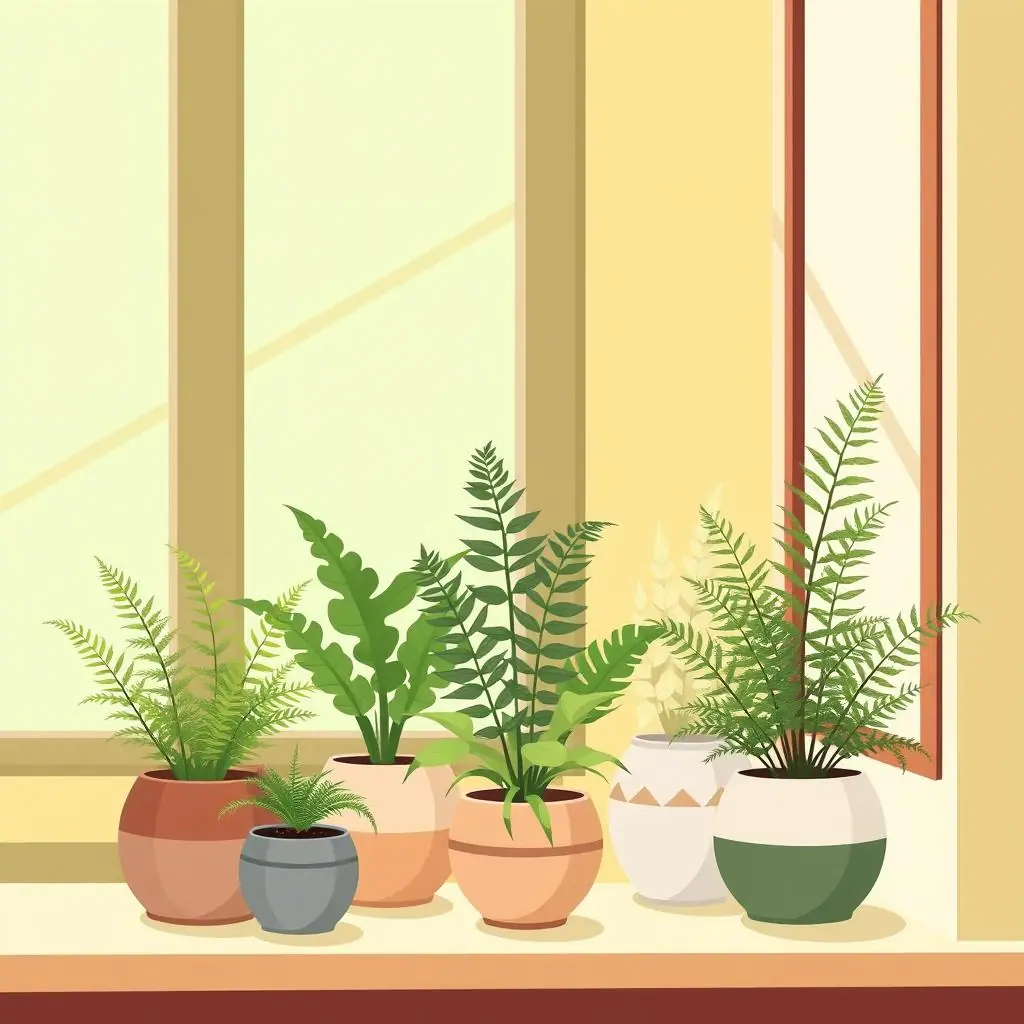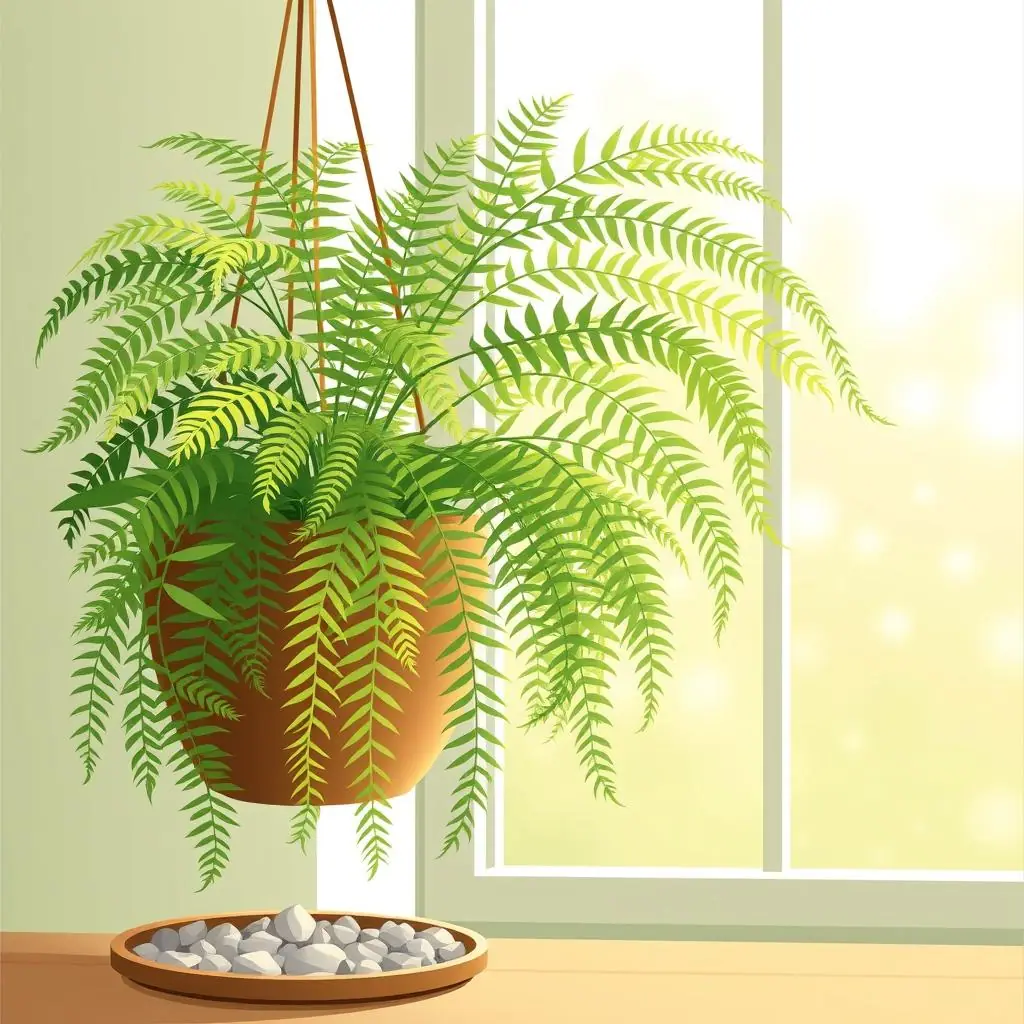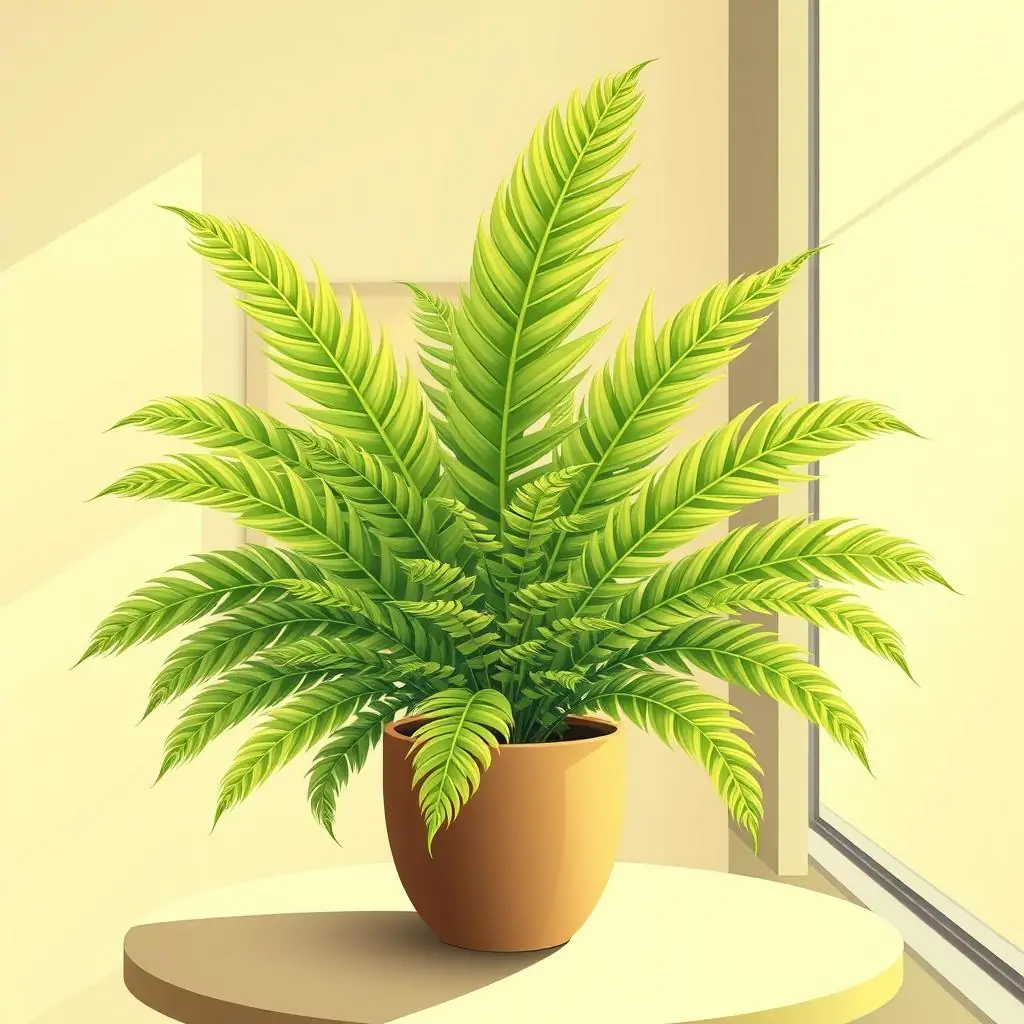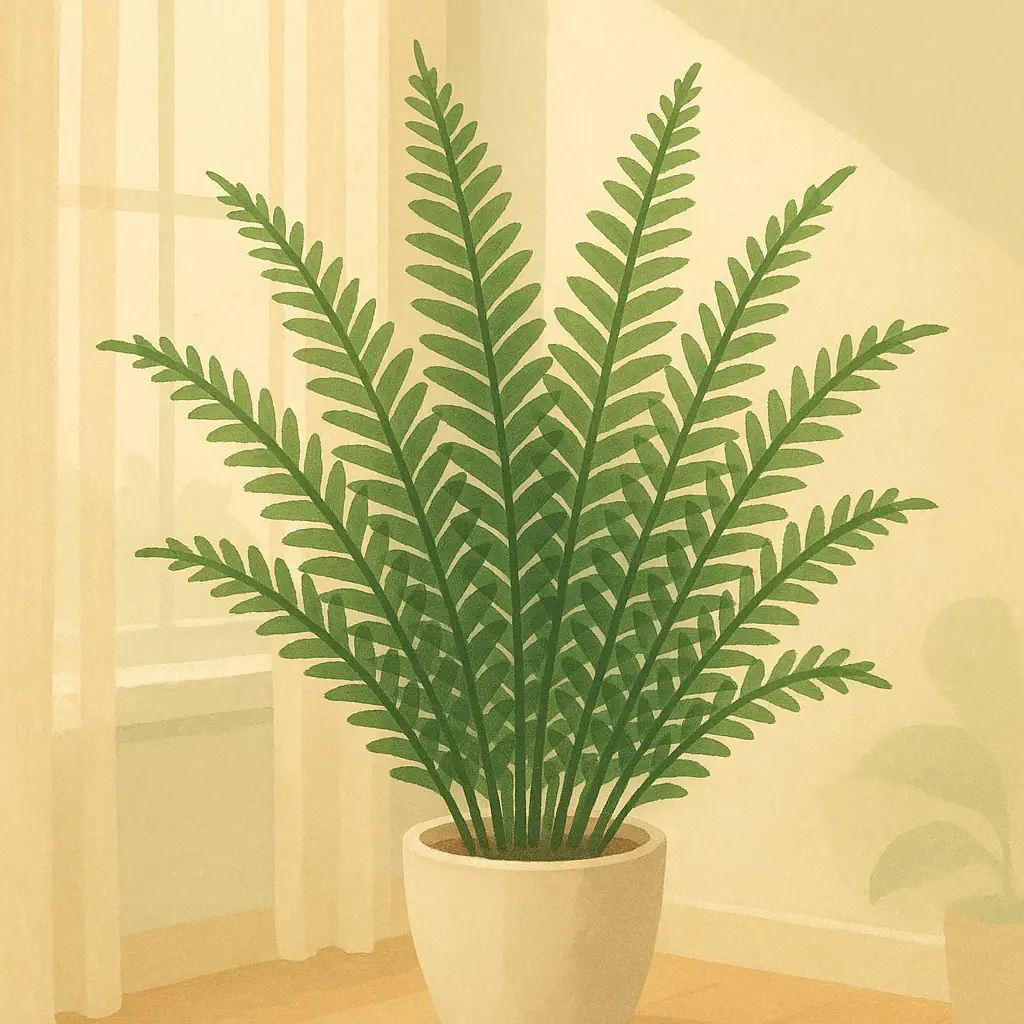
Kimberly queen fern indoor care is a good fit for plant lovers who want the soft look of a fern without quite as much fuss. This fern grows with upright, sword-like fronds that stand more neatly than many trailing ferns, so it can bring green height to a corner, plant stand, or bright room.
It is still a fern, though. It appreciates steady moisture, gentle humidity, and bright indirect light. The good news is that its care can be simple when you build a calm routine instead of guessing from day to day.
Think of a Kimberly queen fern as a tidy houseguest. It does not need constant attention, but it does appreciate the right room, a drink before it gets too dry, and protection from harsh sun or dry air. Once those basics are in place, this fern can feel much less intimidating.
Why Kimberly Queen Fern Indoor Care Matters
Kimberly queen fern indoor care matters because this plant often gets compared to Boston fern, but it does not behave exactly the same in a room. Its fronds are more upright and structured, which makes it easier to place in tighter spaces. It can look polished on the floor beside a chair, near a bright window with filtered light, or as a single statement plant in a calm corner.
A helpful Ask Extension response on watering an indoor Kimberley queen fern notes that the plant needs consistent humidity and moisture, but also good drainage so it is not waterlogged. That balance is the heart of good care: moist, not swampy; bright, not scorched; steady, not overmanaged.
What Makes Kimberly Queen Fern Different
Kimberly queen fern is often chosen because it has a cleaner, more upright shape than some classic hanging ferns. Instead of spilling in every direction, the fronds tend to rise and arch, giving the plant a graceful fountain shape. This makes it useful for indoor gardeners who want fern texture without a wide, floppy footprint.
If you have grown a Boston fern before, you may notice the difference in habit right away. FernLog's guide to Boston Fern Care: The Perfect Indoor Fern for Starters is a helpful companion if you want to compare the softer, fuller Boston look with the more upright Kimberly queen style.
Best indoor spots
Choose a bright room where the fern can see natural light without sitting in strong direct sun. Near an east-facing window, several feet back from a brighter window, or behind a sheer curtain can work well. Avoid placing the pot where hot air, cold drafts, or a busy walkway will brush the fronds all day.
What the plant tells you
Healthy fronds should look firm, green, and lifted. A few older fronds aging at the base is normal. Many crispy tips, pale fronds, or drooping sections usually mean the room conditions or watering rhythm need a calmer look.
Light for Kimberly Queen Fern Indoors
Light is the first care habit to settle. Kimberly queen fern likes bright indirect light indoors. Too little light can make growth thin and weak. Too much harsh sun can dry or scorch fronds, especially through hot glass in the afternoon.
Instead of moving the plant around every few days, choose a sensible spot and watch it for a couple of weeks. If fronds lean hard toward the window, the light may be too weak or one-sided. If the window-facing side turns pale, crispy, or tired, the sun may be too strong.
- Good light: Bright room light with no long blast of direct afternoon sun.
- Too much light: Crispy edges, faded color, or fronds drying fastest on the window side.
- Too little light: Thin growth, stretching, or a plant that seems to pause for weeks.
- Simple fix: Adjust distance from the window before changing everything else.
Watering and Humidity Without Overdoing It
Watering is where many fern owners get nervous. Kimberly queen fern likes moisture, but the roots still need air. If the potting mix stays wet all the time, the plant can decline even though you are trying to help.
Use your finger as the first tool. When the top inch or two feels dry, water deeply until water runs from the drainage holes. Let the pot drain fully, then empty the saucer. If the pot still feels heavy and the top is damp, wait and check again later.
Humidity helps too, especially in winter when indoor heat dries the air. A pebble tray near the plant, grouping houseplants together, or moving the fern away from vents can make the room kinder without turning care into a complicated project.
Comparing Kimberly Queen Fern to Other Indoor Ferns
Kimberly queen fern can be a strong choice if you like a fern that looks upright and architectural. It is not automatically easier in every home, but it often feels less messy than a fern with long, trailing fronds. That makes it useful for a living room, entry corner, plant shelf, or office-like space where you want shape as well as softness.
Another upright-looking option is holly fern, which has a different texture and a sturdier leaf shape. If you are comparing firm-looking ferns for indoor display, see FernLog's guide to Holly Fern: The Evergreen Beauty for Indoor Gardens. Reading both can help you choose the plant that matches your room and care style.
The main decision is not which fern sounds most impressive. It is which fern fits your light, watering habits, and available space. A beautiful fern in the wrong room becomes a chore. A suitable fern in a steady spot becomes part of the home.
Step-by-Step Kimberly Queen Fern Indoor Care
Use this simple routine when you bring the plant home or when you want to reset care without overthinking it.
- Pick one bright indirect spot: Keep it away from harsh afternoon sun, heat vents, cold drafts, and doors that open often.
- Check drainage: Use a pot with drainage holes and a saucer you can empty after watering.
- Feel before watering: Water when the top inch or two begins to dry, not just because the calendar says so.
- Keep humidity steady: Use a pebble tray, plant grouping, or a more humid room if the air is very dry.
- Turn the pot gently: Rotate a quarter turn every week or two so growth stays balanced.
- Prune only what is truly finished: Remove brown or dead fronds near the base with clean scissors.
- Watch one change at a time: If you adjust light, wait before changing watering, feeding, or the pot.
Pros and Cons of Kimberly Queen Fern Indoors
Upright shape
The fronds create height and structure, which makes the plant easier to place than a very wide trailing fern.
Calm visual texture
It gives a room the soft green feeling of a fern while still looking tidy and intentional.
Simple care rhythm
Once light, drainage, and watering are steady, the routine becomes mostly observation and small adjustments.
Still dislikes dry air
Like many ferns, it can develop crispy tips if indoor heat or air movement dries the room too much.
Needs drainage discipline
Moist soil helps, but standing water in the saucer can turn good intentions into root stress.
A Simple Weekly Checklist
A short checklist keeps Kimberly queen fern indoor care steady without making it feel like work.
- Soil: Is the top inch or two starting to dry before you water?
- Saucer: Is the plant sitting in leftover water?
- Light: Are fronds protected from harsh afternoon sun?
- Air: Is a vent, heater, fan, or draft blowing across the plant?
- Humidity: Are tips getting crispy during dry indoor weeks?
- Shape: Would a small pot rotation help the plant grow evenly?
- Fronds: Are you pruning only brown or dead fronds, not every imperfect one?
If color changes or browning begin to confuse the picture, FernLog's guide to Autumn Fern Indoors: Color, Texture, and Care can also help you think about fern color, texture, and indoor placement in a broader way. Different fern types have different habits, but the observation skill carries over.
When to Get Extra Help
Ask for extra help if the fern declines quickly, the soil smells sour, stems near the base feel mushy, or pests spread across several houseplants. A local nursery, cooperative extension resource, or experienced plant friend can help you separate watering stress from pests, poor drainage, or a room that is simply too dry.
Bring details if you ask someone: how often you water, where the plant sits, whether the pot drains, and what changed recently. A clear history often solves the problem faster than one close-up photo of a single brown tip.
Frequently Asked Questions
Is Kimberly queen fern easier than Boston fern indoors?
It can feel easier to place because the fronds grow more upright, but it still needs steady moisture, drainage, humidity, and bright indirect light.
How often should I water a Kimberly queen fern?
Water when the top inch or two of soil begins to dry. The exact timing changes with light, room heat, pot size, and season.
Can Kimberly queen fern handle direct sun?
Indoors, bright indirect light is safer. Strong direct sun through glass can dry or scorch fronds, especially in hot afternoon windows.
Why are the tips turning brown?
Brown tips often point to dry air, uneven watering, too much direct sun, or stress from changes. Check the room and soil before adding more water.
Final Thoughts
Kimberly queen fern indoor care is mostly about giving the plant a steady home. Bright indirect light, moist but well-drained soil, gentle humidity, and a little patience will solve more problems than constant tinkering.
Your next step is simple: choose the fern's spot, check the drainage, and use your finger before watering. Once the routine feels calm, this upright fern can become one of the easiest ways to bring a fresh green shape into your indoor garden.