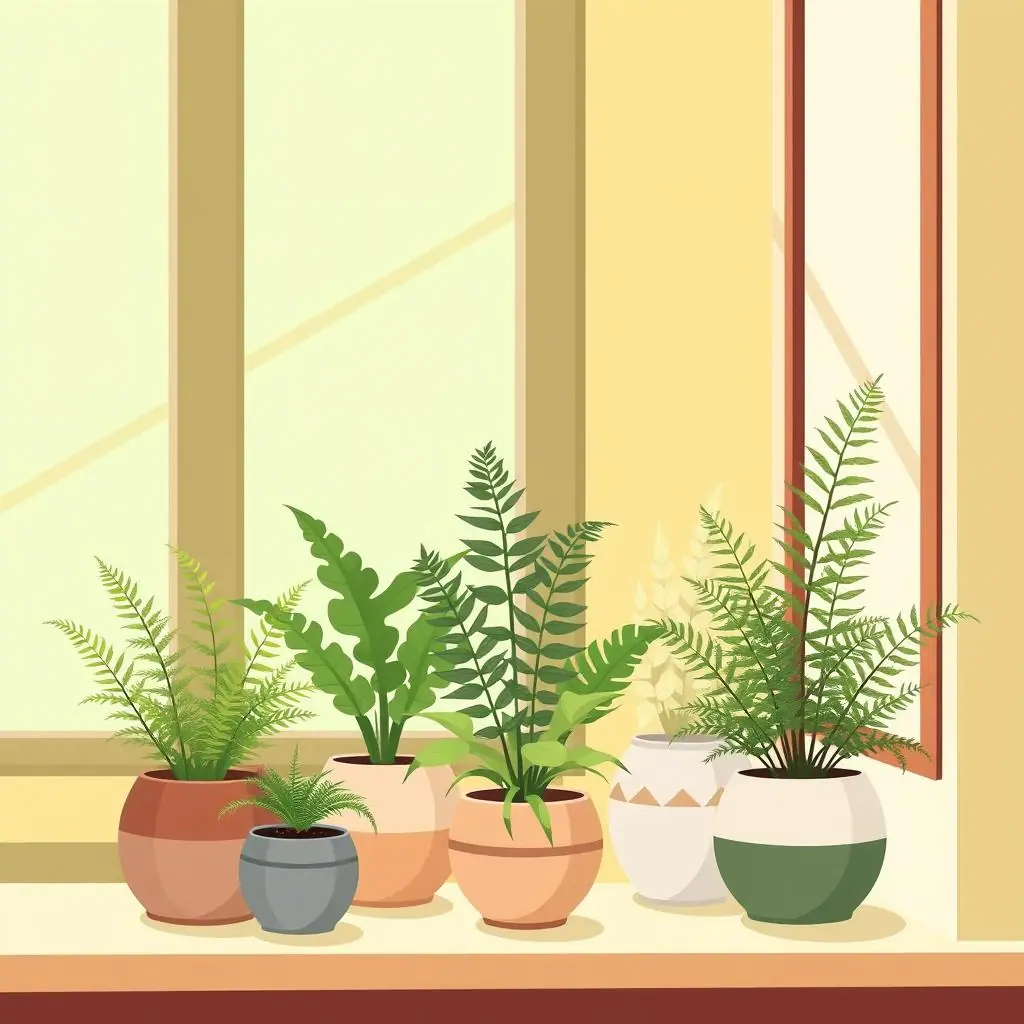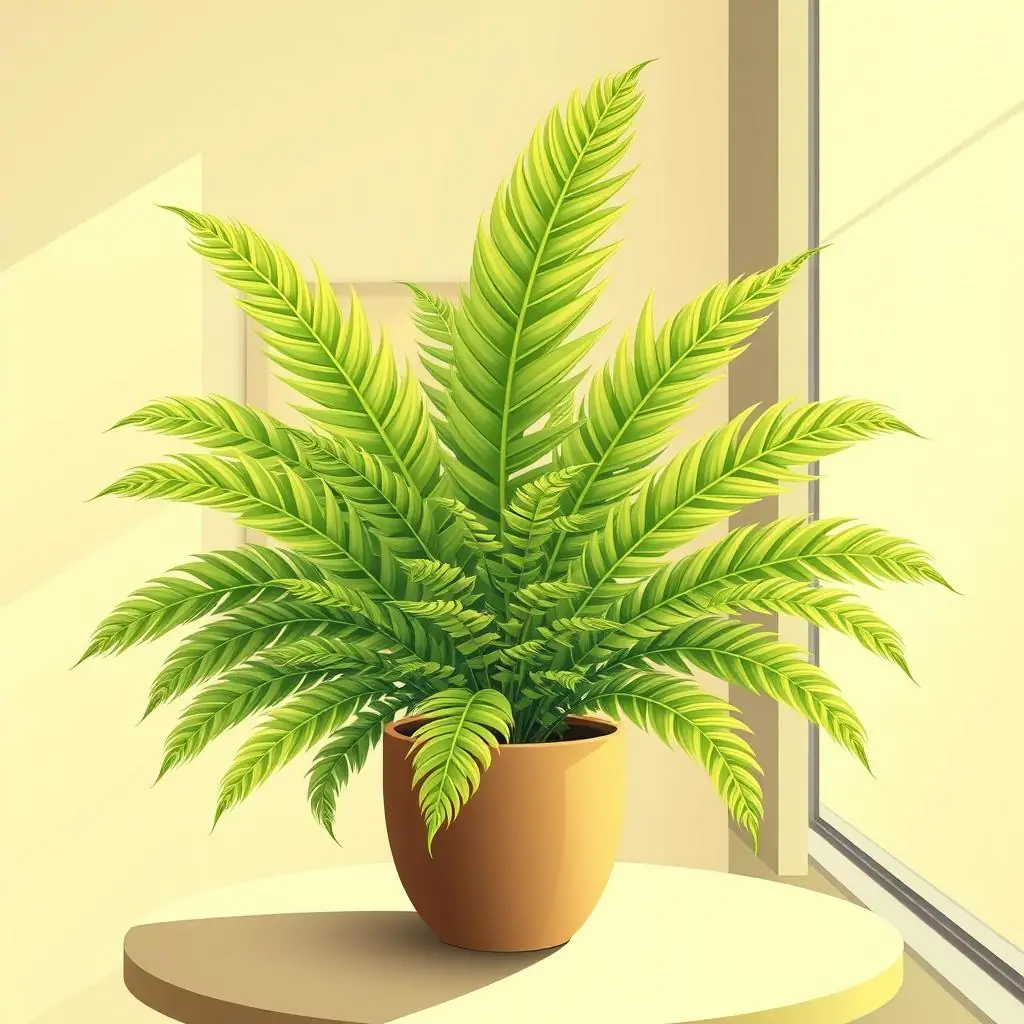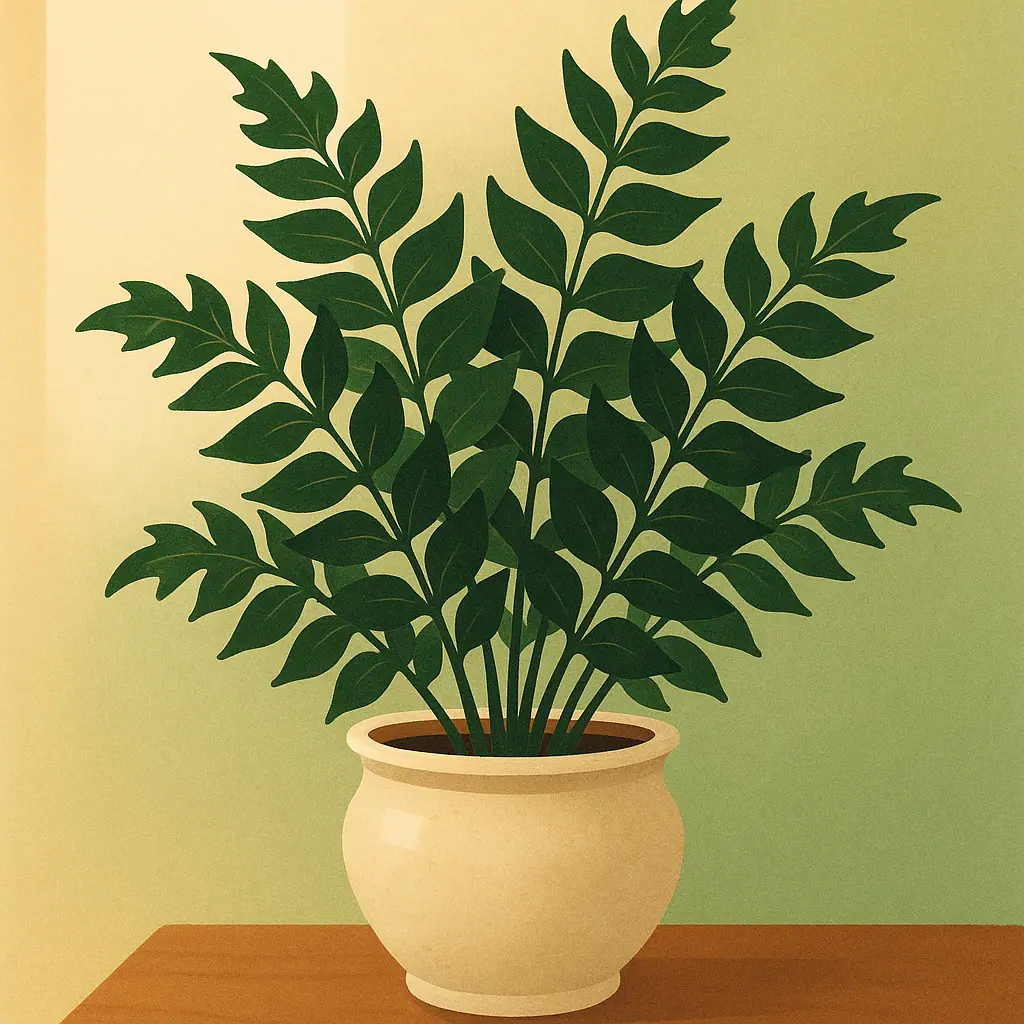
Holly ferns bring a touch of woodland elegance to your indoor garden without the fuss that makes other ferns notorious. Their glossy, dark green fronds resemble holly leaves, staying vibrant and lush throughout the year when most houseplants are taking a seasonal rest.
If you've struggled with finicky ferns in the past, the holly fern offers a refreshing change. This adaptable beauty tolerates lower light and less frequent watering than its tropical cousins, making it an ideal choice for anyone seeking a low-maintenance green companion.
What is a Holly Fern
The holly fern (Cyrtomium falcatum) earns its name from leathery fronds that mimic the shape and texture of holly leaves. Unlike most ferns that wilt at the first sign of neglect, this evergreen variety maintains its structure and color even when conditions aren't perfect.
Native to eastern Asia, holly ferns grow naturally in shaded forest floors where they've adapted to survive periods of drought and lower light. This evolutionary resilience translates beautifully to indoor growing, where they forgive the occasional missed watering and thrive in rooms that would leave other ferns struggling.
Why Choose Holly Fern for Your Home
This fern's architectural quality makes it stand out in any room. The glossy fronds catch and reflect light, creating visual interest without overwhelming a space. It works equally well as a floor plant in a large pot or as a smaller accent on a plant stand.
Holly ferns also excel at air purification, quietly filtering indoor pollutants while requiring minimal attention. Their slow to moderate growth rate means you won't need to constantly repot or prune, making them perfect for busy households.
Basic Care Requirements
Holly ferns thrive in bright indirect light but adapt surprisingly well to lower light conditions. Place yours near an east or north-facing window, or even in a room with only fluorescent lighting — they'll manage better than most ferns.
Water when the top inch of soil feels dry to the touch. These ferns prefer consistent moisture but won't punish you for letting the soil dry out occasionally. In winter, reduce watering frequency as the plant's growth naturally slows.
Room temperature between 60-75°F (15-24°C) suits holly ferns perfectly. They tolerate cooler conditions better than tropical ferns, making them ideal for rooms that get chilly at night or during winter months.
Practical Growing Tips
- Soil preference: Use well-draining potting mix with added perlite or orchid bark for better aeration.
- Humidity needs: Average household humidity (40-50%) works fine — no daily misting required.
- Fertilizing schedule: Feed monthly during spring and summer with half-strength balanced fertilizer.
- Repotting timing: Every 2-3 years or when roots visibly fill the pot.
Pros and Cons of Holly Ferns
Pros
- Tolerates low light better than most ferns
- Forgives occasional watering mistakes
- Stays evergreen year-round
- Pest-resistant with tough fronds
Cons
- Slower growth than tropical varieties
- Less dramatic cascading effect
- Can become leggy in very low light
Common Questions About Holly Ferns
How often should I water my holly fern?
Check the soil weekly. Water when the top inch feels dry, usually every 7-10 days in spring and summer, less frequently in winter. Adjust based on your home's temperature and humidity.
Can holly ferns handle low light corners?
Yes, they adapt to lower light better than most ferns, though growth will slow and fronds may become slightly less glossy. They still outperform many other houseplants in dim conditions.
Why are the frond tips turning brown?
Brown tips usually indicate low humidity or inconsistent watering. While holly ferns tolerate dry air, they still appreciate occasional misting. Trim brown tips with clean scissors to maintain appearance.
Is holly fern safe for pets?
Holly ferns are non-toxic to cats and dogs, making them a safe choice for pet-friendly households. The tough fronds also resist curious nibbling better than delicate fern varieties.
Final Thoughts
Holly ferns prove that elegant doesn't have to mean high-maintenance. Their resilient nature and year-round beauty make them ideal for anyone wanting the lush look of ferns without the constant attention many varieties demand.
Whether you're a beginner looking for a forgiving first fern or an experienced plant parent seeking a reliable addition to your collection, the holly fern delivers consistent performance with minimal fuss. Its adaptability to less-than-perfect conditions makes it a true indoor garden workhorse.