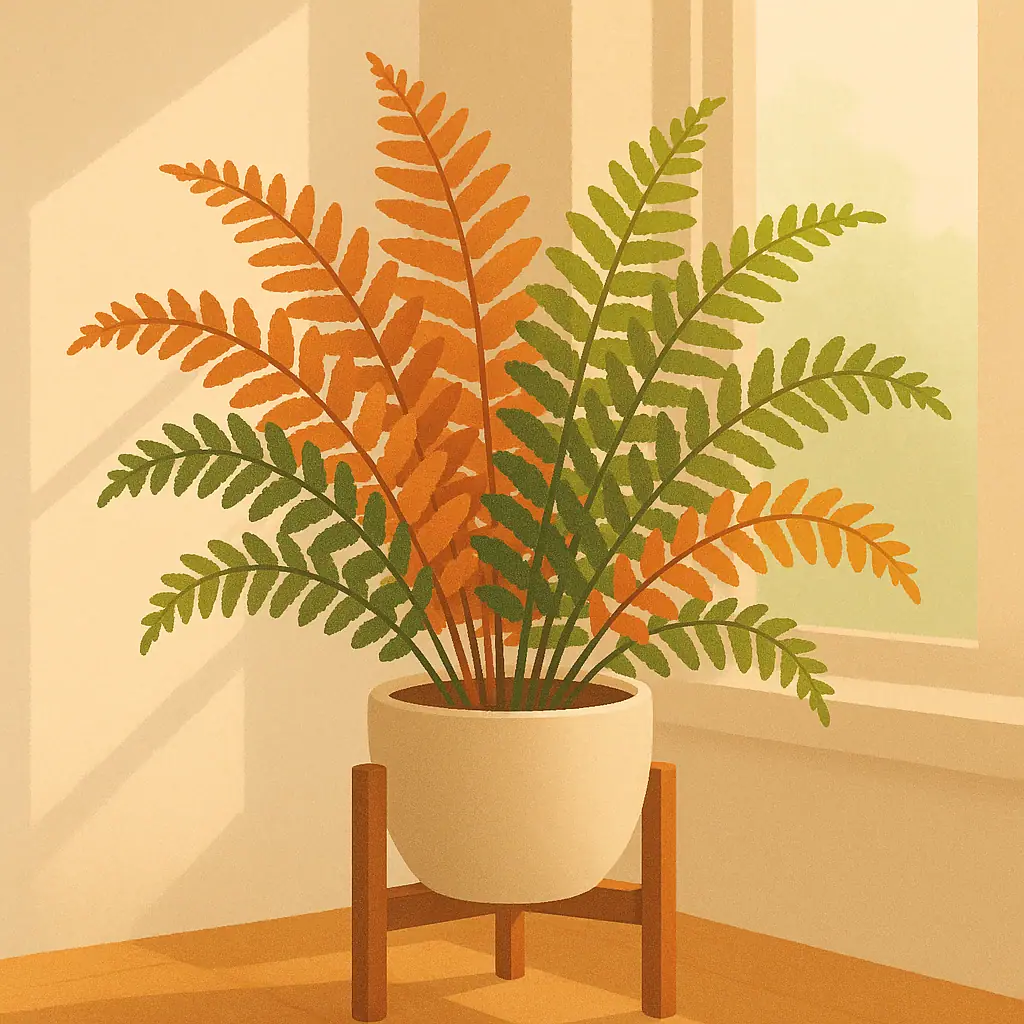
Autumn fern indoor care starts with noticing what makes this fern special: soft, layered fronds and warm coppery new growth that slowly matures into green. Indoors, that color can make a shelf, plant stand, or quiet corner feel more alive without needing flowers or bright decoration.
The main care idea is simple. Give the plant gentle light, evenly moist soil, and a steady place where its fronds are not bumped every day. Autumn fern is often grown outdoors in shade gardens, but it can be enjoyed indoors when you treat it like a calm woodland plant rather than a tough desert plant.
Why This Matters
Many people bring home an autumn fern because the new fronds look bronze, pink, or copper. Then they worry when those fronds turn greener. In most cases, that color change is part of the plant's normal rhythm, not a sign that something has gone wrong.
The North Carolina Extension Gardener Plant Toolbox profile for Dryopteris erythrosora identifies autumn fern as a shade-loving fern and lists moist, well-drained conditions among its cultural needs. That gives indoor growers a useful starting point: protect it from hot sun, avoid soggy roots, and keep the routine steady.
Start With the Fern Species Guide Basics
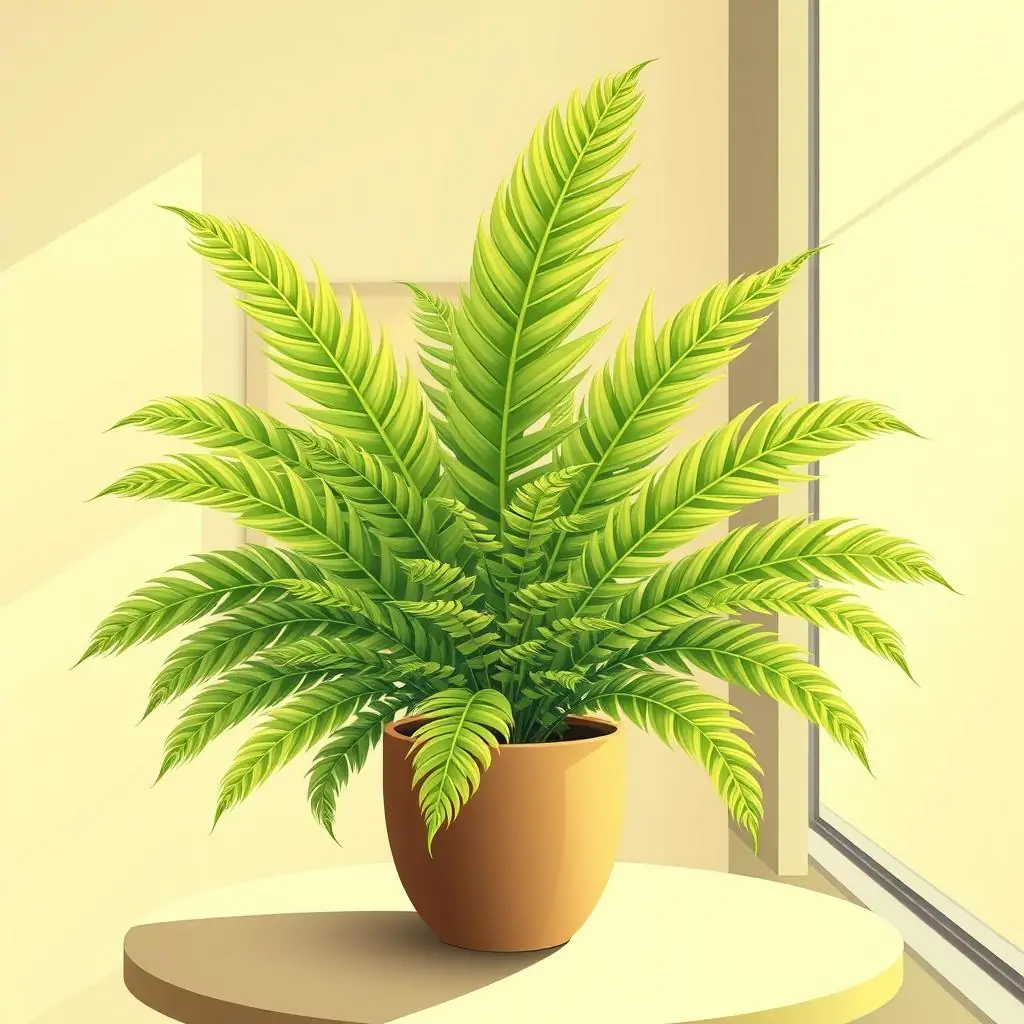
Autumn fern, also called Japanese shield fern, has a more upright, structured look than some softer basket ferns. Its fronds can feel slightly leathery, and the plant often looks tidy in a simple pot. That makes it a good candidate for a table, plant stand, or bright corner where you want texture without a trailing habit.
If you are comparing it with classic beginner ferns, the FernLog guide to Boston fern care shows a different style: softer, fuller, and more arching. Autumn fern feels more woodland and sculptural, so it suits rooms where you want a quieter plant shape.
What makes autumn fern different
- Colorful new growth: Young fronds may appear copper, bronze, rose, or warm orange before aging to green.
- Neat texture: The fronds have enough structure to look orderly in a pot.
- Shade preference: It usually appreciates filtered light rather than harsh direct sun.
- Woodland personality: It looks natural with wood, clay, woven baskets, and other soft home textures.
What to Check First for Autumn Fern Indoors
Before changing care, look at the plant and the room together. Autumn fern usually tells you more through texture and posture than through dramatic wilting. Crisp edges, dull color, or fronds leaning strongly toward a window can all point to a small adjustment.
Start with light. A spot near an east-facing window, a bright north-facing window, or a few feet back from stronger light is often easier than a hot windowsill. If you are choosing between rooms, the article on ferns for a north-facing window can help you think through soft light without making the plant sit in darkness.
A two-minute first check
- Light: Is the plant bright enough to see clearly during the day, but protected from hot direct sun?
- Soil: Does the top feel lightly moist, not muddy and not bone dry?
- Pot: Does the container drain well, with no standing water in the saucer?
- Air: Is the fern away from vents, heaters, fireplaces, and frequently opened doors?
- Fronds: Are the newest fronds soft and colorful while older fronds stay mostly firm?
How to Handle Autumn Fern Indoors Step by Step
Good autumn fern care is not complicated, but it does reward consistency. Make one change at a time and give the plant a little time to respond.
- Choose bright, indirect light. Place the fern where it gets gentle daylight but not the hot afternoon sun that can dry or scorch fronds.
- Water before the root ball fully dries. Check with your finger. When the top layer begins to feel just slightly dry, water thoroughly and let extra water drain away.
- Keep the pot breathable. A container with drainage holes is more important than a decorative cachepot. If you use an outer pot, empty it after watering.
- Turn the plant occasionally. A quarter turn every week or two helps the plant grow evenly toward the light.
- Trim only what is clearly tired. Remove fully brown or damaged fronds near the base, but leave healthy green and copper fronds alone.
- Review the spot after two weeks. If the plant looks crisp, dim, or stretched, adjust light or watering gradually.
Common Fern Species Guide Mistakes to Avoid
The first mistake is treating the copper color like a problem. New fronds naturally change as they mature. If the plant is otherwise firm and producing growth, the color shift is usually part of its charm.
The second mistake is using a dark corner just because autumn fern likes shade outdoors. Indoor shade is often much darker than garden shade. A room corner that looks pleasant to your eyes may still be too dim for steady fern growth.
Another common mistake is watering a little bit every day. That can keep the surface damp while the root area becomes uneven. It is usually better to water thoroughly when needed, then let the pot drain well.
Warning signs to take seriously
- Fronds crisp along the edges: Check for dry soil, hot sun, or dry air from a vent.
- Soil smells sour: The pot may be staying too wet or draining poorly.
- New growth is pale and weak: The plant may need brighter indirect light.
- Lower fronds yellow one at a time: A little aging is normal, but widespread yellowing needs a care review.
A Simple Checklist
Use this checklist when you are deciding whether your autumn fern is comfortable indoors. It keeps the care routine calm and repeatable.
- Does the fern receive bright indirect light? If not, move it closer to a gentle window.
- Does the pot drain freely? If not, repot into a container with drainage holes.
- Is the soil lightly moist before watering? If not, wait or water according to what the soil tells you.
- Are new fronds colorful but firm? That is usually a good sign.
- Is the plant away from vents? If not, move it before crisping begins.
Pros and Cons of Autumn Fern Indoors
Beautiful new frond color
The warm coppery growth gives the plant seasonal feeling without depending on a holiday or flower display.
Neat, textured shape
Autumn fern can look tidy on a stand or shelf, especially in rooms with natural materials and soft light.
Good for calm plant displays
It pairs well with other understated ferns and foliage plants without making the room feel crowded.
Needs steady moisture
It does not enjoy being forgotten until the root ball is completely dry.
Can struggle in very dark rooms
Outdoor shade tolerance does not mean it will thrive far from all indoor light.
Styling Autumn Fern With Other Indoor Ferns
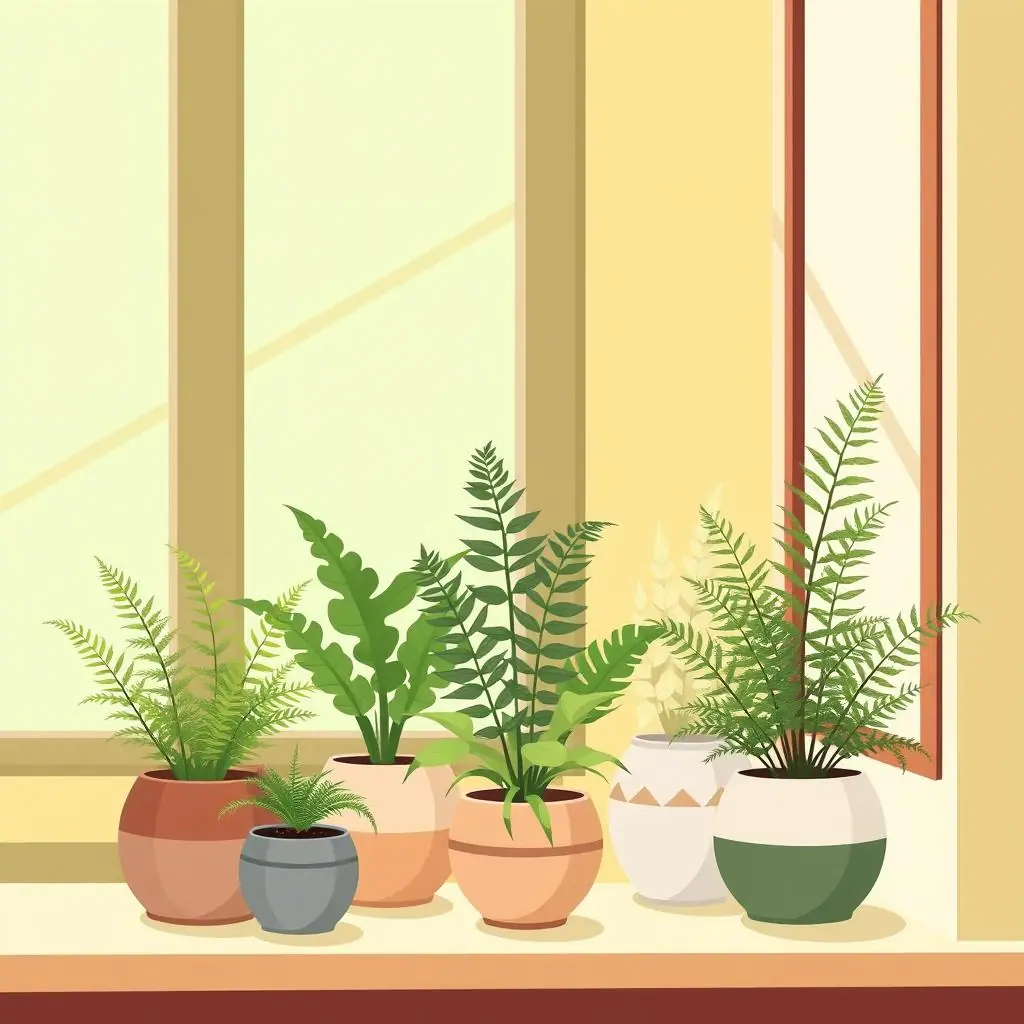
Autumn fern looks especially good when you let its color contrast with greener fronds nearby. A single autumn fern beside a deeper green fern can make the new growth stand out without needing a busy arrangement.
For a similar evergreen feeling, compare it with the FernLog guide to holly fern indoors. Holly fern has a glossy, sturdy look, while autumn fern brings softer copper tones and a more delicate woodland mood.
Simple display ideas
- Use a plain pot: Let the frond color be the main detail.
- Choose a stable stand: Raise the plant slightly so the fronds can arch naturally.
- Keep companions simple: Pair with one green fern rather than a crowded mix.
- Leave room around the fronds: Autumn fern looks best when its layered shape is visible.
When to Get Extra Help
If your autumn fern declines quickly, avoid changing everything at once. Check the soil, drainage, light, and air movement first. Then adjust one factor and watch the plant for a week.
If you suspect pests, root rot, or a serious decline, use a trusted horticulture source or local extension service for guidance. Photos and a clear description of the pot, light, and watering routine will make that help more useful.
Frequently Asked Questions
What should I check first for autumn fern indoor care?
Check light and soil moisture first. The plant should be in bright indirect light, with soil that stays lightly moist but not soggy.
How often should I review my autumn fern?
A weekly check is enough for most homes. Look at the soil, frond tips, new growth, and whether the plant is leaning toward the light.
What should I do if the copper color turns green?
Do not worry right away. Autumn fern fronds often emerge with warm color and become greener as they mature.
Can I move an autumn fern later?
Yes, but move it gradually when possible. After a move, watch for crisp tips, drooping, or soil that dries much faster or slower than before.
Final Thoughts
Autumn fern indoors is all about quiet observation. Give it soft light, steady moisture, good drainage, and enough space for the fronds to show their color and texture. Then watch the plant rather than forcing constant changes.
Start with one simple weekly check. If the newest fronds are firm, the soil is draining well, and the plant looks settled, your autumn fern is giving you the best sign it can: steady, peaceful growth.