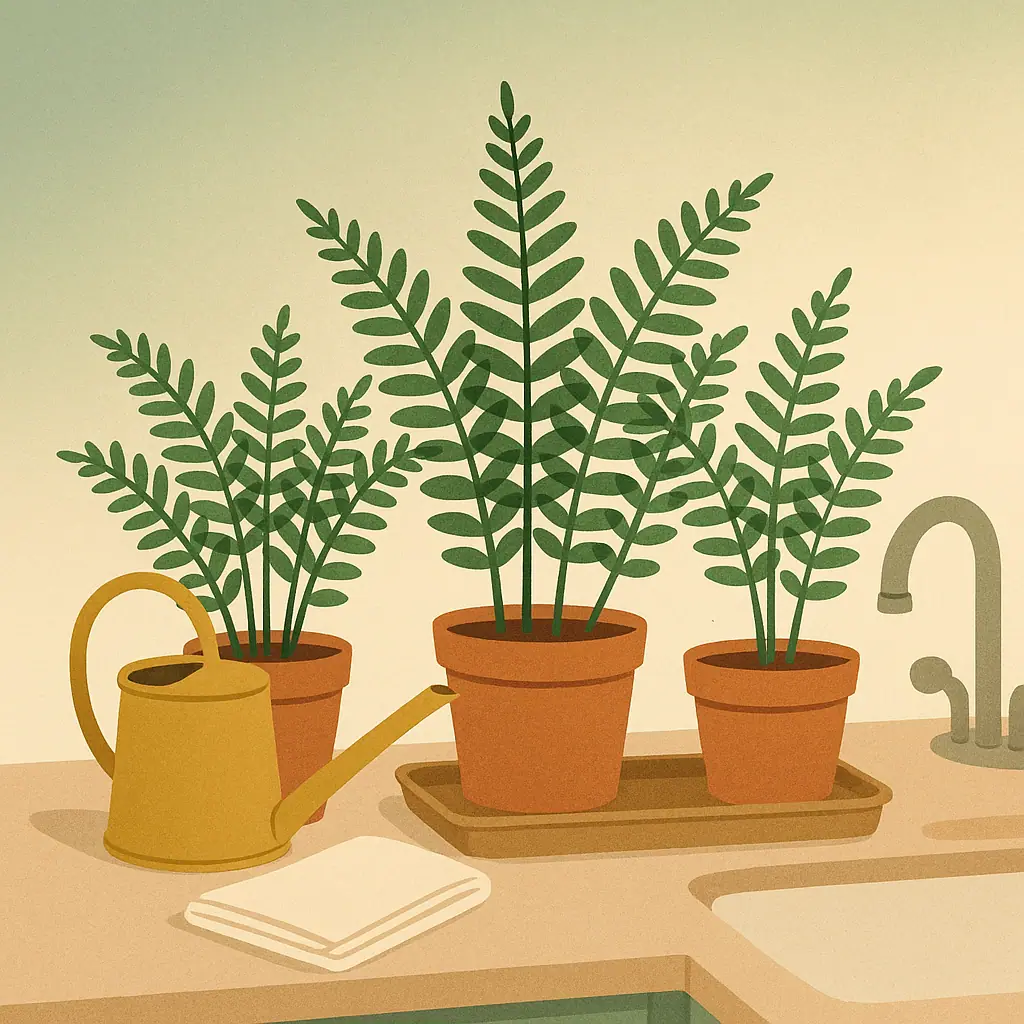
Ferns near humidifier setups can be wonderfully helpful, especially in a dry room. Ferns often appreciate steadier air moisture, but a humidifier works best when it softens the air around the plant rather than blowing mist directly onto the fronds.
The goal is not to create a little cloud around the fern. The goal is a calm, slightly more comfortable corner where the plant can breathe, dry normally, and keep its soil from staying wet for too long.
Think of a humidifier like a gentle room helper, not a shower for your fern. When it is placed well, the whole plant area feels more balanced. When it is too close, leaves may stay damp, the potting mix may turn musty, and one side of the plant may get far more moisture than the other.
Why Humidifier Placement Matters for Ferns
Humidifier placement matters because ferns usually enjoy humidity, but they still need air movement, drainage, and leaves that can dry between moist periods. A constant stream of visible mist can make the plant look pampered at first, while quietly encouraging wet fronds or soggy soil.
The University of Illinois Extension houseplant care guide notes that many homes have low humidity in winter and that humidity can be increased with a humidifier, grouping plants, or pebble trays. It also warns that too much misting can increase disease issues for some plants. That is the useful balance for fern owners: raise room humidity without keeping the plant wet.
Start With Basic Fern Care
Basic fern care still comes first. A humidifier cannot fix a pot with no drainage, harsh direct sun, or soil that stays wet for days. Before moving equipment around, check whether the fern has bright indirect light, a container with drainage, and a watering routine based on the soil rather than the calendar.
If you are sorting out the bigger routine, FernLog's guide to fern care mistakes to avoid is a helpful companion. Humidifier placement is only one piece of the larger care picture.
Use the humidifier to change the room, not soak the plant
A good humidifier spot raises the comfort of the surrounding air. It should not leave droplets on the fronds, make the potting mix glossy and damp, or create a wet patch on nearby furniture.
Watch the plant after you move it
Give the new arrangement a few days before judging it. Ferns respond through small signals: softer frond tips, less crisping, heavier soil, pale new growth, or a musty smell around the pot.
Where to Place Ferns Near a Humidifier
A practical starting point is to place the fern close enough to share the improved air, but off to the side of the mist stream. In many rooms, that means the fern sits several feet away, or beside the humidifier rather than directly in front of it. The exact distance depends on the machine, room size, airflow, and how quickly surfaces feel damp.
Use your hand as a simple test. Stand where the fern leaves will be and run the humidifier for a few minutes. If your hand feels a direct cool blast or starts to feel damp, the fern is probably too close to the output.
- Beside the mist path: Place the fern near the humidifier, but not in the direct plume.
- Above puddle risk: Keep cords, furniture, and floors dry around the setup.
- Away from vents: Do not let a heating vent or air conditioner push mist directly across the fern.
- With light still right: Do not move the fern into a dark corner just to be nearer the humidifier.
- Easy to inspect: Keep the pot where you can check leaves, soil, and saucers without strain.
During seasonal changes, humidity needs can shift. The article on seasonal fern care for summer and winter explains why a setup that helps in dry winter may need adjusting when the room naturally becomes more humid.
How to Set Up Ferns Near a Humidifier Step by Step
Use a slow, practical setup. You are trying to make the room kinder to the fern, not create a perfect greenhouse.
- Choose the fern group: Put humidity-loving ferns together if their light needs match. Grouping can help create a steadier little plant area.
- Set the humidifier on a stable surface: Follow the manufacturer's safety instructions, keep it level, and protect furniture from moisture.
- Aim mist into open air: Point the output toward the room, not directly at the fern, wall, window, curtain, or shelf.
- Check the leaf surface: After 20 to 30 minutes, leaves should not feel wet or show water beads.
- Check the soil the next day: If the pot stays heavy and damp much longer than usual, move the fern farther away or shorten run time.
- Rotate the pot weekly: This keeps one side from receiving all the moisture and helps growth stay even.
- Clean the humidifier regularly: A dirty tank is not a plant-care shortcut. Keep the machine clean according to its manual.
Common Humidifier Mistakes to Avoid
The first mistake is placing the fern directly in the mist because it looks cozy. Constant dampness on fronds can invite trouble, especially if the room has still air or cool windows nearby.
The second mistake is forgetting the soil. A humidifier raises air moisture, but it does not replace watering checks. Some pots dry more slowly when the surrounding air is more humid, so the old watering rhythm may become too frequent.
The third mistake is moving the fern into poor light just to keep it near the machine. A fern in the wrong light can still struggle, even if the humidity is better.
- Do not let leaves drip: Move the fern or redirect the output if leaves stay wet.
- Do not ignore musty smells: A sour or moldy smell means the area needs attention.
- Do not run the humidifier blindly: Start with shorter periods and observe the fern and room.
- Do not crowd plants tightly: Leave enough space for air to move between pots.
If your fern will be unattended for a short time, review fern care for people who travel for a few days before relying on a humidifier alone. Short absences are easier when watering, drainage, light, and humidity all work together.
Pros and Cons of Keeping Ferns Near a Humidifier
Helps dry indoor air feel gentler
A well-placed humidifier can make a fern corner more comfortable during dry seasons without changing the whole room dramatically.
May reduce crispy edges
When dryness is part of the problem, steadier humidity can help frond tips stay softer alongside proper watering and light.
Supports grouped plant care
A small fern group near improved room humidity can be easier to monitor than plants scattered across several dry corners.
Direct mist can keep leaves wet
If the output points at the fern, fronds may stay damp longer than they should, especially in a cool or still room.
Soil may dry more slowly
Better air moisture can change the watering rhythm, so the pot may need less frequent watering than before.
A Simple Placement Checklist
Use this checklist after the humidifier has run for a short while.
- Leaves dry to the touch: The fern benefits from moist air, not wet foliage.
- Soil still behaves normally: The pot should not stay heavy for many days longer than usual.
- No wet surfaces: Nearby walls, windows, shelves, and floors should remain dry.
- Light is still suitable: The fern did not lose its bright indirect light just to be closer to the machine.
- Air can move: Plants are grouped, but not packed leaf-to-leaf.
- Machine is easy to clean: You can refill and clean it without bumping plants or ignoring the tank.
When to Get Extra Help
Ask for extra help if the fern continues to brown, smell sour, grow mold on the soil surface, or wilt even after you adjust mist direction, light, watering, and drainage. A local nursery or cooperative extension office can help you sort out whether the problem is humidity, roots, pests, or placement.
Clear notes make that conversation easier. Write down where the fern sits, how long the humidifier runs, whether leaves get wet, and how often the pot needs water. For a calm observation habit, FernLog's guide to reading your fern like a daily weather report can help you notice changes without overreacting.
Frequently Asked Questions
How close should a fern be to a humidifier?
Close enough to share the improved room air, but not so close that leaves feel wet or the mist blows directly on the plant. Start off to the side and adjust after observing.
How often should I review the placement?
Check daily for the first few days, then include it in your normal weekly plant check. Revisit the setup when seasons, heating, or air conditioning change.
What should I do if leaves stay wet?
Move the fern farther away, turn the humidifier output toward open air, shorten the run time, and make sure the room has gentle air movement.
Can I undo the setup later?
Yes. Humidifier placement is easy to adjust. If the soil stays damp too long or the leaves look wet, move the plant or humidifier and watch the fern for a few days.
Final Thoughts
Ferns can benefit from a humidifier, but the best setup is usually indirect. Let the machine improve the room's air while the fern keeps dry leaves, steady soil moisture, and good light.
Start with a side placement, watch for wet leaves or slow-drying soil, and make one small adjustment at a time. That calm approach helps your fern enjoy more comfortable air without creating a new care problem.