Fern care while traveling is mostly about preparing gently, not setting up a complicated plant-sitting system. If you will be gone for a long weekend or a few days, most healthy indoor ferns can do well with one thoughtful check before you leave and one calm check when you return.
The goal is steady moisture, soft light, and no dramatic last-minute changes. A fern does not need extra fertilizer, a sudden repot, or a soaking saucer just because you packed a bag. It needs the same basic comfort it likes every week, arranged so it lasts a little longer while you are away.
This guide is written for short trips of about two to five days. For longer vacations, especially in a hot home or with delicate ferns like maidenhair, it is safer to ask someone to check the plants rather than hoping one setup will cover everything.
Fern Care While Traveling Starts Two Days Before You Leave
The best travel routine begins before the morning you walk out the door. Two days ahead, look at each fern's soil, fronds, and location. A plant that is already drooping, sitting in soggy soil, or pressed against a hot window needs attention before you create a travel plan.
Clemson Extension's indoor fern guidance explains that ferns differ by type, but they generally should not dry out completely and should not sit in standing water. That is the balance to remember before a trip: water enough, then drain well.
Water Thoroughly, Then Let the Pot Drain
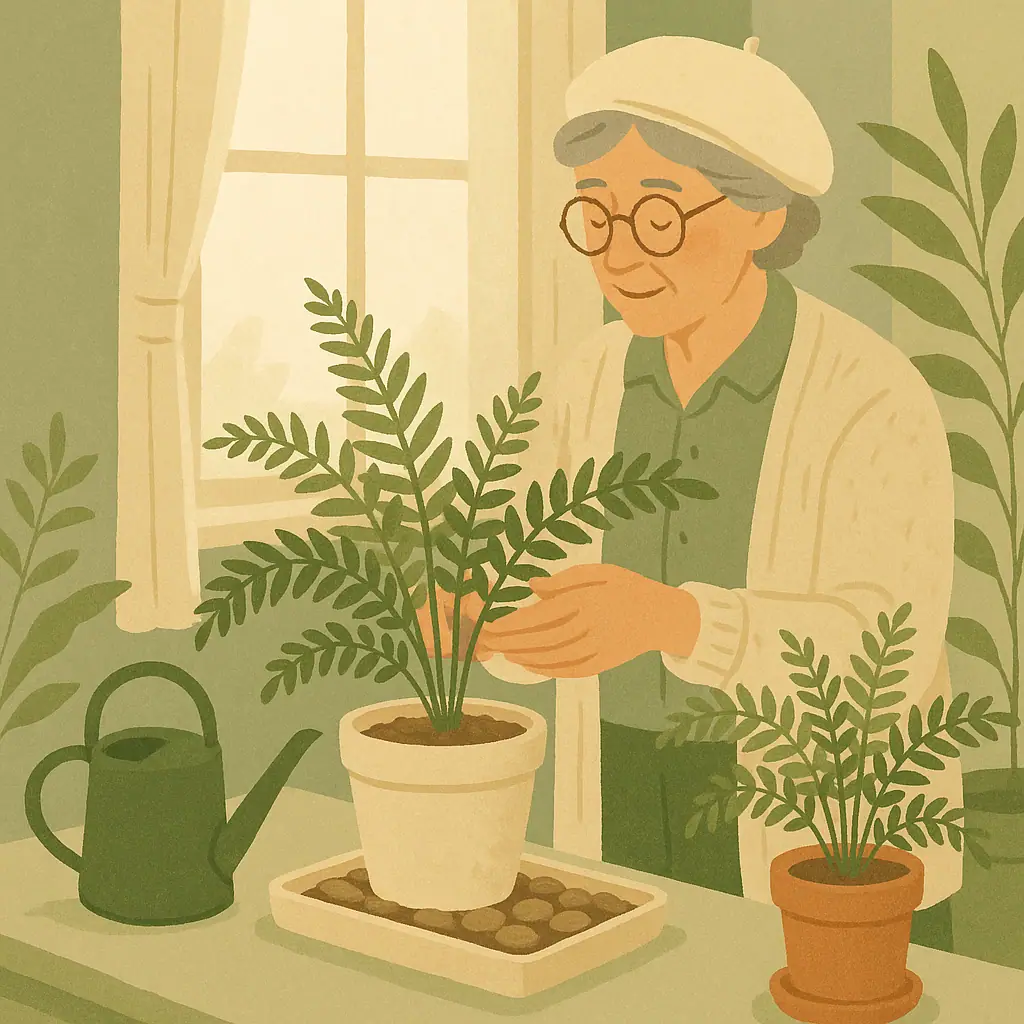
If the top layer of potting mix is beginning to feel dry and the pot feels lighter than usual, water the fern slowly until water runs from the drainage holes. Use room-temperature water and pause between pours if the mix is dry and slow to absorb moisture.
After watering, let the pot drain completely in the sink, tub, or a tray you can empty. Do not leave the fern standing in a full saucer. A few days away can turn a wet saucer into stale, oxygen-poor conditions around the roots.
If you are still learning how your fern's pot should feel, our indoor fern watering guide can help you compare dry, evenly moist, and too-wet conditions. That kind of observation is more reliable than watering on a strict calendar.
Make a small moisture check list
Before leaving, touch the soil surface, lift the pot if possible, and check the saucer. These three small checks tell you more than the date on the calendar. A light pot with dry soil needs water; a heavy pot with wet soil needs time and drainage.
Skip fertilizer before travel
Fertilizer is not travel insurance. Ferns should be fed lightly only during active growth, and extra fertilizer does not help a plant handle a short absence. If anything, it can add stress when the plant is already dealing with warmer rooms or changing moisture.
Move Ferns Away From Hot Glass and Drafts
Light matters while you are away because light affects how quickly the pot dries. A fern that sits close to a sunny window, warm glass, or an air vent may dry faster than expected. A fern in a dark corner may stay wet too long and return looking weak.
For a short trip, choose bright indirect light. Move the plant a little back from the window if afternoon sun reaches the fronds. Avoid placing it directly under heating or cooling vents, near a frequently opened exterior door, or in a room that becomes unusually hot during the day.
- Use soft light: Bright indirect light keeps the plant functioning without pushing fast water loss.
- Avoid sudden darkness: Do not hide the fern in a closet-like corner just to slow drying.
- Protect delicate fronds: Move the plant away from high-traffic spots before luggage and visitors pass through.
- Keep the room stable: Extreme heat, cold drafts, and vents are harder on ferns than a quiet few days alone.
Humidity Help Should Be Safe and Modest
Many fern owners worry about humidity when they travel. That worry makes sense, especially in heated or air-conditioned homes. But humidity support should never create a waterlogged pot or wet foliage trapped for days.
Illinois Extension notes in its houseplant care guidance that humidity can be supported with pebble trays or grouping plants, while pots should not sit directly in water. It also cautions that misting raises humidity only briefly and may increase disease issues if overdone.
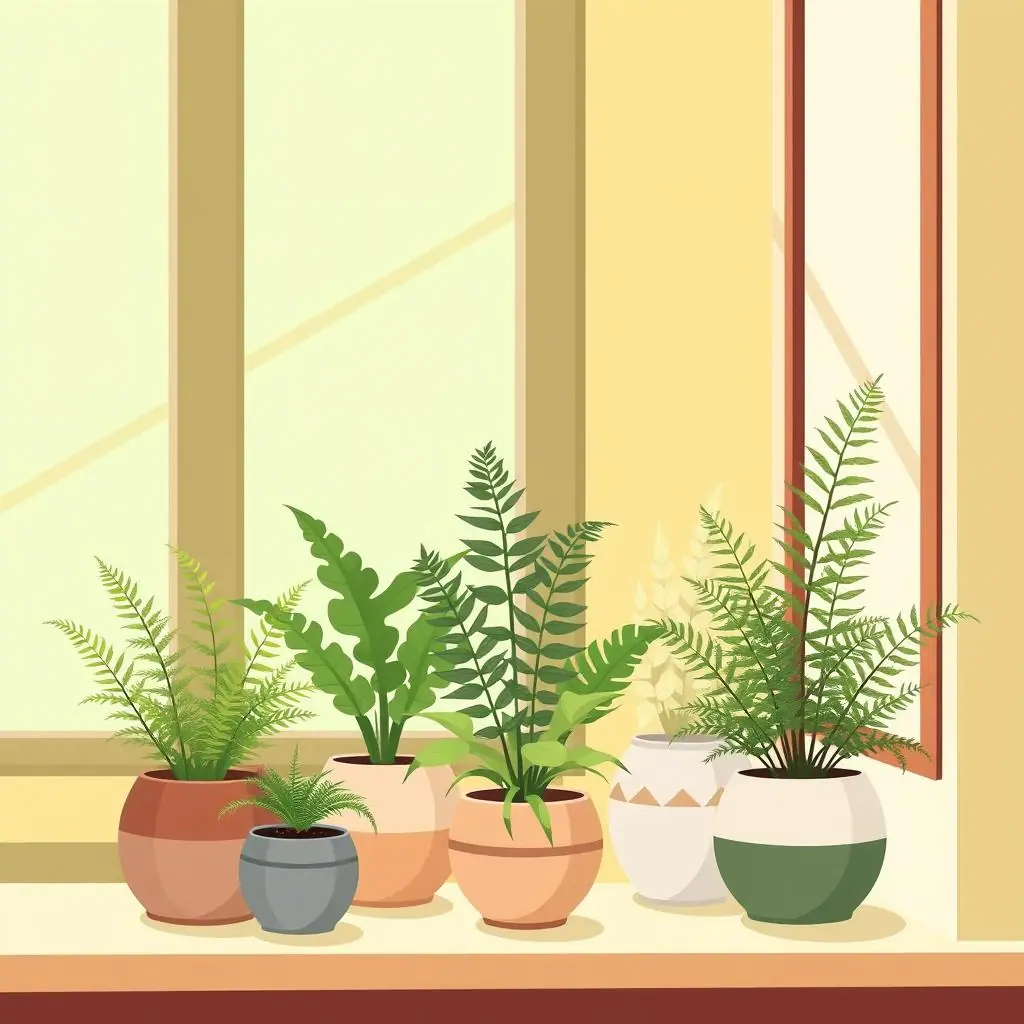
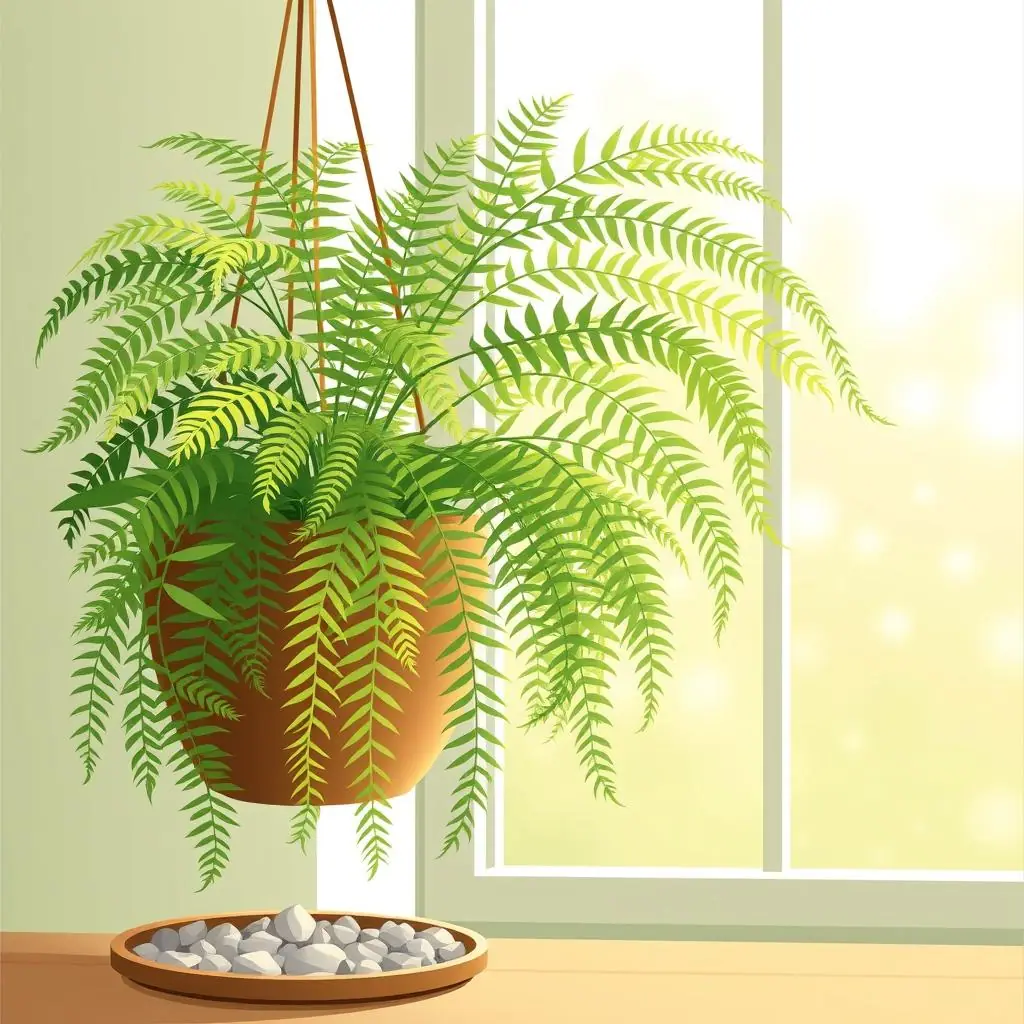
A pebble tray can be helpful for a short trip if the bottom of the pot stays above the water line. Grouping a few ferns together can also create a slightly calmer pocket of moisture around them. For more everyday options, our guide to humidity for ferns explains simple methods that do not turn care into a science project.
When to Use a Clear Plastic Bag Setup
For some houseplants, a clear plastic bag can slow moisture loss during a short absence. Illinois Extension describes covering plants with a clear plastic bag and placing the enclosed plant in a shallow pan with pebbles and some water for roughly a week of vacation care. That can be useful, but it should be used thoughtfully with ferns.
Only try this with a healthy fern, out of direct sun, and with enough space so the plastic does not press hard against delicate fronds. Never place a bagged fern in sun, because heat can build quickly. If the fern is already diseased, moldy, or very wet, a bag may make the problem worse.
A safer version for beginners
If you are unsure, use a partial humidity setup instead of a fully enclosed one. Group the fern with other plants, set it on a pebble tray, and move it to steady indirect light. This gives the fern support without trapping as much moisture around every leaf.
When a plant sitter is better
Ask someone to check the fern if you will be gone longer than five to seven days, if your home gets hot, or if the fern is already recovering from stress. A simple instruction is enough: check the soil, water only if the top layer is lightly dry, and empty the saucer afterward.
What Not to Do Before a Short Trip
Most travel problems come from trying too hard at the last minute. Ferns respond better to steady care than to big experiments right before you leave.
- Do not leave the pot soaking: Standing water can damage roots while you are gone.
- Do not repot the night before: Fresh repotting adds stress and changes how the soil holds moisture.
- Do not fertilize for a boost: Feeding is not a substitute for water, light, or humidity.
- Do not mist heavily and close the room: Wet fronds in still air can invite trouble.
- Do not move every fern to deep shade: Low light slows drying, but it can also weaken the plant if overdone.
Pros and Cons of Short-Trip Fern Prep
Simple setup
Most short trips only need careful watering, full drainage, and a stable indirect-light spot.
Less panic care
A clear routine helps you avoid overwatering, over-misting, or moving the plant too much.
Good habit builder
Travel prep teaches you to read soil, pot weight, light, and saucers more carefully.
Not for long absences
A few-day routine cannot replace regular checks during an extended vacation.
Delicate ferns may still react
Maidenhair and other fine-leafed ferns can show stress quickly in dry indoor air.
When You Come Home
When you return, check before you water. Look at the soil, saucer, fronds, and pot weight. If the fern is still evenly moist, leave it alone for the day. If it is lightly dry, water normally and drain well.
Do not cut every tired frond immediately. Some fronds may lift again after the plant settles back into its regular routine. Remove only fully brown, brittle pieces at first, then reassess in a few days.
To get back into a steady rhythm, reconnect this travel check with your daily fern care routine. A quick look every few days is often enough to catch changes before they become real problems.
Frequently Asked Questions
Can a fern be left alone for three days?
Usually, yes, if it is healthy, watered appropriately, drained well, and kept in bright indirect light. Very delicate ferns or ferns in hot rooms may need a check sooner.
Should I leave my fern sitting in water while I travel?
No. A pebble tray is fine if the pot sits above the water, but the roots should not remain in standing water for days.
Is a clear plastic bag safe over a fern?
It can be safe for a short time if the fern is healthy, the bag does not crush the fronds, and the plant is kept out of direct sun. If you are unsure, use grouping and a pebble tray instead.
What should I do first when I get home?
Check the soil and saucer before watering. If the pot is still moist and heavy, wait. If it is lightly dry, water slowly and let it drain completely.
Final Thoughts
Fern care while traveling does not have to be complicated. Water when the plant actually needs it, let the pot drain, move it away from harsh sun or drafts, and add modest humidity support if your home is dry.
The calmest plan is often the safest one. Prepare a day or two ahead, avoid last-minute experiments, and return to your normal routine when you get home. Your fern does not need perfection while you are away; it needs steady conditions and a little thoughtful planning.