Fern uneven growth can look alarming the first time you notice it. One side may be full and green while the other side looks thin, brown-tipped, or tired. The good news is that this usually calls for patient observation, not drastic pruning.
Think of your fern as a quiet houseguest that leans toward comfort. It responds to light, airflow, watering, humidity, and old fronds over time. If one side looks bad, your job is to read the clues before changing everything at once.
Why Fern Uneven Growth Matters
A fern with one bad side is worth checking because it can show you exactly where the plant is uncomfortable. The weaker side may be facing a window, a heating vent, a dry corner, or a walkway where fronds are brushed often.
Uneven growth does not mean the whole fern is failing. It often means one part of the plant is getting different conditions than the rest. A calm look at the pattern can prevent overwatering, over-pruning, or moving the plant repeatedly.
Start With Troubleshooting and Plant Health
Begin with a simple plant health check. Look at the good side first. Notice its color, posture, and soil moisture. Then compare it with the weaker side. This keeps you from treating the whole fern as if every frond has the same problem.
University of New Hampshire Extension notes that many indoor ferns prefer low light with relatively high humidity, plus drainage and soil that stays moist without becoming soggy. Their indoor fern care guidance is a useful reminder that light, moisture, and humidity work together rather than separately.
Check the pattern before acting
If the bad side faces strong sun, the fronds may look faded, crispy, or scorched. If it faces a cold window or air vent, the fronds may droop or brown along the edges. If it faces a wall, the plant may simply be reaching toward the brighter side of the room.
For a broader weekly inspection routine, keep FernLog's fern health checklist handy. It pairs well with this one-sided diagnosis because it helps you compare leaves, soil, and placement without rushing.
Why One Side of a Fern Looks Tired
One-sided fern trouble usually comes from uneven conditions around the pot. A fern is not standing in one environment. The front, back, left, and right sides may each experience a slightly different room.
Uneven light
Ferns often lean toward the softest useful light. If light comes from only one direction, the fuller side may be the side reaching toward the window. The back side may thin out because it receives less light and less air movement.
Dry air or drafts
A side facing a heat vent, air conditioner, fireplace, or drafty door may dry faster than the rest of the plant. This can lead to crispy tips, limp fronds, and older leaves that decline before the other side does.
Old fronds collecting on one side
Sometimes the problem is not active damage. Ferns naturally retire older fronds. If older growth sits mostly on one side of the plant, that side can look worse even while the crown is still healthy.
Read Drooping Fronds Before You Change Care
Drooping fronds can mean thirst, but they can also mean wet roots, low humidity, recent movement, or a sudden temperature shift. Before watering more, touch the soil and check the pot. Moist soil plus drooping fronds is a different problem from dry soil plus drooping fronds.
If the fern recently dried out once, compare your situation with this dried-out fern recovery guide. A one-time dry spell calls for steady recovery, not repeated soaking.
Also notice whether new growth is still appearing from the crown. Fresh, pale green fiddleheads are encouraging. They suggest the fern is still trying to grow, even if one older section looks rough.
Light and Humidity Changes to Check First
Before pruning the bad side, check light and humidity. These are often the easiest conditions to improve gently.
- Rotate slowly: Turn the pot a quarter turn every week or two, not every day.
- Move out of harsh sun: Bright indirect light is safer than direct afternoon sun on delicate fronds.
- Protect from vents: Keep the weak side away from heating, cooling, and strong drafts.
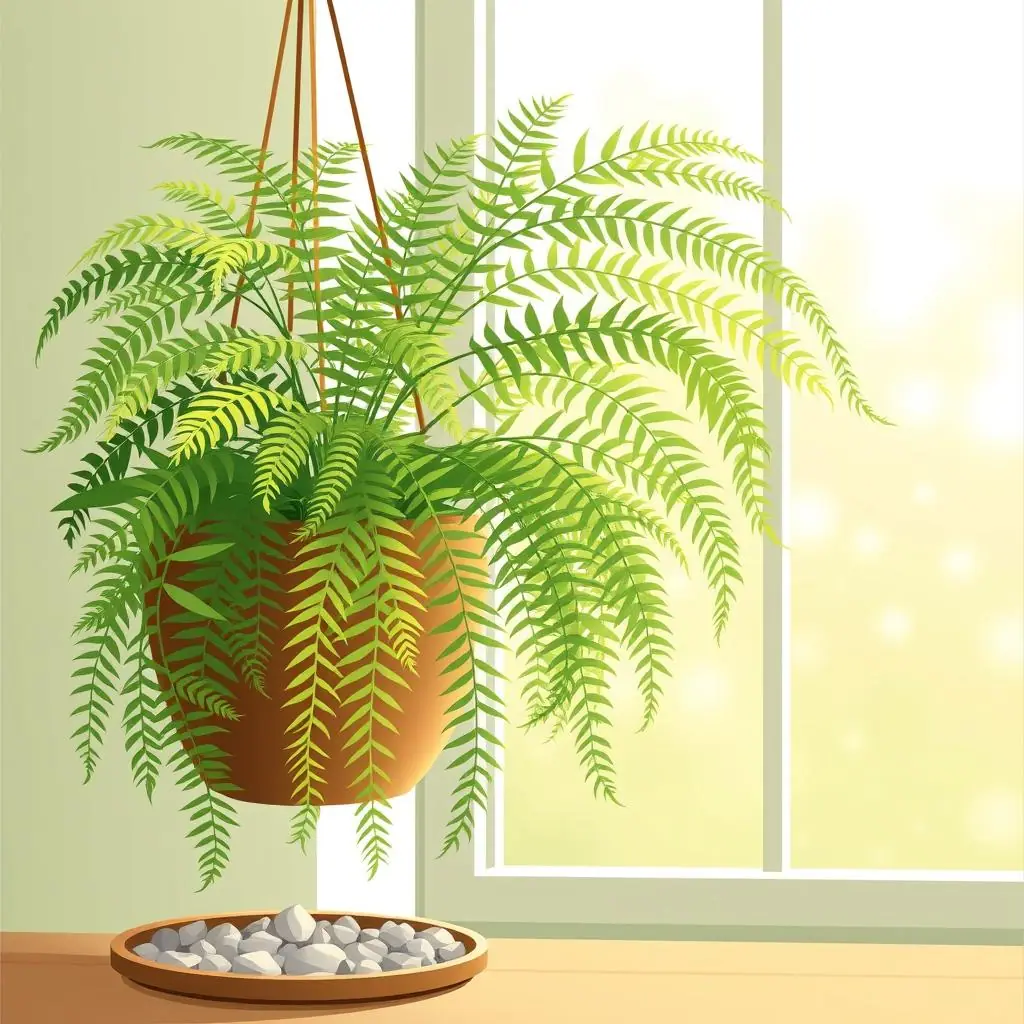
- Raise humidity gently: Group plants nearby, use a pebble tray, or place the fern in a naturally more humid room with enough light.
- Keep watering steady: Check soil moisture before watering instead of following the calendar blindly.
If the bad side faces a window, FernLog's guide on ferns too close to a window can help you separate helpful brightness from hot glass, cold drafts, and sun scorch.
Give the Fern a Recovery Window
After you adjust placement or rotation, give the fern one to three weeks before judging the result. Ferns do not usually correct their shape overnight. Damaged fronds may not become perfect again, but new growth should look steadier.
During this recovery window, avoid repeated moves. Each move changes light, temperature, and humidity again. A fern with one bad side usually needs a calmer routine, not more excitement.
When to Trim the Bad Side
Pruning can help the fern look cleaner, but it should not be the first fix unless fronds are fully brown, broken, or diseased-looking. Trim close to the base with clean scissors, taking only the fronds that are clearly finished.
Leave partly green fronds if they still look useful. They can still support the plant while better conditions take effect. Removing too much at once can make a stressed fern look tidy for a day but weaker over the next few weeks.
Pros and Cons of Reshaping a One-Sided Fern
Improves balance over time
Gentle rotation and better placement can help new fronds fill in the thinner side naturally.
Prevents overreaction
Reading the pattern first keeps you from watering, feeding, repotting, and pruning all at once.
Protects healthy growth
Careful trimming removes finished fronds while preserving green growth that still helps the plant.
Takes patience
A weak side may need several weeks of steady conditions before the plant looks fuller.
Old damage may remain
Brown tips and torn fronds usually do not heal perfectly, even after the care problem is corrected.
A Simple Checklist for Fern Uneven Growth
Use this checklist before you make a big change. It keeps the diagnosis practical and repeatable.
- Which direction is the bad side facing? Window, wall, vent, doorway, or traffic path?
- Is the soil dry, moist, or soggy? Check before watering more.
- Are the newest fronds healthy? New growth is the best sign of recovery.
- Has the plant moved recently? Give it time to settle before repotting.
- Can one small adjustment help? Rotate, shift away from a vent, or improve humidity before pruning hard.
When to Get Extra Help
Ask for extra help if the bad side spreads quickly, the soil smells sour, the pot has no drainage, pests are visible, or the fern is dropping many fronds at once. Those signs may point beyond ordinary uneven growth.
If growth has completely stalled, compare your symptoms with FernLog's guide to ferns that are not growing. It covers light, roots, dormancy, and nutrient questions in more detail.
When in doubt, use a trusted local extension resource, a reputable plant clinic, or a knowledgeable nursery. Take a clear photo of the whole plant, the bad side, the soil surface, and the pot drainage so the advice is based on evidence.
Frequently Asked Questions
How long can a fern look uneven after a change?
Give it one to three weeks after you adjust placement, rotation, or humidity. Old damaged fronds may stay imperfect, but new growth should begin to look steadier.
Should I water more if only one side droops?
Check the soil first. If the soil is already moist, more water may make things worse. One-sided drooping can come from light, drafts, humidity, or old fronds as well as thirst.
Should I repot a fern with one bad side?
Usually wait unless you see a clear drainage, sour soil, root crowding, or root rot problem. Repotting adds stress, so correct the room conditions first when the roots seem healthy.
Where should I place the fern while it recovers?
Choose stable bright indirect light away from vents, strong sun, cold glass, and busy walkways. A calm location helps the fern respond to one change at a time.
Final Thoughts
A fern with one bad side is asking you to slow down and notice the room around it. Most of the time, the answer is not a dramatic rescue. It is steadier light, softer airflow, careful watering, and patient trimming.
Start with the smallest useful change today. Rotate gently, move the weak side away from stress, remove only clearly finished fronds, and watch the newest growth. That quiet, steady approach is often exactly what a fern needs to become balanced again.