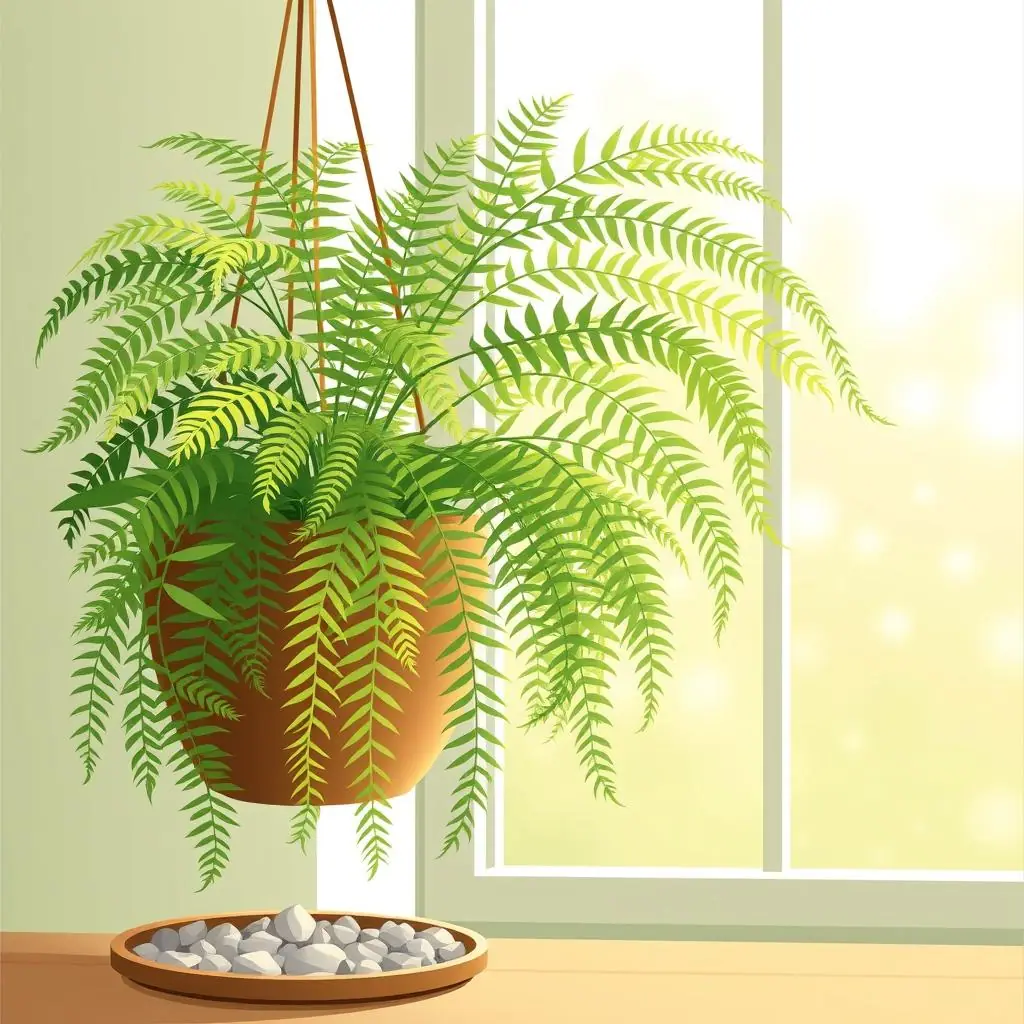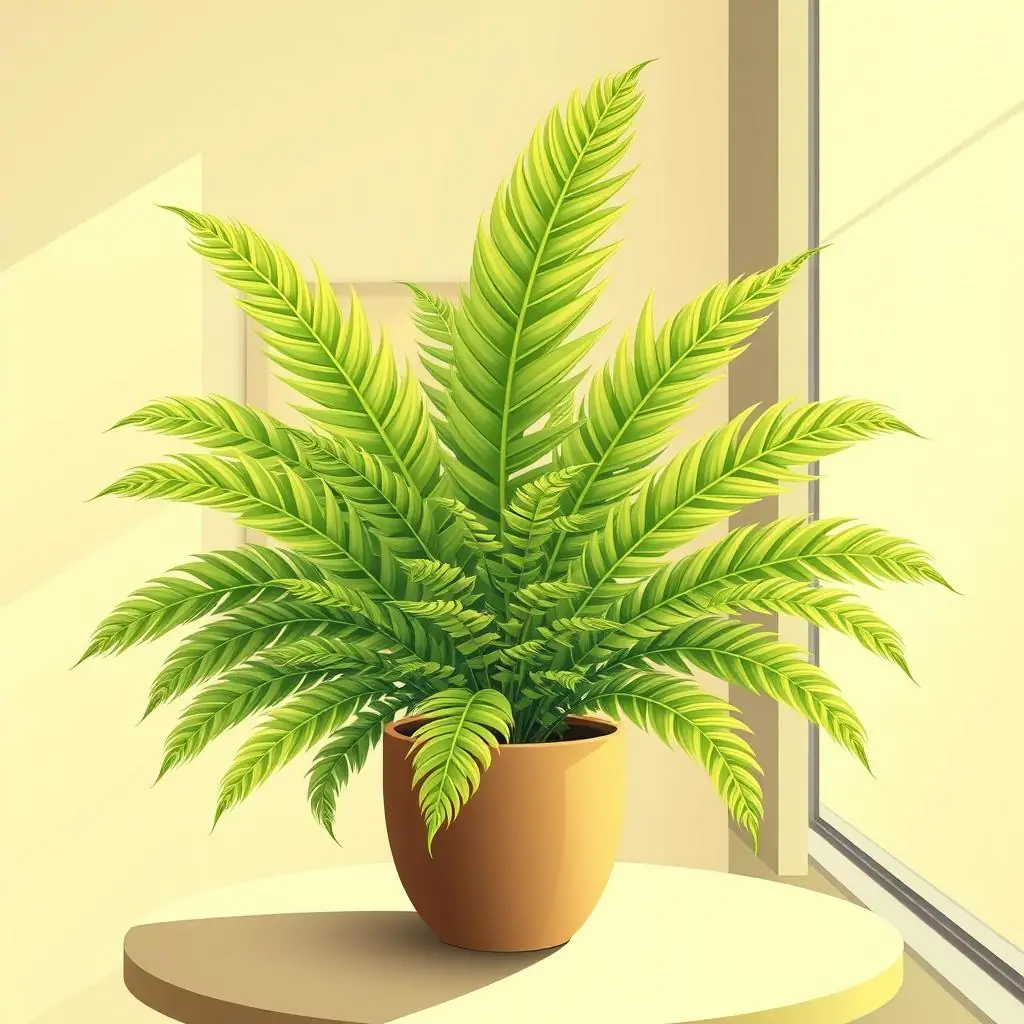
When your fern seems frozen in time — no new fronds emerging, no visible growth — it's natural to feel concerned. A stalled plant often feels like a personal failure, but here's the truth: stunted growth is rarely about your care being fundamentally wrong.
Most ferns experience growth slowdowns for reasons that are surprisingly simple to correct once you understand what's happening beneath the surface. After helping hundreds of plant parents diagnose their non-growing ferns, I've identified the most common culprits and the fastest paths to recovery.
Understanding Normal vs Concerning Growth Patterns
Before assuming your fern has a problem, it helps to understand what healthy growth actually looks like throughout the year.
Indoor ferns typically produce 3-8 new fronds during active growing season (spring through early fall), with each frond taking 2-4 weeks to fully unfurl. During winter, many species naturally slow down or pause growth entirely as they enter dormancy.
Normal seasonal slowdown indicators: Existing fronds stay healthy and green, the plant maintains its current size, and no yellowing or wilting appears. This is natural rest, not a problem.
Concerning growth stunting: No new growth for 3+ months during growing season, existing fronds look pale or weak, or the plant shows other stress symptoms alongside stalled growth.
The Light Factor: Most Common Growth Inhibitor
Inadequate light is responsible for about 60% of stunted fern growth cases I encounter. Even species known as "low-light tolerant" actually need bright, indirect light to produce new fronds.

Light Assessment and Solutions
The "bright enough to read comfortably but no direct sun" test works well for ferns. If you need artificial lighting to read near your plant during midday, that spot probably lacks sufficient light for active growth.
Quick fixes for inadequate light:
- Move closer to windows: Position your fern 2-4 feet from an east or north-facing window
- Remove obstructions: Clear sheer curtains or items blocking light between the plant and window
- Add grow lights: LED grow lights positioned 12-18 inches above the fern for 8-10 hours daily can supplement natural light
- Rotate regularly: Turn your fern weekly so all sides receive equal light exposure
Most ferns respond to improved lighting within 3-4 weeks, producing visible new frond buds at the crown.
Root-Bound Plants: Growth Stops Underground
When roots have nowhere left to expand, the entire plant pauses growth above soil as well. This is one of the easiest problems to identify and resolve.
Root Assessment Steps
Gently remove your fern from its pot and examine the root ball. Healthy growing plants show white or light brown roots with visible soil between them. Root-bound plants have densely packed roots circling the pot's edge with minimal soil visible.
When to repot: If you see more roots than soil, or if roots have formed a solid mat against the pot sides, your fern needs a larger home. Choose a pot 2 inches larger in diameter and refresh the soil completely.
Best timing: Repot during early spring when natural growth hormones are most active. This gives your fern the entire growing season to establish in its new container.
Nutrient Deficiency: The Silent Growth Stopper
Ferns aren't heavy feeders, but depleted soil eventually lacks the nutrients needed for new frond production. This is especially common in plants that haven't been repotted or fertilized in over a year.
Signs of Nutrient Deficiency
Beyond stunted growth, nutrient-starved ferns often show pale or yellow-green new fronds (when they do appear), smaller frond size compared to older growth, and overall lack of vigor even when other conditions seem optimal.
Fertilization protocol for recovery:
- Start diluted: Use liquid fertilizer at quarter strength for the first two applications to avoid shocking the plant
- Build up gradually: Increase to half strength for maintenance feeding during growing months
- Timing matters: Apply every 4 weeks from spring through early fall, stopping completely in winter
- Watch for response: New growth typically appears 3-6 weeks after fertilization begins
Environmental Stress Factors
Sometimes growth stalls because your fern is spending all its energy just surviving current conditions rather than investing in expansion.
Temperature Stress
Ferns pause growth when temperatures consistently fall below 60°F (15°C) or climb above 80°F (27°C). Sudden temperature swings — like those from heating vents, drafts, or air conditioners — can also trigger growth suspension.
Ideal range: 65-75°F (18-24°C) with minimal daily fluctuation creates conditions where ferns direct energy toward growth rather than stress response.
Humidity and Growth
Low humidity forces ferns to close their pores and reduce water loss, which also means reduced nutrient uptake and photosynthesis. Growth naturally slows or stops when the plant focuses on survival rather than expansion.
Maintaining 50-60% humidity through pebble trays, humidifiers, or grouping plants together keeps metabolic processes functioning optimally for growth.
Watering Imbalances Stunt Development
Both overwatering and underwatering can halt growth, but they do so through different mechanisms.
Overwatering effects: Waterlogged soil suffocates roots, preventing them from absorbing nutrients and oxygen. Without healthy root function, no new growth appears above soil.
Underwatering impact: Chronically dry soil forces the plant into survival mode, closing pores and slowing all metabolic processes including growth.
The solution in both cases is establishing consistent moisture — keeping soil evenly damp (not soggy or bone-dry) by checking daily and watering when the top inch feels dry.
Pros and Cons of Different Recovery Approaches
Patience with dormancy
Allowing natural winter rest prevents stress from forcing growth when the plant isn't ready.
Systematic diagnosis
Checking one variable at a time (light, roots, nutrients) identifies the actual problem rather than making random changes.
Gradual adjustments
Small, incremental changes give your fern time to adapt without additional stress.
Recovery time
Correcting stunted growth takes 4-8 weeks before visible improvement appears.
Multiple causes
Sometimes more than one factor contributes, requiring several adjustments simultaneously.
Frequently Asked Questions
How long should I wait before assuming my fern has stopped growing?
During active growing season (April-September), lack of any new fronds for 6-8 weeks suggests stunted growth. In winter, 3-4 months without growth is normal dormancy, not a concern.
Will my fern ever recover and grow normally again?
Yes, in most cases. Once you correct the limiting factor (light, nutrients, root space, or water), healthy ferns resume normal growth within 4-8 weeks. Persistent damage to roots or disease can slow recovery, but stunted growth alone is reversible.
Can I force my fern to grow faster with extra fertilizer?
No — over-fertilization can burn roots and actually worsen stunted growth. Ferns grow at their natural pace when conditions are optimal. Focus on creating ideal conditions rather than pushing the plant beyond its natural rhythm.
My fern looks healthy but hasn't grown in months. What's wrong?
This often indicates either natural dormancy (if it's winter), inadequate light (the most common cause), or being root-bound. Check these three factors first before investigating less common issues.
Creating Conditions for Consistent Growth
Once you've identified and corrected the limiting factor, maintaining optimal conditions prevents future growth stalls. This means stable temperatures, consistent watering, adequate light, and seasonal fertilization during growing months.
Keep a simple log noting when new fronds appear. This helps you recognize your specific fern's natural growth rhythm and quickly spot when patterns change. Most healthy indoor ferns produce at least one new frond per month during active season.
Remember that growth is the plant's way of telling you conditions are right. Stalled growth isn't failure — it's valuable feedback that something in your fern's environment needs adjustment. With systematic observation and targeted corrections, you can transform a stagnant plant into one that consistently unfurls fresh, vibrant fronds.