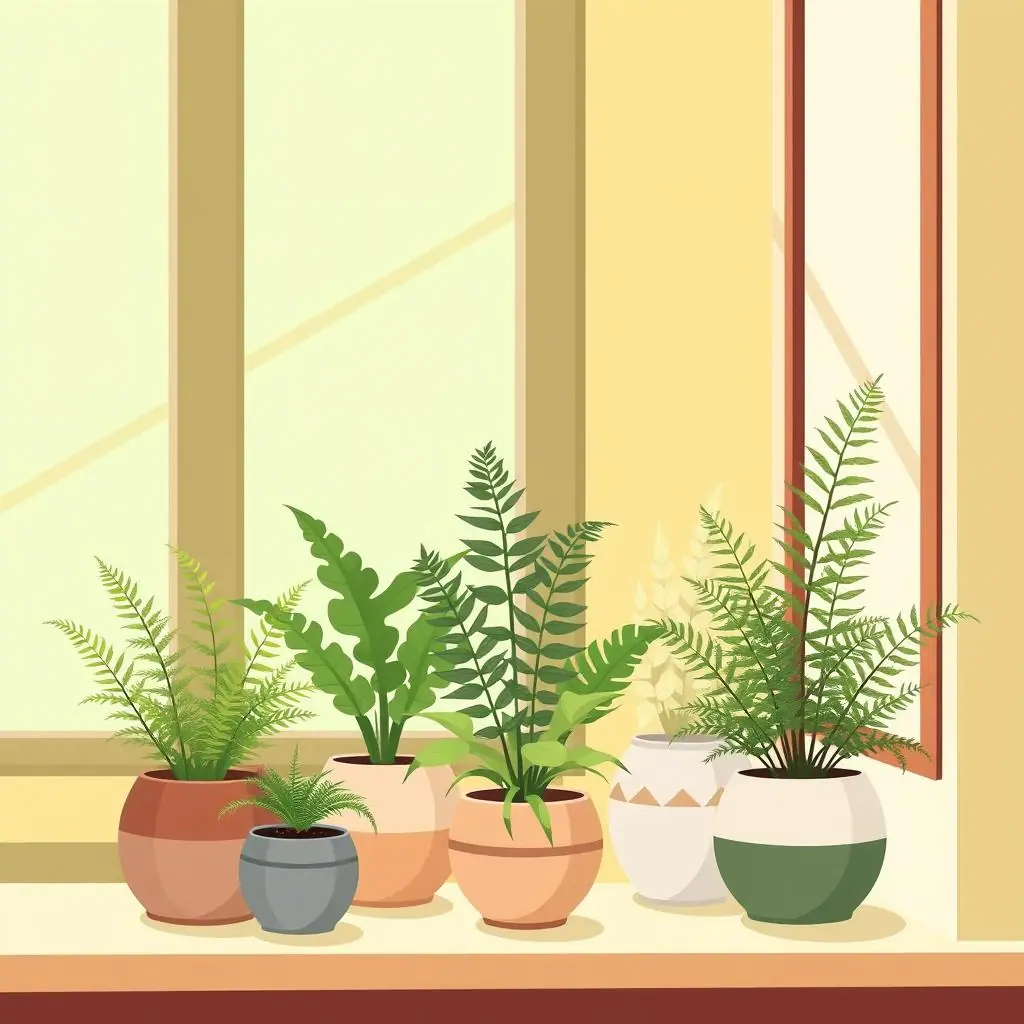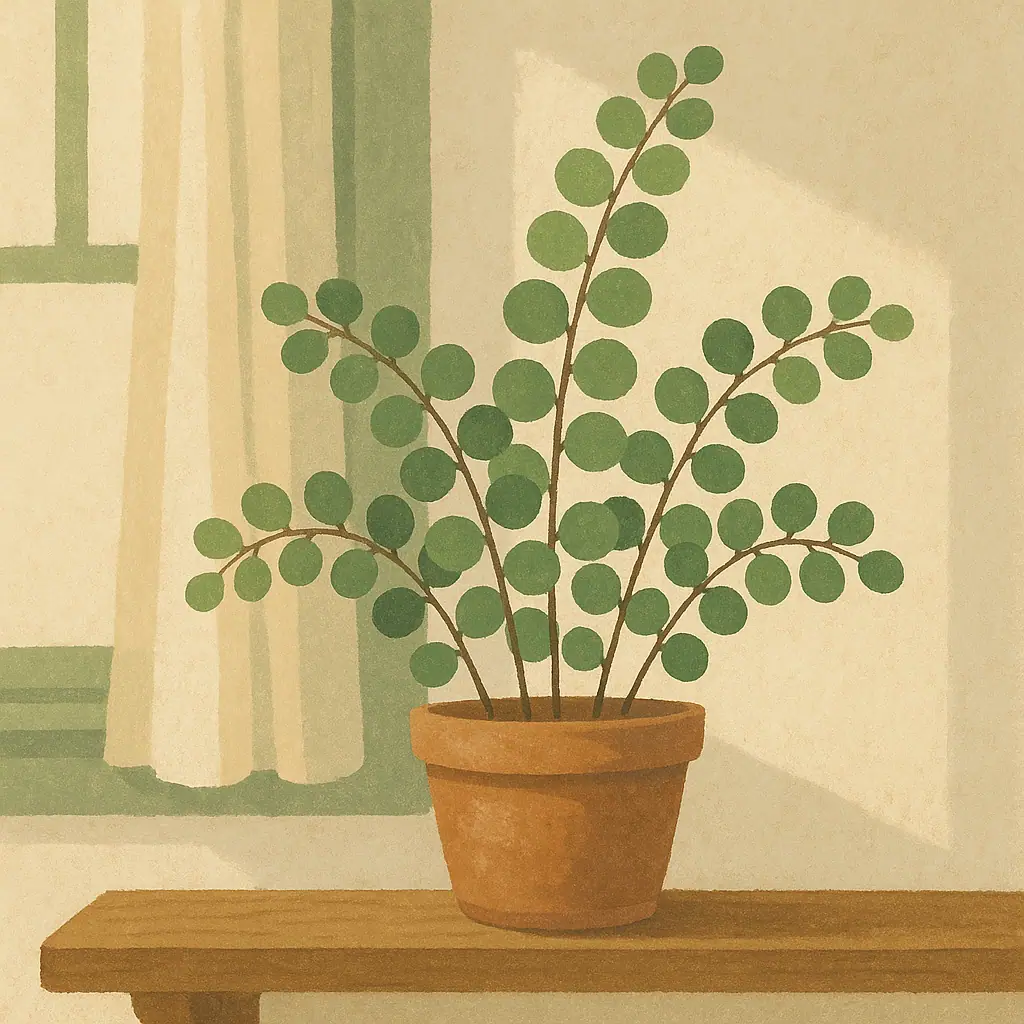
Button fern care feels a little different from caring for the more feathery ferns many people picture first. This neat little plant has round, glossy leaflets on wiry dark stems, giving it an old-fashioned charm that looks right at home on a shelf, side table, or quiet windowside stand.
The button fern, known botanically as Pellaea rotundifolia, is often appreciated because it stays compact and has a tidy shape. It still needs thoughtful fern care, but it does not always behave like a delicate maidenhair fern or a large Boston fern. The trick is learning its steady preferences instead of treating every fern exactly the same.
This guide walks through button fern care in a calm, practical way: where to place it, how to water it, which mistakes to avoid, and what its small leaves may be telling you.
What Makes Button Fern Care Different?
Button fern care begins with noticing the plant's texture. Its leaflets are small, rounded, and firmer than many lace-like fern fronds. That sturdier look is part of its appeal, and it also helps explain why the plant can feel more manageable for a beginner who wants a fern but does not want a huge hanging basket.
Kansas State University Extension describes button fern as a small, low-growing fern and recommends bright indirect light, slightly moist soil, protection from drafts, and a basic fern potting medium. Their button fern care sheet is a useful confirmation that this plant wants gentle consistency rather than dramatic treatment.
Why Button Ferns Suit Small Indoor Spaces
One reason button ferns are so pleasant indoors is their scale. They can bring fern texture to places where a large Boston fern would feel overwhelming: a bookcase, a plant stand, a desk corner, or a small bedroom table. Their rounded leaflets also give a softer, more orderly look than a wild, arching fern.
If you recently read our guide to lemon button fern care for small shelves, it helps to know that these are not the same plant. Lemon button fern is commonly associated with Nephrolepis, while button fern is Pellaea rotundifolia. They may both look charming in small spaces, but their growth habits and care expectations are not identical.
Button fern also works well for people who enjoy observing details. The small leaflets make changes easier to spot. A few browning edges, a loosening shape, or a tired lean can show up early if you look closely once or twice a week.
Best Light for Button Fern Care
Bright indirect light is the safest starting point for button fern care. Think of a bright room where the plant can see the window but does not sit in harsh afternoon sun. A north-facing or east-facing window nearby may be suitable, especially if the plant is set back slightly from the glass.
Signs the light is too strong
Too much direct sun can make the leaflets look faded, scorched, or dry along the edges. Because button fern leaves are small, damage can appear as scattered brown spots or crisp tips rather than one large burned patch.
Signs the light is too weak
In a dim corner, button fern may become sparse, slow, or stretched. The plant may stay alive for a while without looking full. If you are unsure how to judge a room, our guide to fern light requirements and bright indoor spots can help you compare gentle light, direct sun, and dark corners more confidently.
How to Water a Button Fern Without Overdoing It
Watering is where many button fern problems begin. This plant appreciates even moisture, but it does not want to sit in a heavy, soggy pot. Aim for soil that feels lightly moist below the surface, then allow the top to ease slightly before watering again.
Use your finger, a wooden skewer, or the weight of the pot as your guide. If the surface is dry but the pot still feels heavy and cool, wait a little longer. If the top layer is dry and the pot feels noticeably lighter, water thoroughly and let extra water drain away.
- Water deeply: Give enough water that the root ball is moistened, not just the top crust of soil.
- Drain completely: Empty the saucer after watering so roots are not sitting in stale water.
- Check before repeating: Do not water on a strict calendar if the soil is still damp.
- Adjust by season: Warm bright weeks may dry the pot faster than cool winter weeks.
- Watch the leaves: Browning can come from dryness, but yellowing and sour soil often point toward excess moisture.
For a broader routine, our indoor fern watering guide explains how to avoid the common habit of adding a little water too often. Button fern care is easier when each watering is purposeful and the pot has time to breathe afterward.
Soil, Pot, and Placement Details
A button fern does best in a potting mix that holds some moisture while still draining freely. A basic fern mix or a high-quality indoor potting mix amended for drainage can work well. The goal is not dry, gritty soil; it is a soft, organic mix that does not collapse into a wet brick.
Why shallow pots can help
Because button ferns are naturally compact, a shallow pot can be easier to manage than a deep container that stays wet at the bottom. An oversized pot may hold more water than the roots can use, especially in a cooler room.
Keep it away from drafts
Button fern care also includes protecting the plant from sudden drafts. Avoid placing it beside exterior doors, heating vents, air-conditioning blasts, or windows that become very cold at night. A steady room feels safer than a dramatic spot that changes temperature several times a day.
Common Button Fern Mistakes
Most button fern care mistakes come from trying too hard or not checking the basics. The plant is small, so changes in water, light, and temperature can show quickly.
- Treating it like a succulent: Button fern may tolerate slightly drier moments than some delicate ferns, but it still dislikes being forgotten until the whole pot is crisp.
- Keeping it constantly wet: Soggy soil can lead to root trouble, especially in a deep pot or dim room.
- Putting it in direct afternoon sun: Small leaflets can scorch faster than you expect.
- Moving it repeatedly: Give the plant time to settle before deciding a location has failed.
- Ignoring drafts: Cold or hot air movement can stress the plant even when light and water seem right.
Pros and Cons of Button Fern Care
Compact and tidy
Button fern fits shelves, small tables, and plant stands without taking over a room.
Distinctive old-fashioned texture
Round leaflets and dark stems give the plant character even when it is still small.
Good observation plant
Its small leaves make it easier to notice early changes in color, dryness, or posture.
Can resent soggy soil
Overwatering in a deep pot may cause stress even if the top of the plant still looks calm.
Small leaves show damage
Crispy tips, sun marks, and dry edges can be noticeable on the rounded leaflets.
Frequently Asked Questions
Is button fern the same as lemon button fern?
No. They are often confused because both are small and charming, but button fern is usually Pellaea rotundifolia. Lemon button fern is commonly treated as a different fern with its own care habits.
How often should I water a button fern?
Water when the top of the mix has eased slightly dry and the pot feels lighter, then drain thoroughly. The exact timing depends on light, pot size, room temperature, and season.
Does button fern need high humidity?
It appreciates comfortable indoor humidity, but the most important basics are bright indirect light, steady moisture without sogginess, and protection from drafts.
Why are my button fern leaflets browning?
Browning can come from underwatering, direct sun, dry air, drafts, or root stress from wet soil. Check the soil moisture and placement before changing several things at once.
Final Thoughts
Button fern care is gentle, observant work. Give the plant bright indirect light, a modest pot with drainage, slightly moist but breathable soil, and a quiet spot away from drafts. Then let its small round leaflets tell you how the routine is working.
If you want a fern with tidy charm rather than big dramatic fronds, button fern can be a lovely choice. Start with a simple setup, check it weekly, and make small adjustments instead of dramatic changes. That calm approach is usually what helps this old-fashioned little fern settle in beautifully.