Lemon button fern care is a lovely place to begin if you want a fern that feels cheerful without taking over the room. This compact fern has small rounded leaflets, a tidy shape, and a fresh look that suits shelves, side tables, bathrooms, and quiet reading corners.
Many people admire ferns but worry they will be too fussy. The lemon button fern is still a fern, so it appreciates moisture and gentle light, but it is often more forgiving than a large dramatic Boston fern. Think of it as the teacup version of the fern world: small, charming, and happiest when its simple routine is respected.
This guide explains how to place, water, prune, and enjoy a lemon button fern indoors without turning its care into a complicated project.
What Is a Lemon Button Fern?
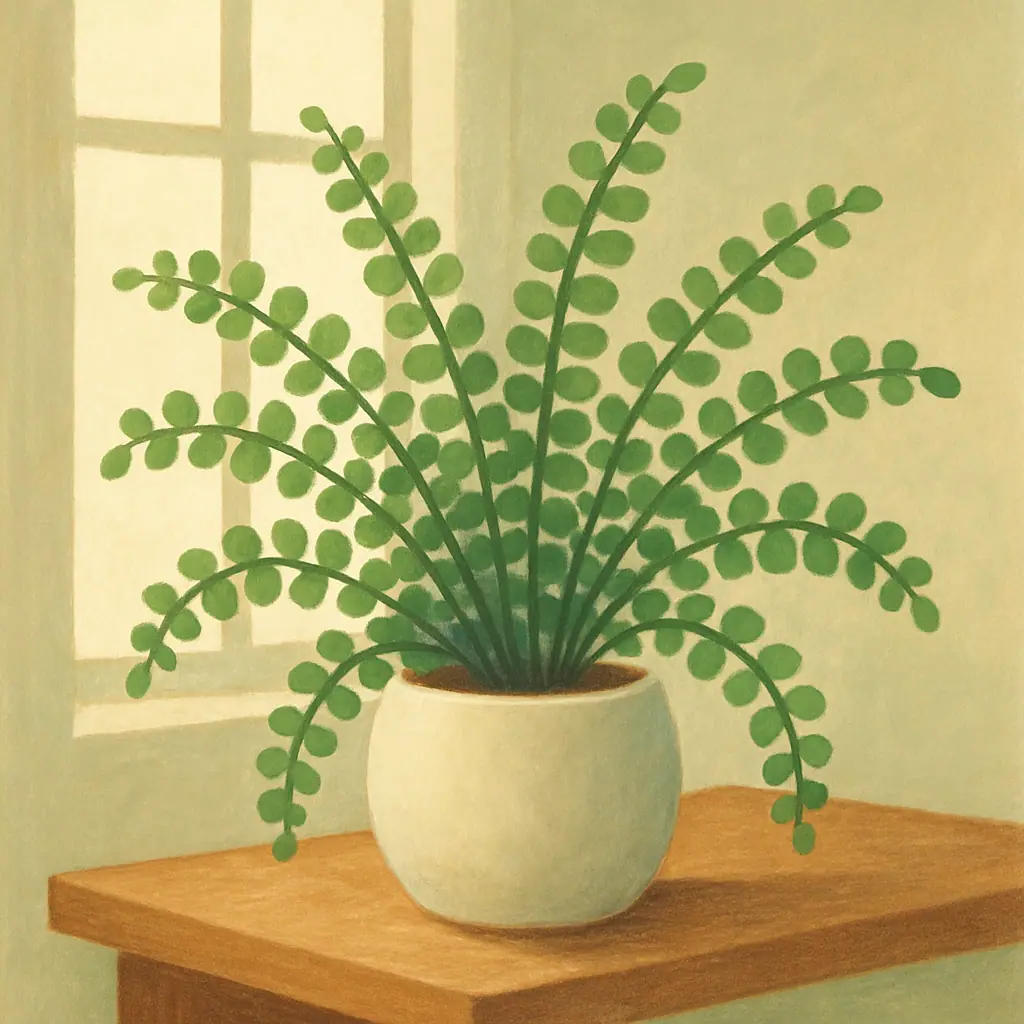
A lemon button fern is commonly sold as Nephrolepis cordifolia 'Duffii'. It is related to sword ferns, but its smaller rounded leaflets give it a softer, button-like texture. Some growers notice a light lemony scent when the fronds are brushed, which is where the common name comes from.
NC State Extension lists 'Duffii' among cultivated varieties of Nephrolepis cordifolia, along with other familiar forms. For an indoor grower, the important point is simple: this is a compact fern that prefers filtered light, even moisture, and protection from harsh extremes.
It is especially useful when you want greenery in a small space. A young lemon button fern can sit on a bookshelf, plant stand, desk, windowsill set back from direct sun, or bathroom shelf where larger ferns would feel crowded.
Why Lemon Button Fern Care Works Well for Shelves
Lemon button fern care suits shelves because the plant usually stays modest, rounded, and easy to turn. Instead of long fronds spilling everywhere, it offers a neat green texture that can soften hard edges on furniture.
It brings fern texture without needing a huge basket
Large hanging ferns can be beautiful, but they may shed, drip, or need more room than a small home can spare. A lemon button fern gives you the fern feeling in a much smaller footprint. That makes it friendly for apartments, guest rooms, offices, and small homes where every surface matters.
It is easy to observe up close
Because it often lives near eye level, you can notice small changes before they become big problems. If the soil feels dry, the pot gets light, or a few tips start browning, you will see it during daily life rather than discovering it weeks later.
The best shelf is bright but not hot. A north-facing or east-facing room often works well. If the shelf is near a sunny south or west window, move the fern back from the glass or use a sheer curtain so the fronds do not scorch.
Light, Water, and Humidity Basics
The heart of lemon button fern care is balance. The plant does not want direct afternoon sun, bone-dry soil, or a soggy pot. It wants the indoor version of a mild forest edge: bright shade, gentle moisture, and air that is not too dry.
- Light: Choose bright indirect light or gentle morning light. Avoid strong afternoon sun on the fronds.
- Water: Keep the potting mix lightly and evenly moist. Water when the top layer begins to feel slightly dry, then let extra water drain away.
- Humidity: Average home humidity may work, but the fern looks better with a little extra moisture in the air, especially in winter.
- Soil: Use a light, well-draining houseplant mix. Moist does not mean heavy, packed, or swampy.
- Pot: Make sure the container has drainage holes. Decorative cachepots are fine if you empty standing water after watering.
When watering, pour slowly over the soil rather than soaking the foliage. Let the pot drain in a sink or tray before returning it to the shelf. This protects furniture and keeps roots from sitting in old water.
How to Keep a Lemon Button Fern Looking Tidy
A lemon button fern usually needs light grooming rather than serious pruning. Remove fully brown or dry fronds near the base with clean scissors. Do not trim every slightly imperfect leaflet; a few older fronds are normal on a living plant.
Rotate the pot every week or two so growth stays even. Shelf plants naturally lean toward the light, and a simple quarter-turn helps the plant keep a balanced shape.
When to repot
Repot only when the fern is clearly crowded, drying out unusually fast, or pushing against the pot. Move up just one pot size. A very large pot can hold too much moisture around the roots, which is harder on a fern than a snug but healthy container.
When to worry
Brown crispy tips often mean the plant has been too dry, too sunny, or exposed to dry indoor air. Yellowing and a heavy wet pot may point toward overwatering or poor drainage. If the plant declines, check the basics before adding fertilizer or moving it repeatedly.
Pros and Cons of Lemon Button Ferns
Compact and shelf-friendly
Its modest size makes it easier to place than many larger indoor ferns.
Soft, cheerful texture
The rounded leaflets add gentle greenery without making a room feel crowded.
Good for close observation
Because it fits on small surfaces, it is easy to check soil, color, and growth often.
Still dislikes drying out completely
It may be forgiving, but it is not a cactus. Long dry spells can quickly brown the fronds.
Direct sun can mark the leaves
Small fronds may scorch or fade if a shelf receives harsh afternoon light.
Frequently Asked Questions
Is lemon button fern care easy for beginners?
Yes, it can be a good beginner fern if you can provide indirect light and steady moisture. The main mistake is letting it dry out completely or leaving it sitting in water.
Can a lemon button fern grow in low light?
It may tolerate lower light for a while, but it usually looks better in bright indirect light. If growth becomes thin or slow, move it closer to a gentle window.
Should I mist my lemon button fern?
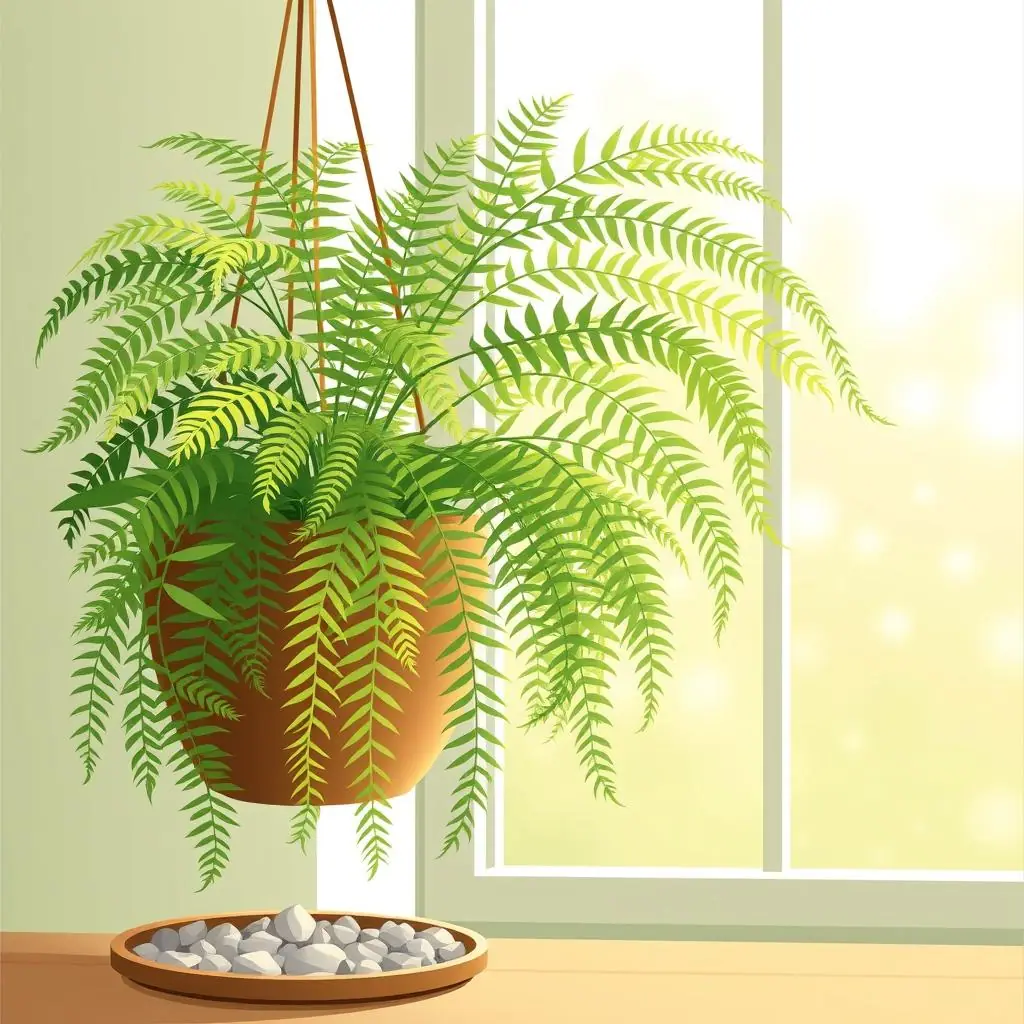
Light misting may offer brief freshness, but it does not replace proper watering or steady humidity. A pebble tray, nearby plants, or a humid room often helps more.
Why are the tips turning brown?
Brown tips often come from dry soil, dry air, too much sun, or inconsistent watering. Check the potting mix and light first before changing several things at once.
Final Thoughts
A lemon button fern is a small plant with a lot of quiet charm. It does not need a grand display to be beautiful. A simple shelf, soft light, and a careful watering rhythm are often enough.
If you want a fern that feels friendly, compact, and easy to observe, lemon button fern care is worth learning. Start with one steady spot, keep the soil lightly moist, and let the plant show you how content it is through fresh green growth.