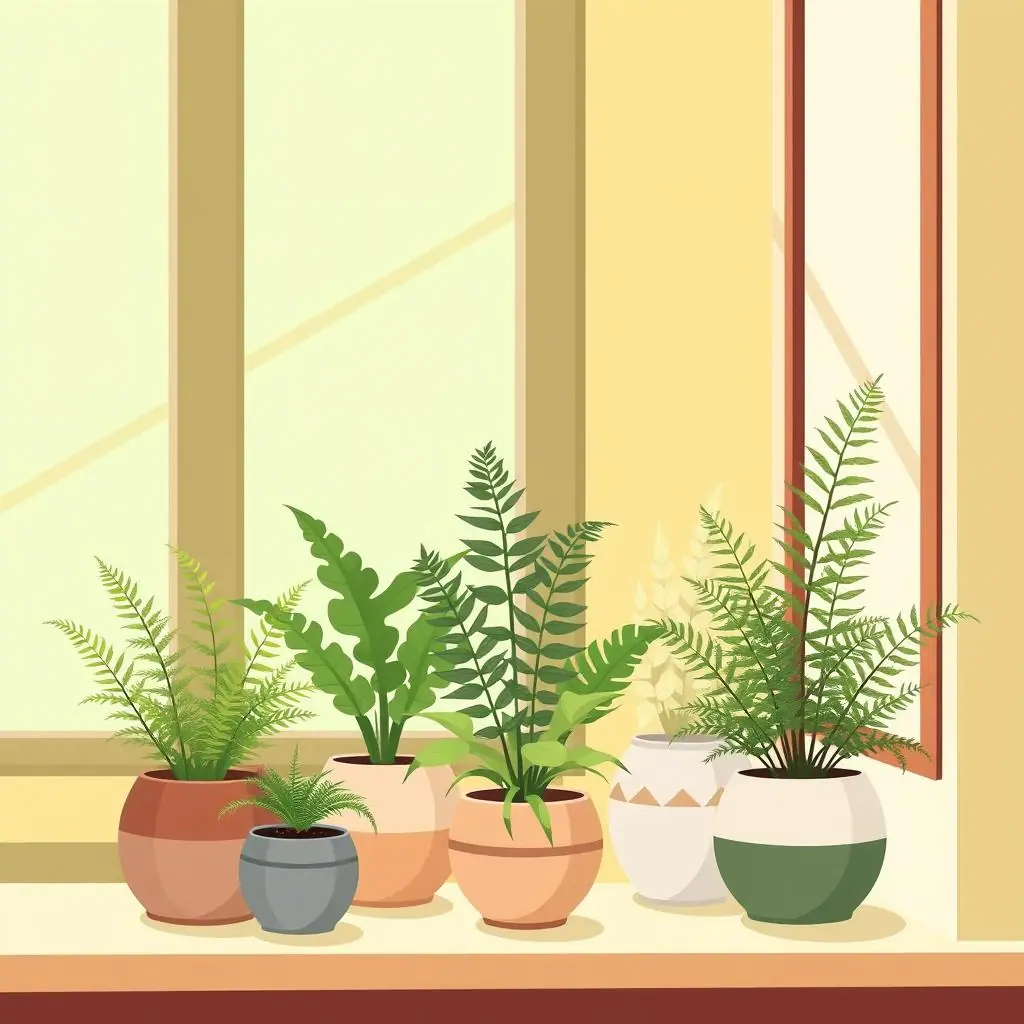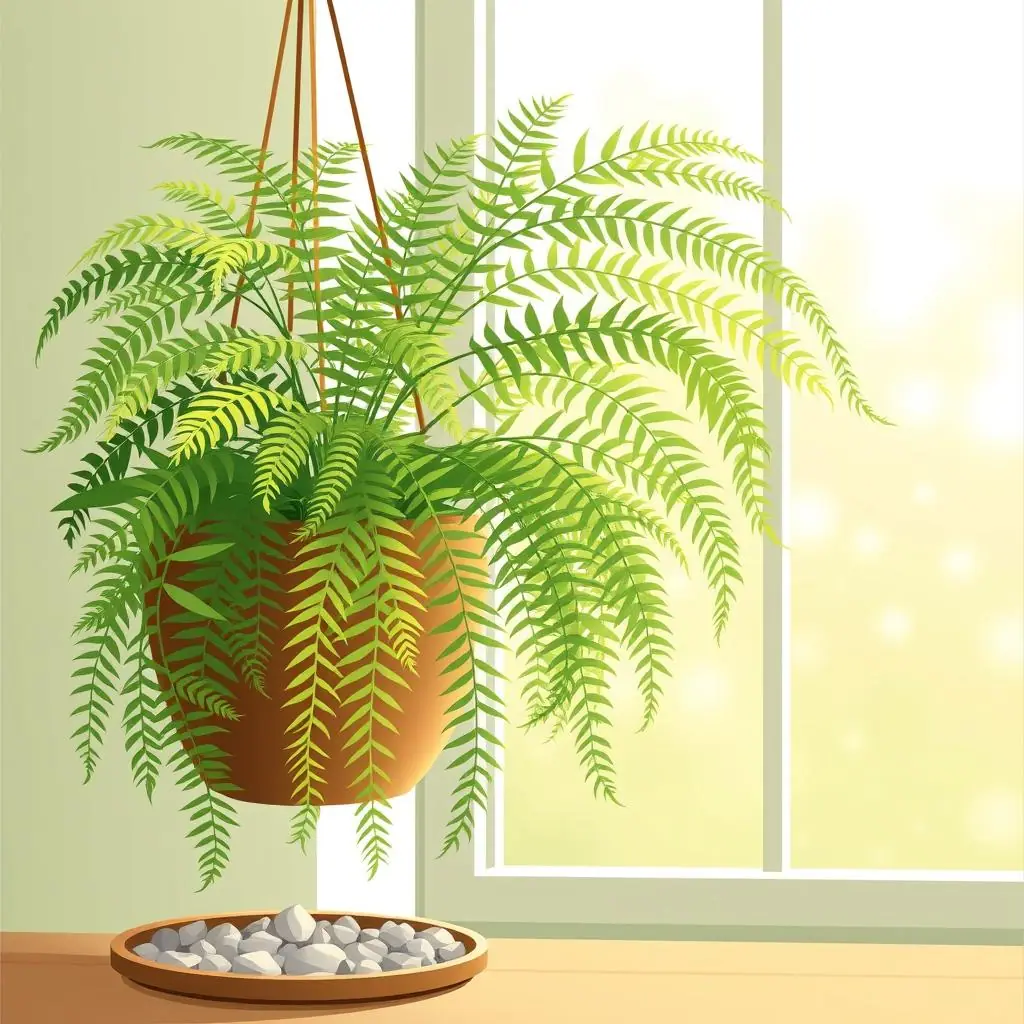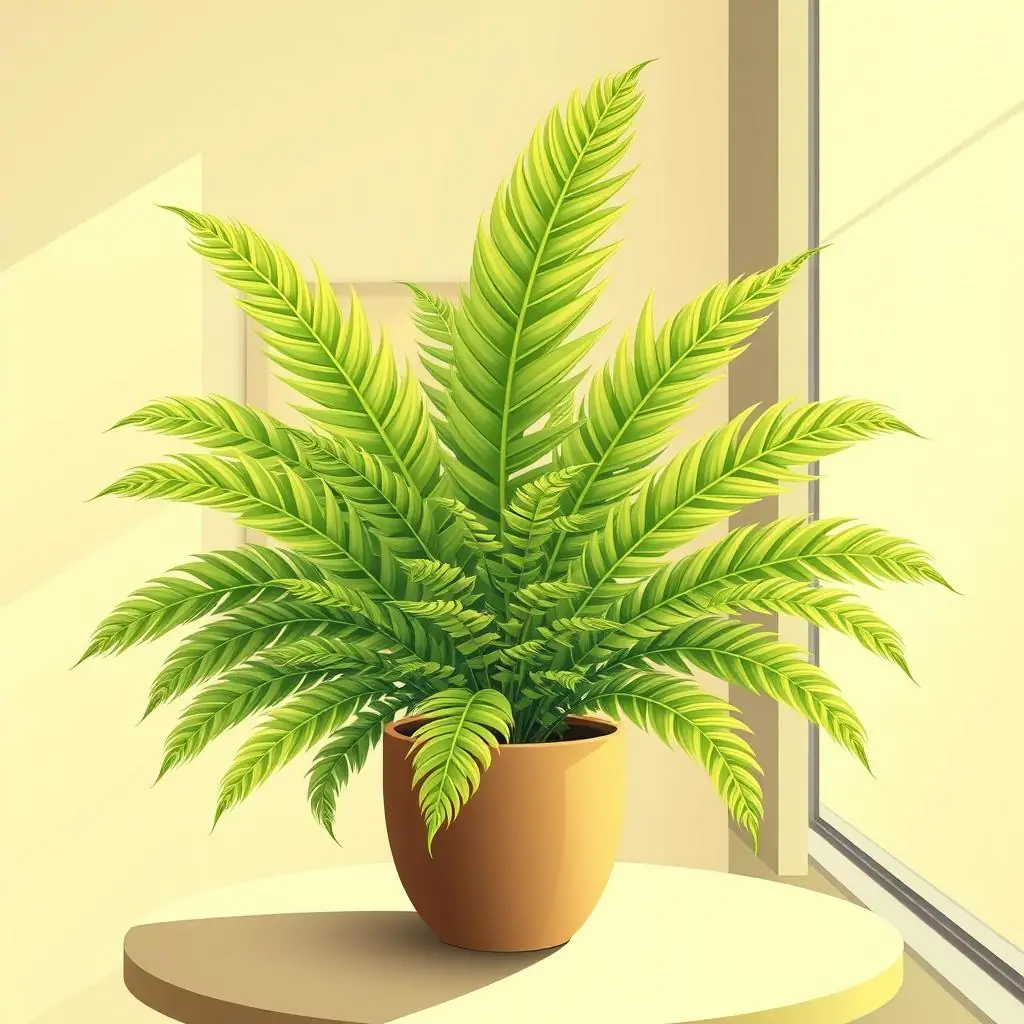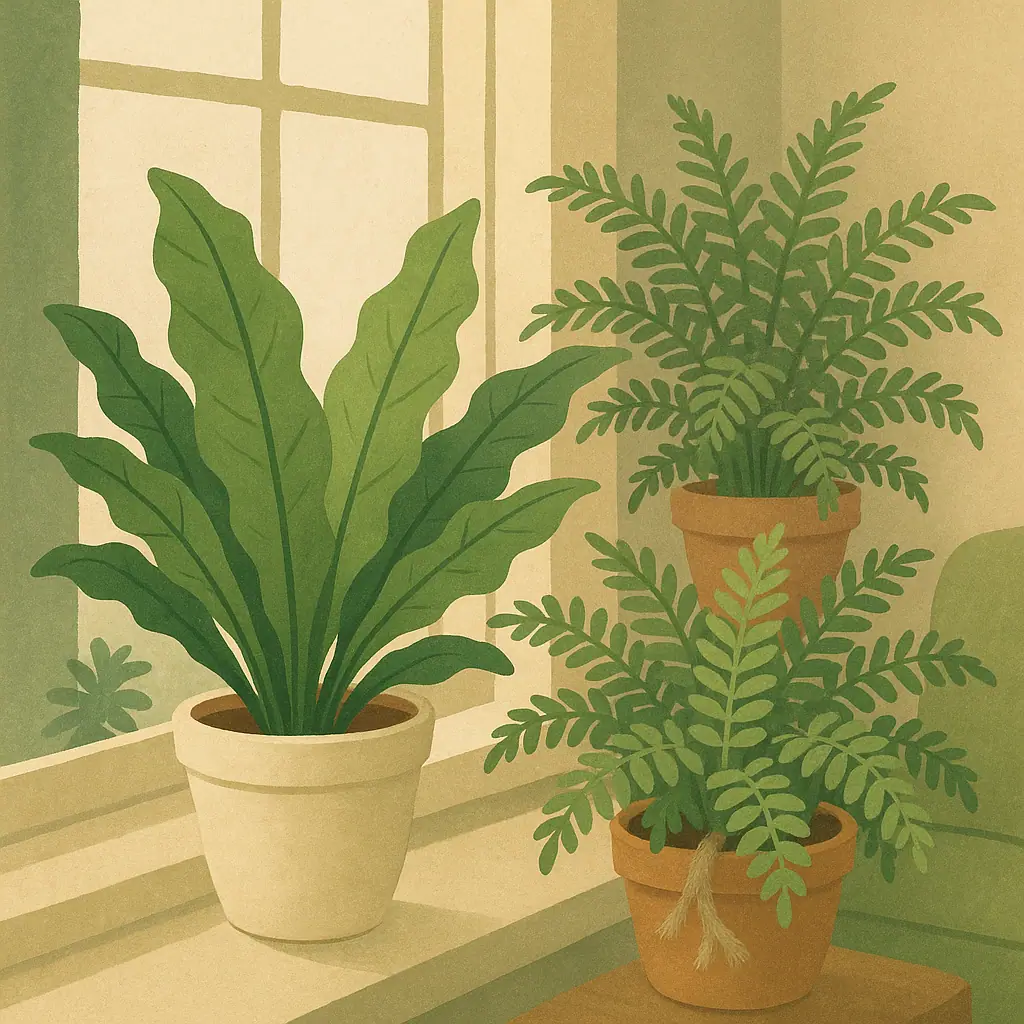
Choosing ferns for a north-facing window is a gentle way to bring greenery into a room that never feels blazing bright. North light is usually soft, steady, and forgiving. It rarely scorches leaves, which is good news for many ferns, but it can also be dimmer than people expect.
The trick is not to treat every north window as the same. A clear, open north window can support several indoor ferns beautifully. A north window blocked by a porch, large tree, neighboring building, or heavy curtain may need a little help from a brighter nearby spot or a small grow light.
This guide focuses on forgiving fern choices and calm placement habits, so your plant gets enough light without being pushed into harsh sun.
Why North-Facing Windows Can Work for Ferns
Many indoor ferns prefer indirect light rather than direct sun. Clemson Cooperative Extension notes that most ferns do well in moderate, indirect indoor light, and that being close to a north-facing window is often ideal for many types. That makes north windows useful for fern lovers who worry about brown, scorched fronds in brighter rooms.
Still, soft light is not the same as no light. The University of Minnesota Extension explains that tropical ferns used as houseplants often grow poorly in truly low-light locations. So the best north window is bright enough for you to read comfortably during the day without turning on a lamp.
The Best Kind of North Light
A good fern window has open sky outside it, a clean glass pane, and no heavy curtains during daylight hours. It may never receive a strong sunbeam, but it should still feel calmly bright.
When North Light Is Too Weak
If the fern grows very slowly, leans sharply toward the glass, or makes pale stretched fronds, the light may be too low. In that case, move the plant closer to the window, rotate it weekly, or supplement with gentle artificial light.
Best Ferns for a North-Facing Window
The best ferns for a north-facing window are usually the ones with a little toughness in their leaves, a forgiving growth habit, and less drama about humidity than very delicate ferns. Start with one plant before filling the whole sill. It is easier to learn one fern's rhythm than to troubleshoot five at once.
Below are reliable choices for beginners, especially in rooms with steady household temperatures and no hot or cold drafts.
- Bird's nest fern: broad, smooth fronds make it easier to read the plant's condition. It likes indirect light and steady moisture without water collecting in the center crown.
- Rabbit's foot fern: its fuzzy rhizomes and lacy fronds give charm without being as fussy as maidenhair fern. It can handle a bright north window well.
- Holly fern: leathery, glossy fronds make this fern more tolerant of normal home conditions than very fine-textured types.
- Dallas fern: a compact Boston fern relative that the University of Minnesota Extension describes as able to survive lower light levels than many Boston fern forms.
- Button fern: neat, rounded leaflets suit small shelves and windowsills, as long as the soil is not allowed to become bone dry.
For a first fern, I would usually choose bird's nest fern, rabbit's foot fern, or Dallas fern. They give you a better chance to build confidence before trying more delicate varieties.
Ferns to Approach Carefully in a North Window
Some ferns look beautiful in photos but can frustrate beginners in ordinary homes. A north-facing window may protect them from sunburn, but it does not automatically provide the humidity, warmth, or consistent care they want.
Maidenhair fern is the classic example. It can look graceful and airy, but it often dislikes dry indoor air and missed watering. Staghorn fern also has more specialized care needs than a simple potted shelf fern. These plants are not impossible, but they are better as a second or third fern once you know your room well.
A Simple Beginner Rule
The finer and more delicate the fronds look, the more closely you should check humidity and watering. The thicker or more leathery the fronds look, the more forgiving the fern often feels in a regular living room.
How to Set Up a North-Facing Fern Spot
Placement matters as much as variety. Put the fern where it can see the window clearly, not tucked behind a lampshade or crowded behind other plants. If the sill is cold in winter, move the pot a few inches back on a plant stand or small table.
Use a pot with drainage holes and a moisture-retentive but airy potting mix. Ferns like even moisture, but they dislike sitting in sour, waterlogged soil. In lower light, soil dries more slowly, so you may water less often than you would near an east or west window.
- Keep glass clean: dusty windows reduce already-soft light.
- Open curtains during the day: sheer curtains are fine, but heavy curtains can make the spot too dim.
- Watch winter drafts: cold glass and leaky frames can stress tropical ferns.
- Avoid radiator heat: warm dry air near the window can brown fern tips quickly.
- Rotate weekly: a quarter turn helps prevent one-sided growth.
Watering Ferns in Lower North Light
North-facing windows often create a slower care rhythm. Because the sun is gentler, the pot may stay damp longer. This is where many beginners accidentally overwater. They follow a calendar instead of the soil.
Feel the top of the mix before watering. If it is still cool and lightly damp, wait another day. If the top feels just dry and the pot feels lighter, water thoroughly until excess runs from the drainage holes, then empty the saucer. This keeps the root zone evenly moist without letting the fern sit in stale water.
Also pay attention to seasons. A north window in July may be bright and comfortable. The same window in December may be dimmer and colder, so the plant may need less frequent watering and a slightly warmer location away from the glass.
Pros and Cons of North-Facing Fern Windows
Lower Risk of Sun Scorch
Soft northern light is less likely to burn delicate fronds than direct south or west sun.
Calm, Steady Placement
A good north window gives ferns a consistent spot without big afternoon heat swings.
Comfortable for Many Rooms
Bedrooms, offices, and quiet sitting rooms often have north windows that suit small fern displays.
Some Spots Are Too Dim
Buildings, porches, trees, and dark curtains can make a north window weaker than a fern can use.
Soil May Stay Wet Longer
Lower light slows drying, so watering by habit can lead to soggy roots.
Frequently Asked Questions
Can Boston fern grow in a north-facing window?
It can, if the window is bright and open, but some Boston fern varieties want more light than a dim north room provides. A compact Dallas fern may be more forgiving.
How close should a fern sit to a north-facing window?
Usually close to the window is best, especially if there is no direct sun. If the glass is cold in winter, move the fern back a little while keeping it in bright view of the window.
Do ferns in north windows need less water?
Often, yes. Lower light usually means slower drying. Check the soil with your finger before watering instead of following a fixed weekly schedule.
What if my fern is leaning toward the window?
A little leaning is normal, but strong leaning can mean the plant wants more light. Rotate the pot weekly and consider moving it closer to the glass.
Final Thoughts
The best ferns for a north-facing window are not necessarily the rarest or fanciest ones. They are the ferns that can enjoy soft indirect light while forgiving normal home conditions: bird's nest fern, rabbit's foot fern, holly fern, Dallas fern, and button fern are all good places to begin.
Start with one fern, watch how quickly the soil dries, and notice whether new growth stays green and sturdy. Once your window proves itself, you can slowly build a calm little fern corner that feels fresh without becoming complicated.