
Mini indoor ferns can bring the softness of a green corner to places where a large plant would feel crowded. A desk, nightstand, side table, or narrow shelf can all hold a small fern if the spot has gentle light, room for air movement, and a simple watering routine.
The key is choosing a fern that stays compact enough for the surface and then watching how it behaves. A small fern can dry out faster than a large one, but it can also be easier to lift, check, rotate, and enjoy up close.
Why Mini Indoor Ferns Work Well in Small Spaces
Mini indoor ferns are useful because they add texture without taking over a room. Their fronds soften hard surfaces, especially near books, lamps, framed photos, or a favorite chair. For many beginners, one small fern is also less intimidating than a full plant stand.
The University of Minnesota Extension notes in its guide to growing tropical ferns indoors that indoor ferns generally do best in medium light, steady moisture, and higher humidity. That is helpful guidance for small-table ferns because the display spot should still meet the plant’s needs, not just look pretty.
Start With the Right Kind of Small Fern
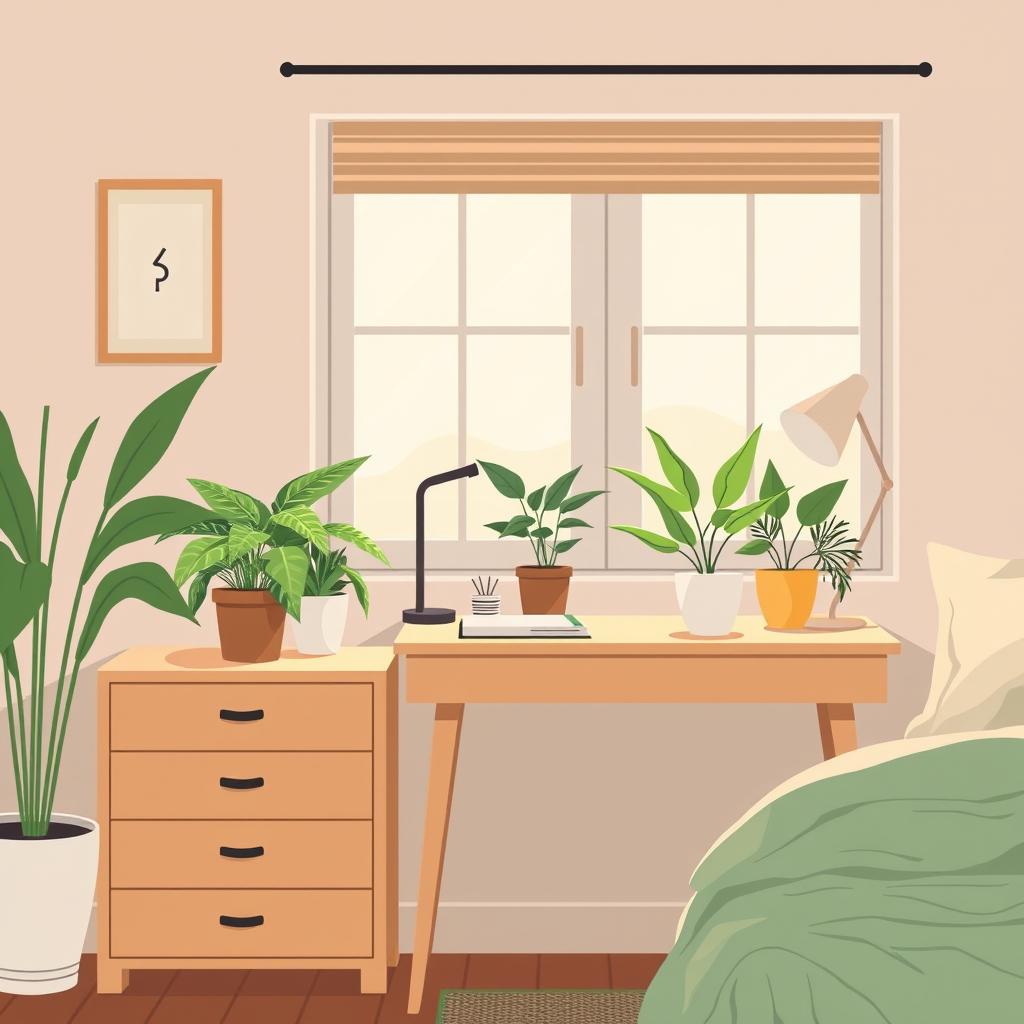
Not every fern sold in a small pot will remain practical on a desk or nightstand. Some are simply young plants that may grow wide later. Others naturally keep a neater shape and are easier to manage in a compact display.
If you want a cheerful, compact option, start by comparing your needs with lemon button fern care. Its small leaflets and tidy habit make it one of the friendlier choices for shelves and small surfaces.
Good qualities to look for
- Compact mature size: Look for plants described as small, dwarf, or naturally neat rather than simply young.
- Flexible light needs: A desk fern should tolerate bright indirect light instead of needing direct sun.
- Easy pot handling: A small pot should be light enough to lift for watering and inspection.
- Healthy fronds: Choose green, springy growth with no sticky residue, heavy browning, or obvious pests.
Small ferns worth considering
Lemon button fern is a strong candidate for tight spaces. Button fern can also work well when you want an old-fashioned, rounded look. A young bird’s nest fern may fit a small table for a while, though it can eventually need more room as the rosette expands.
Before buying any fern for a tight spot, review your light and available surface area. The guide to choosing the right fern for size, light, and space can help you avoid bringing home a plant that quickly outgrows its welcome.
What to Check Before Placing a Fern on a Desk or Nightstand
A small fern is still a living plant with roots, drainage needs, and delicate fronds. Before you set it beside a lamp or alarm clock, take a minute to check the practical details.
- Check the light. Bright indirect light is usually safer than direct sun on a tabletop.
- Protect the furniture. Use a saucer or waterproof liner, but do not let water sit under the pot.
- Leave breathing room. Keep fronds away from hot lamps, vents, and tight walls.
- Think about reach. Put the fern where you can lift it easily without knocking over books or glasses.
- Watch the first week. If fronds droop, crisp, or pale, the spot may need adjustment.
How to Care for Mini Ferns Step by Step
Mini ferns often need a lighter touch than people expect. Their small pots can shift from moist to dry more quickly, so a fixed calendar is less useful than a quick soil check.
Use a fingertip test or lift the pot to feel its weight. Water when the mix is beginning to dry on top but before the whole root ball turns bone dry. When you water, give the pot enough moisture to reach the roots, then let excess water drain away fully.
Rotation also helps. A quarter turn once a week can keep the plant from leaning toward the window. If the fern sits near a reading lamp, make sure heat is not drying one side faster than the other.
Pros and Cons of Mini Ferns on Small Tables
Easy to inspect
A small fern can be lifted and checked closely without much strain.
Softens a room quickly
Fine fronds add calm texture to a desk, nightstand, or side table without needing a large display.
Small pots dry faster
They may need more frequent checking than larger floor plants.
Furniture needs protection
Water rings and hidden saucer water can damage wood if you are not careful.
Common Mini Fern Mistakes to Avoid
The most common mistake is treating a mini fern like decoration only. If the prettiest surface is too dark, too hot, or too close to dry moving air, the plant will start showing stress.
Another mistake is placing several tiny plants close together with no room to check them. A crowded arrangement may look full on the first day, but it can make watering and pest inspection harder.
- Do not let the pot sit in water: Empty the saucer after the plant drains.
- Do not tuck fronds against a wall: Give the plant a little air around the sides.
- Do not guess from the calendar: Check the soil and pot weight before watering.
- Do not keep a struggling fern in place for looks: Move it if the plant is clearly unhappy.
A Simple Mini Fern Checklist
Use this checklist once a week. It keeps care simple and prevents small problems from becoming discouraging.
- Light: Is the fern getting bright indirect light without hot direct sun?
- Moisture: Is the soil lightly moist rather than soggy or bone dry?
- Drainage: Is the saucer empty after watering?
- Shape: Does the fern need a small rotation for even growth?
- Surface: Is the table protected from water and soil crumbs?
When to Move a Mini Fern
Move a mini fern if fronds are crisping quickly, leaning hard toward light, turning pale, or staying wet for too long. These signs usually mean the spot is not quite right, not that you have failed.
If your home has mostly gentle northern exposure, compare your small-space ideas with ferns for a north-facing window. That can help you match the plant to the light you actually have.
Frequently Asked Questions
What mini indoor fern should I try first?
Lemon button fern is a friendly first choice for many small spaces because it stays neat and has a cheerful shape. Always match it with gentle light and steady moisture.
Can I keep a mini fern on a nightstand?
Yes, if the nightstand gets enough indirect light and you can protect the surface from water. If the room is dark most of the day, choose a brighter nearby spot.
How often should I water a small fern?
Check the soil rather than following one fixed day. Small pots may dry faster, so water when the top begins to dry but before the whole pot becomes completely dry.
Can a mini fern stay in the same pot forever?
No. Even small ferns may eventually need fresh mix or a slightly larger pot. If water runs straight through, growth stalls, or roots fill the pot, it may be time to repot.
Final Thoughts
Mini indoor ferns are a lovely way to bring soft greenery to desks, nightstands, and small tables. The best results come from matching the plant to the light, keeping water gentle, and checking the pot before problems build.
Start with one compact fern in one sensible spot. If it stays green, balanced, and easy to care for, you can always add another small fern later.