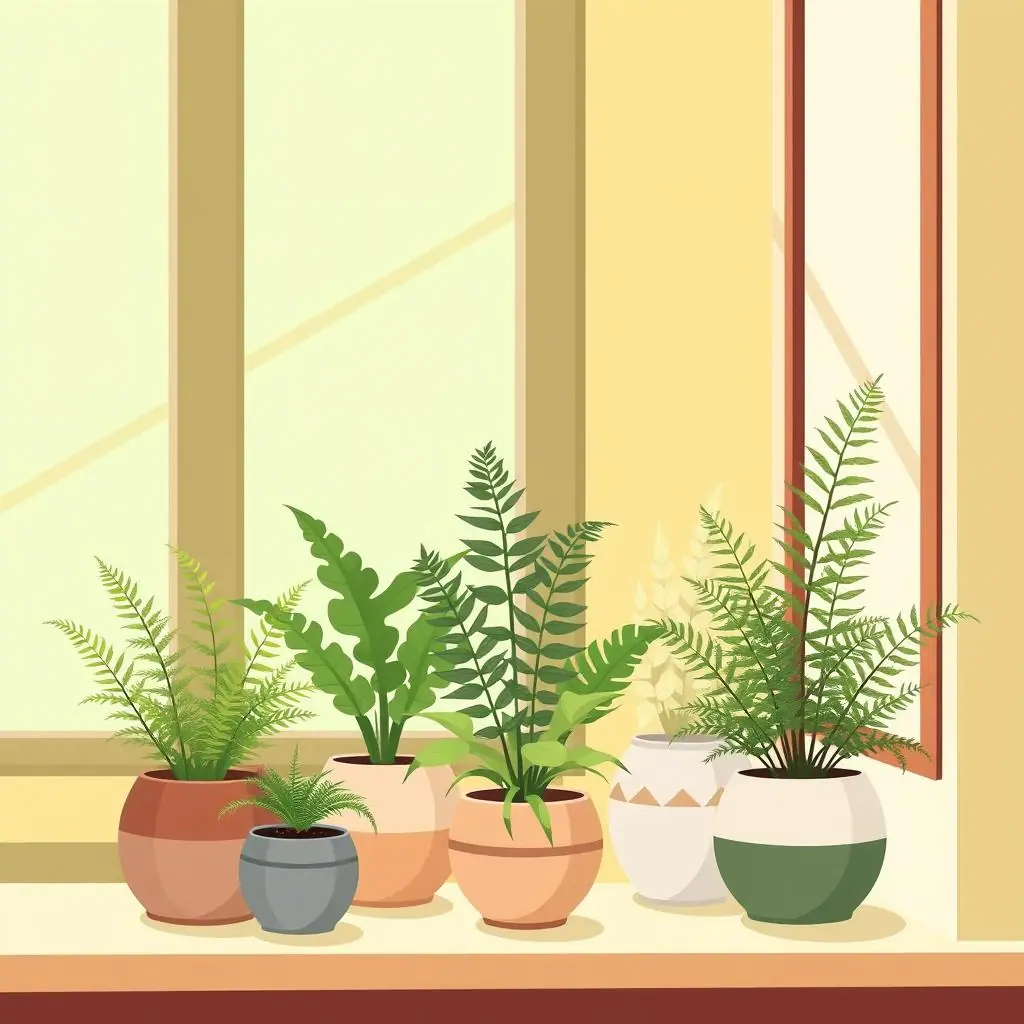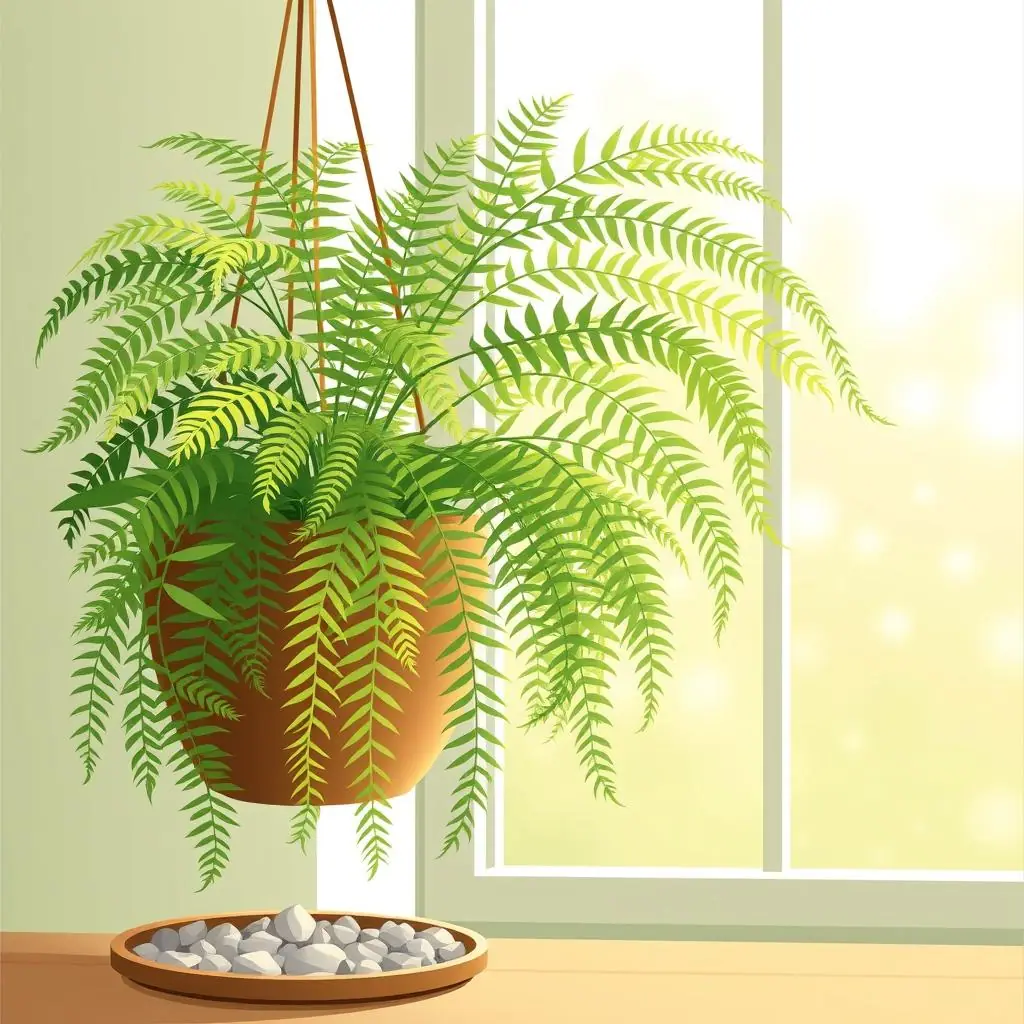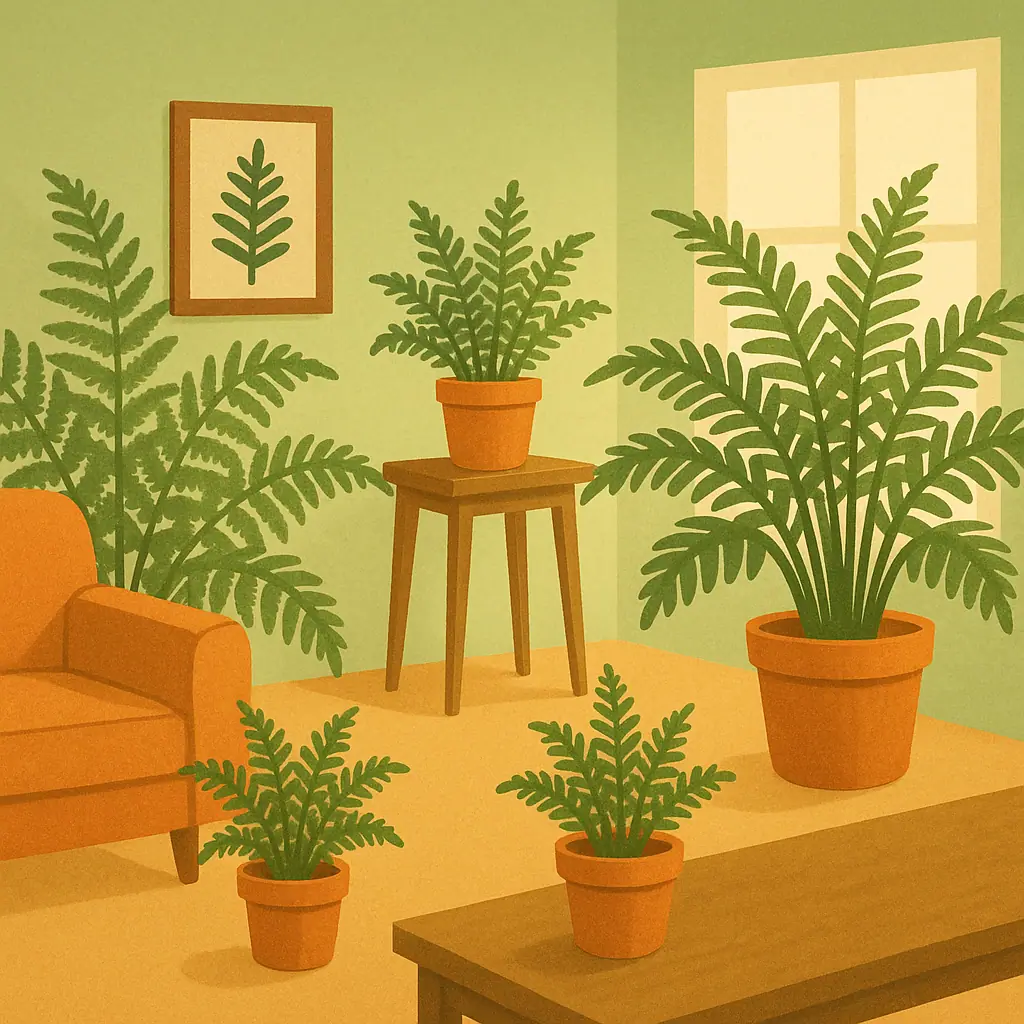
Choosing the right fern for your home can feel overwhelming with so many beautiful varieties available. Whether you're working with a bright living room corner or a cozy apartment bathroom, there's a perfect fern waiting for your space. The key is matching the plant's natural needs with what your home can provide - and understanding that happy ferns make the most stunning indoor displays.
In this guide, we'll walk through the essential factors that determine fern success: available light, space constraints, and maintenance preferences. By the end, you'll feel confident selecting a fern that will thrive in your specific environment rather than just survive.
Understanding Your Available Light
Light is the most crucial factor in fern selection because these forest floor natives have specific preferences. Most indoor ferns prefer bright, indirect light - think of the dappled sunlight filtering through tree canopies in their natural habitat. Direct sunlight can quickly scorch their delicate fronds, turning them brown and crispy.
Low Light Champions
If your space receives minimal natural light, don't despair. Several fern varieties can tolerate lower light conditions and still maintain their lush appearance. The Japanese Holly Fern (Cyrtomium falcatum) stands out here with its glossy, leathery leaves that seem to shine even in dim corners. This tough performer prefers cool temperatures and can handle north-facing windows or spots away from direct light sources.
Maidenhair ferns also work in lower light, though they'll need extra attention to humidity. Their delicate, fan-shaped fronds create an ethereal look that's perfect for adding softness to darker rooms.
Bright, Indirect Light Lovers
Most ferns hit their stride in bright, indirect light - the sweet spot for indoor fern growing. East-facing windows are ideal, providing gentle morning sun without the harsh intensity of afternoon rays. If you have south or west-facing windows, position your ferns a few feet back from the glass, or use sheer curtains to filter the light.
Boston Ferns absolutely love these conditions, rewarding proper light placement with cascading fronds that can reach impressive lengths. Bird's Nest Ferns also thrive here, developing their characteristic glossy, upright fronds that form a natural rosette.
Sizing Up Your Space
Ferns range dramatically in size, from tiny button ferns perfect for desk displays to massive tree ferns that can anchor a room corner. Understanding mature plant size prevents the common mistake of choosing a cute small plant that quickly outgrows its intended spot.
Compact Varieties for Small Spaces
Small apartments and tight quarters call for ferns that stay naturally compact. The Button Fern (Pellaea rotundifollia) tops this list, maxing out at just 12-18 inches tall with adorable round leaflets that give it its name. These work beautifully on shelves, desks, or small plant stands without overwhelming the space.
Lemon Button Ferns stay even smaller - typically under 12 inches - making them perfect for small flats or offices. Their bright green color adds life to any corner without demanding significant floor space.
Statement Plants for Larger Rooms
When you have the room, larger ferns create dramatic focal points that few other houseplants can match. Boston Ferns can develop into impressive specimens reaching 3 feet across with proper care, their graceful fronds creating natural privacy screens or room dividers.
Staghorn Ferns offer unique wall-mounted drama, growing up to 3-4 feet while taking zero floor space. Their unusual antler-like fronds make conversation pieces that work as living art.

Matching Ferns to Your Lifestyle
Beyond physical space, consider your available time and experience level. Some ferns forgive occasional neglect, while others demand consistent attention. Being honest about your plant care habits leads to better choices and healthier plants.
Low-Maintenance Options
New to ferns or frequently traveling? Start with more forgiving varieties that won't punish minor care lapses. Japanese Holly Ferns tolerate irregular watering better than most, thanks to their tougher leaf structure. Bird's Nest Ferns also rank as beginner-friendly, bouncing back from occasional dry spells.
These varieties prefer consistent care but won't immediately decline if you forget to water for a few extra days. They're perfect for building confidence before advancing to more demanding species.
High-Attention Beauties
Maidenhair Ferns represent the high-maintenance end of the spectrum, requiring consistent moisture and humidity to maintain their delicate, lacy appearance. While stunning when happy, they'll quickly show stress through browning fronds if conditions aren't ideal.
These ferns work best for dedicated plant parents who enjoy daily plant care routines and can provide the consistent environment these beauties demand.
Practical Placement Tips
Location affects more than just aesthetics - it determines your fern's health and longevity. The best spots combine proper light with natural humidity sources and protection from environmental stressors.
- Bathroom Placement: Naturally humid from showers, perfect for moisture-loving varieties
- Kitchen Windows: Great light plus cooking humidity, ideal for medium-sized ferns
- Away from Heat Sources: Keep ferns away from heating vents, fireplaces, and radiators
- Air Circulation: Gentle air movement prevents stagnation without creating drafts
- Easy Access: Choose spots where you can easily check soil moisture and mist when needed
Pros and Cons of Popular Fern Choices
Natural Air Purifiers
Ferns naturally filter indoor air while adding humidity to dry environments.
Long-Lived Investment
With proper care, many ferns live for decades, providing years of enjoyment.
Variety of Sizes
From tiny desk plants to large floor specimens, there's a size for every space.
Humidity Requirements
Most ferns struggle in dry indoor air, especially during winter heating season.
Limited Light Tolerance
Very few ferns handle direct sunlight, limiting placement options in some homes.
Sensitivity to Neglect
Unlike some houseplants, most ferns show stress quickly when care lapses.
Frequently Asked Questions
How do I know if a spot has enough light for a fern?
If you can read comfortably in the spot during daytime without artificial light, it's likely perfect. Avoid spots with direct sun patches hitting the area.
Can I keep large ferns in small apartments?
Yes! Choose compact varieties like Button Ferns or Lemon Button Ferns that stay naturally small, or use hanging baskets to maximize vertical space.
What's the easiest fern for absolute beginners?
Japanese Holly Fern or Bird's Nest Fern offer the best combination of attractive appearance and forgiveness for new fern parents.
Should I choose ferns based on current or mature size?
Always plan for mature size. A cute small fern can quickly outgrow its space, creating care challenges and overcrowding.
Making Your Final Choice
The perfect fern for your home balances your space limitations, available light, and personal care preferences. Start by honestly assessing these three factors, then choose accordingly. Remember that a thriving smaller fern creates more visual impact than a struggling large one - success breeds confidence and enjoyment.
Consider starting with one proven variety rather than collecting multiple species immediately. Once you've mastered caring for your first fern and understand its needs, you'll have the experience to expand your collection with confidence. The world of indoor ferns offers endless variety for those who catch the fever!