A fern watering station is a small, tidy place where you keep the simple tools you need to water indoor ferns well. It does not need to be fancy. For many fern owners, especially if lifting pots or carrying dripping plants has become annoying, a good station simply makes care calmer and more consistent.
Ferns often like steady moisture, but they do not like sitting in stale water. That balance can feel tricky when the watering can is in one room, the saucers are in another, and the sink is already full. A simple fern watering station brings the routine together so you can check, water, drain, and clean up without turning plant care into a chore.
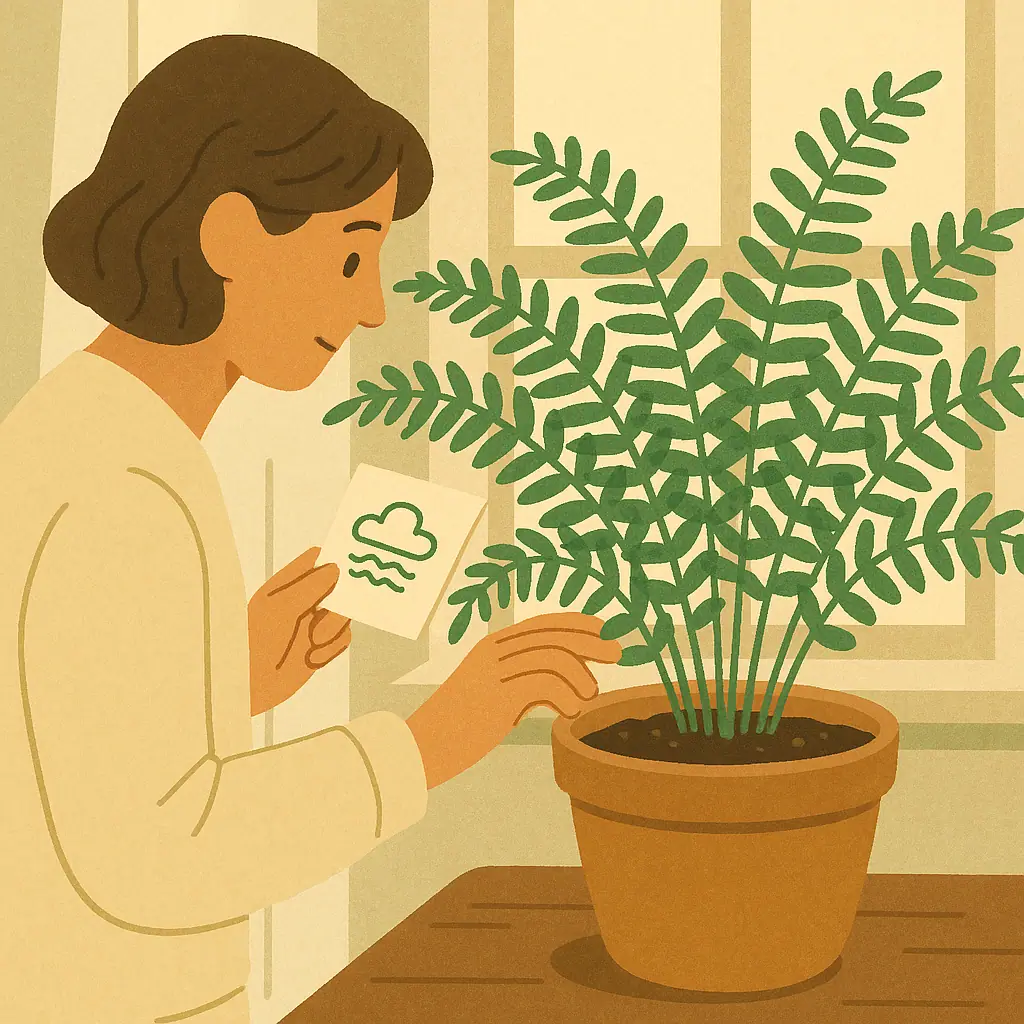
This guide shows you how to set up a practical home station using ordinary supplies, gentle habits, and a routine that respects both the fern and your home. If you enjoy noticing small plant signals, pair this setup with our guide on how to read your fern like a daily weather report.
What Is a Fern Watering Station?
A fern watering station is a dedicated spot for watering and draining your ferns. It might be a laundry sink, a kitchen counter with a tray, a rolling cart near a bright room, or a bathroom area with easy access to water. The important part is not the furniture. The important part is that the station supports the whole watering process from start to finish.
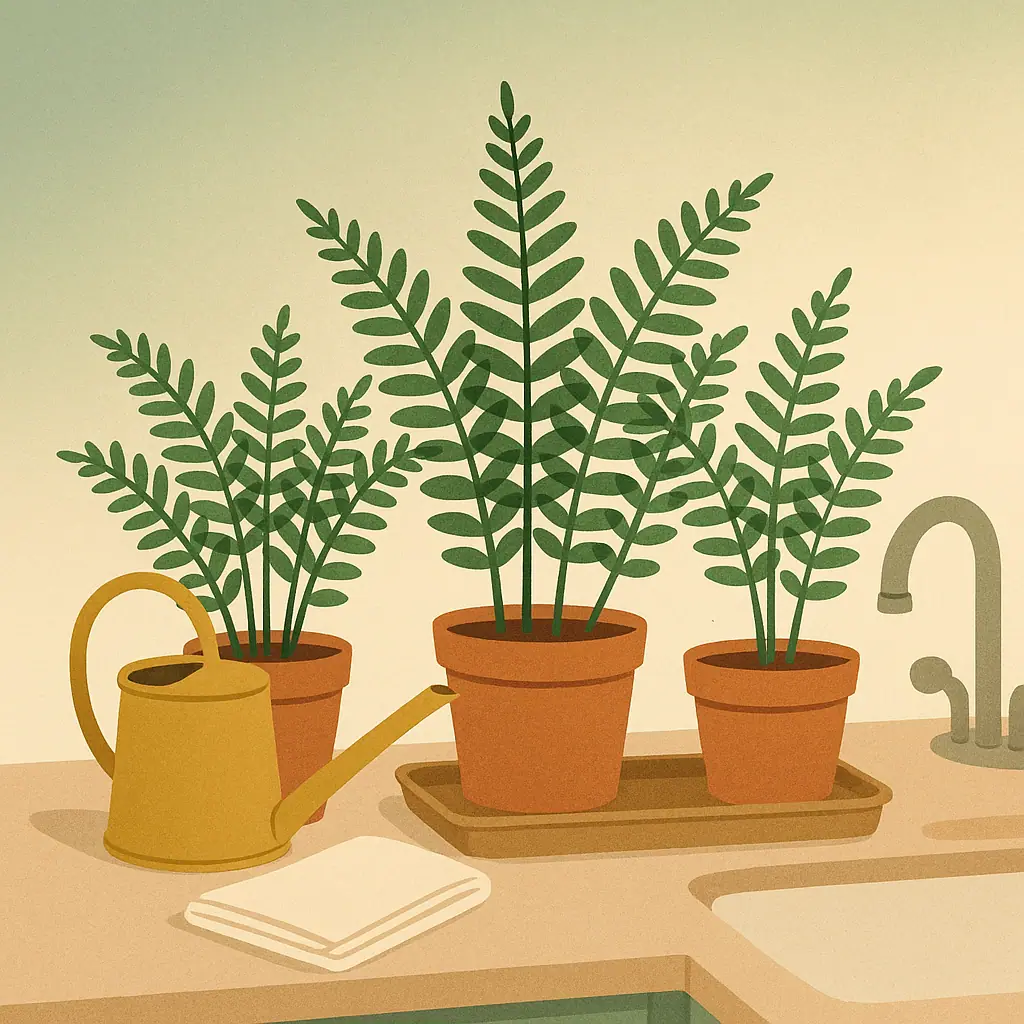
A useful station usually includes:
- A gentle watering can: a narrow spout helps you water the soil instead of splashing fronds.
- A drainage tray or basin: this catches runoff while the pot finishes draining.
- A small towel: use it for wiping pot bottoms, shelves, and accidental drips.
- A moisture-check habit: your finger, a wooden chopstick, or pot weight can help you decide whether watering is needed.
- A place to pause: ferns should have time to drain before they return to decorative saucers or shelves.
Think of it like setting up a tea tray. Everything you need is in one place, so the routine feels slower, cleaner, and easier to repeat.
Why a Fern Watering Station Helps Indoor Ferns
A fern watering station helps because indoor watering is rarely just about adding water. It is also about drainage, air around the roots, room temperature, and paying attention to how fast the potting mix dries.
University of Maryland Extension recommends watering houseplants when they need it rather than by a fixed schedule, because potting media, humidity, and temperature all change how quickly soil dries. University of Minnesota Extension also notes that constantly wet soil lacks air, and roots need oxygen to grow well.
It makes drainage easier to respect
Many fern problems begin after the watering is technically finished. A pot drains into a saucer, the saucer stays full, and the roots sit wet for too long. A station gives the pot a place to drip freely before it goes back to its display spot.
It reduces messy shortcuts
When watering feels inconvenient, it is tempting to splash quickly from above, skip the soil check, or leave a heavy pot sitting in runoff. A station removes several little obstacles. The towel is ready. The tray is ready. The watering can is nearby. That makes the careful choice the easy choice.
How to Set Up a Simple Fern Watering Station
Start with the most convenient water source in your home. For some people, that is the kitchen sink. For others, it is a bathroom, laundry room, mudroom, or a sturdy cart that can roll close to the plants.
You do not need to move every fern to the station every time. Large hanging ferns may be easier to water in place with a removable drip tray below. The station is there to organize the tools and give smaller pots a safe place to drain.
Choose the right surface
Pick a surface that can handle occasional water. A sink is ideal. A plastic boot tray, washable plant tray, or rimmed baking sheet can work on a counter or cart. If the station is near wood furniture, add a waterproof mat underneath and wipe it dry after each use.
Gather only what you will use
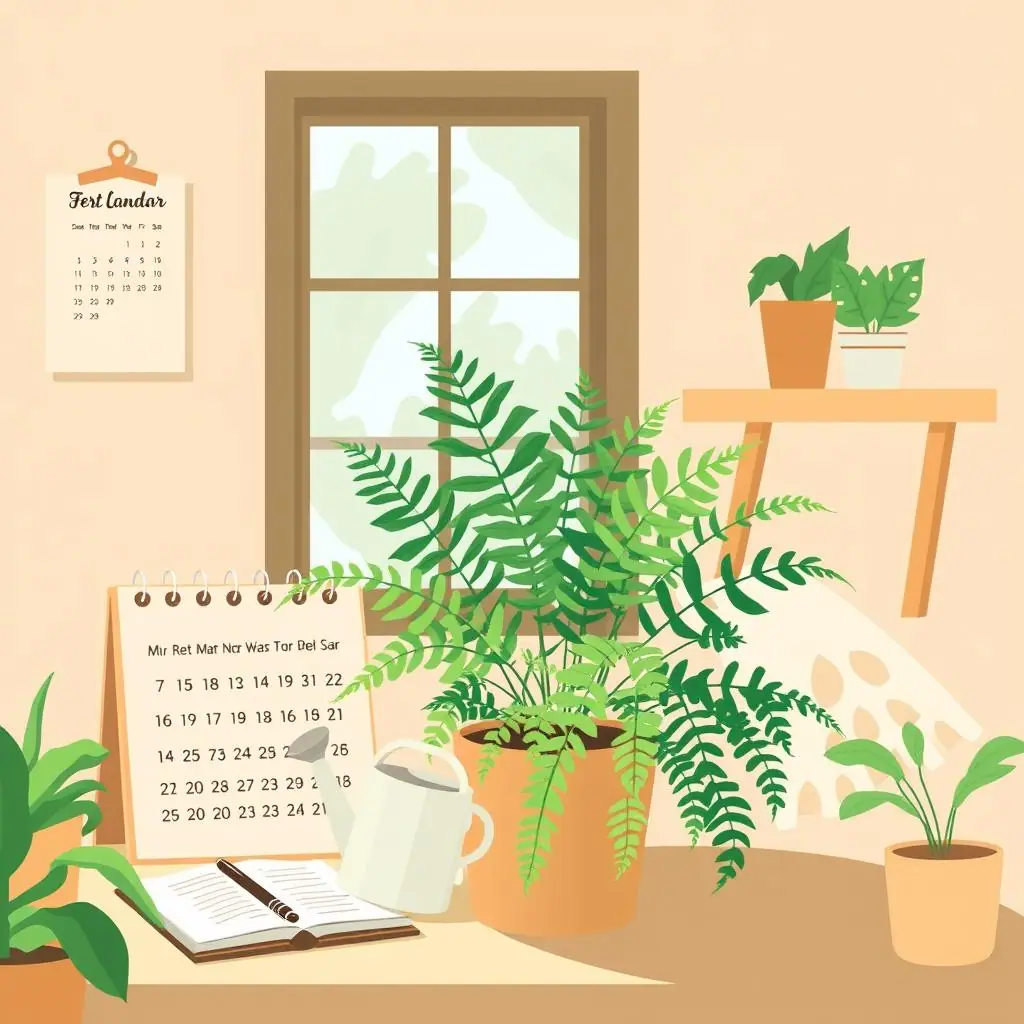
A good fern watering station should stay simple. Too many tools make the routine feel fussy. Begin with a watering can, tray, towel, small scissors for removing fully dead fronds, and a notebook or calendar if you like reminders.
- Use room-temperature water: very cold or hot water can stress houseplant roots.
- Water the potting mix, not the room: aim near the soil surface and move slowly around the pot.
- Let water drain through: runoff helps confirm the root ball was reached, but the pot should not sit in that runoff afterward.
- Empty saucers after watering: check again after 15 to 30 minutes if the pot drains slowly.
- Keep the area clean: damp leaves and spilled soil are easier to manage when wiped up right away.
A Calm Watering Routine for Ferns
Once the station is ready, use it as a repeatable routine rather than a strict schedule. Ferns generally prefer evenly moist potting mix, but the exact timing changes with season, room warmth, pot size, and light. Those seasonal shifts are easier to understand with a simple summer versus winter fern care routine.
First, check the soil. For many indoor ferns, the top layer should not become bone dry for long, but it also should not feel swampy. If the surface feels lightly dry and the pot feels noticeably lighter, water slowly. If the pot still feels heavy and the mix is damp, wait and check again soon.
Second, water thoroughly but gently. Pour near the soil, pause, and let the mix absorb water. If water races down the sides immediately, the mix may be very dry or pulled away from the pot. In that case, water once, wait a few minutes, then water a little more so moisture spreads through the root area.
Third, drain completely. This is where the station earns its place. Let the fern sit in the tray or sink until dripping slows. Wipe the pot bottom before returning it to a saucer, basket, shelf, or plant stand.
Pros and Cons of a Fern Watering Station
Watering becomes more consistent
Keeping supplies together makes it easier to check soil, water slowly, and avoid forgotten steps.
Drainage is easier to manage
A tray or sink gives pots time to drip before they return to shelves, baskets, or decorative saucers.
Cleanup is less stressful
Small spills, loose soil, and wet pot bottoms are simpler to handle when a towel and washable surface are ready.
Large ferns may be hard to move
Big hanging baskets or heavy floor plants may still need to be watered in place with extra protection below.
It can encourage overchecking
If the station feels too inviting, you may be tempted to water before the fern actually needs it.
Frequently Asked Questions
Do I need special equipment for a fern watering station?
No. A tray, towel, and gentle watering can are enough for most homes. The station is about making good habits easier, not buying complicated tools.
Should I bottom-water my ferns at the station?
Bottom watering can help when potting mix is very dry or when fronds make top watering difficult. Let the pot absorb water, then remove it and drain it well. Do not leave it sitting in water all day.
How often should I bring ferns to the watering station?
Bring them when they need checking or watering, not on a rigid calendar. Light, temperature, humidity, and pot size all affect how quickly the mix dries.
Can I use the same station for all my houseplants?
Yes, but remember that not all houseplants want fern-like moisture. Use the station for organization while still checking each plant's individual needs.
Final Thoughts
A simple fern watering station turns plant care into a quieter routine. It keeps your tools close, gives pots a safe place to drain, and reminds you to observe before you water. That small bit of order can make a big difference for both the fern and the person caring for it.
Start with one tray, one towel, and one gentle watering can. If the routine feels easier after a week, you have built the right station.