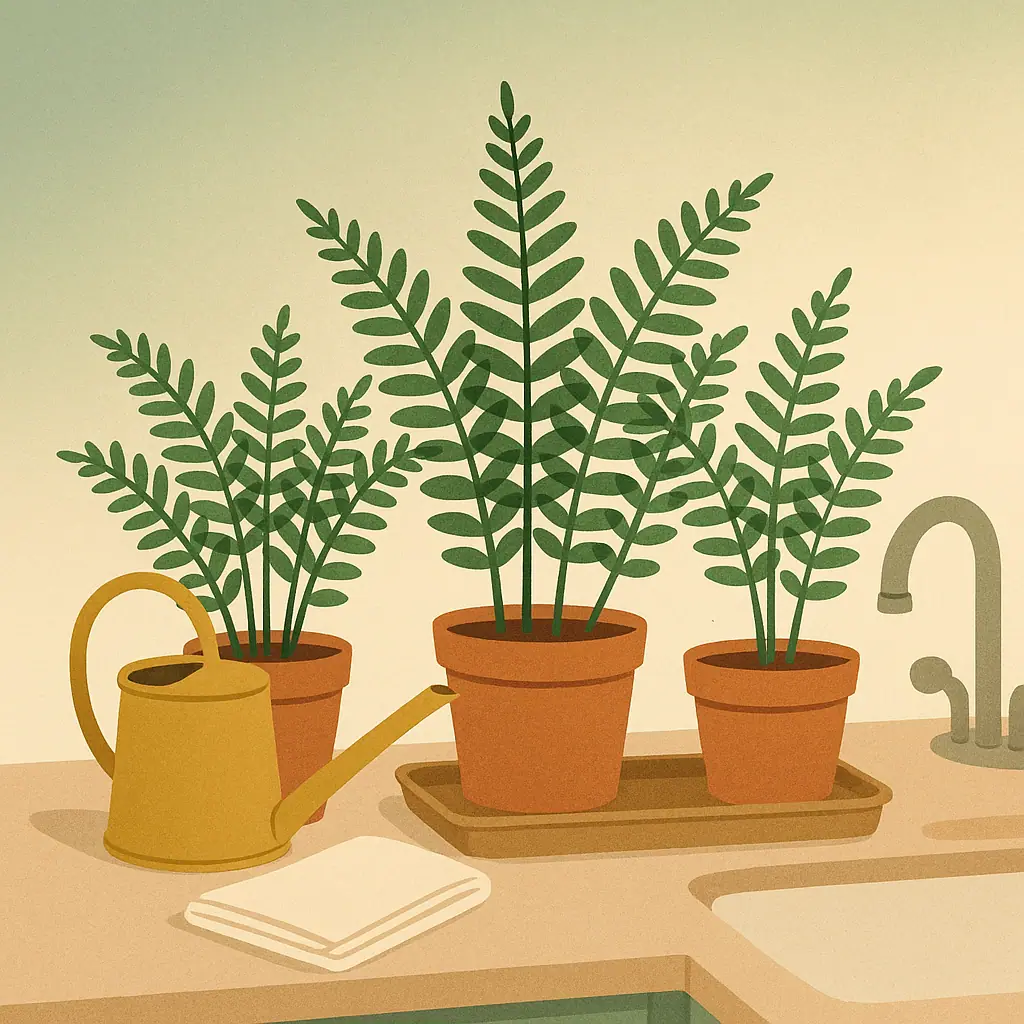
Overcaring for ferns is easy to do when you want your plant to thrive. You notice one drooping frond, a dry tip, or a little yellowing, and your first instinct may be to water, feed, move, mist, prune, or repot right away.
That care comes from a good place. Ferns can look delicate, and many indoor gardeners worry that waiting will make a problem worse. But some ferns need fewer changes, not more. They often respond best to steady light, even moisture, gentle humidity, and a little patience.
Think of your fern like a neighbor who prefers a calm routine. If you knock on the door every hour to ask whether everything is fine, the attention itself becomes stressful. This guide will help you tell when your fern may need a quieter week instead of another adjustment.
Why Overcaring for Ferns Matters
Overcare matters because indoor ferns react to repeated changes. Too much water can keep roots wet. Too much fertilizer can push tender growth before the plant is ready. Too much moving can interrupt the fern just as it begins to adjust to a room.
The University of Minnesota Extension advises indoor plant owners to match plants with the right growing conditions, water properly, use pots that drain well, and avoid letting plants stand in water. Its guidance on managing insects on indoor plants is a helpful outside reminder that good care often means balanced conditions, not constant intervention.
Start With Basic Fern Care
Basic fern care starts with observation. Before you reach for the watering can, fertilizer bottle, scissors, or a new pot, ask what has actually changed. Did the room get warmer? Did the heat or air conditioner turn on? Did you move the fern closer to a window? Did the soil stay wet longer than usual?
A steady routine is often kinder than a busy one. Most indoor ferns appreciate bright indirect light, consistent moisture without soggy soil, and protection from vents, cold drafts, and harsh direct sun. When those basics are mostly in place, the next best step may be to leave the plant alone for a short recovery window.
Signs you may be doing too much
- The soil stays wet: You water again before the top layer has had time to breathe.
- The fern keeps changing places: It never gets a full week or two to settle into one light pattern.
- You prune every imperfect frond: The plant loses green tissue before it can use that energy.
- You fertilize to fix stress: Food is not a rescue tool for roots that are wet, dry, cold, or shocked.
- You react to every small signal: One older yellow frond can be normal, especially if new growth is still healthy.
If watering is the habit you worry about most, FernLog's guide to How to Create a Simple Fern Watering Station at Home can help you make moisture checks calmer and more consistent. A simple setup can reduce guesswork without turning care into a daily emergency.
Why Ferns Look Tired After Moving
A fern that looks tired after moving is not always failing. It may simply be adjusting to a new combination of light, humidity, airflow, and temperature. A few drooping fronds after a room change can be the plant's way of slowing down while it reads the new environment.
This is where many well-meaning owners overcare. They move the fern to one window on Monday, another shelf on Wednesday, a bathroom on Friday, and then back to the living room over the weekend. The fern never gets enough time to show whether the first spot was working.
After a move, choose one sensible place and hold steady. Bright indirect light, no harsh afternoon sun, no heat vent blowing across the fronds, and easy access for soil checks are enough to start. Then observe.
Read Drooping Fronds Before You Change Care
Drooping fronds can mean several things. They can signal dry soil, but they can also appear after overwatering, a sudden move, low humidity, hot air, cold drafts, or simple adjustment. That is why drooping alone should not automatically lead to more water.
Touch the soil before you act. If the top feels dry and the pot feels light, watering may be reasonable. If the soil feels damp or heavy, adding more water may make the fern less comfortable. In that case, give the pot better airflow, empty the saucer, and wait before watering again.
Also look for the pattern. One old frond turning yellow near the base is different from many fronds collapsing at once. A few crispy tips in dry winter air are different from mushy stems or sour-smelling soil. If pruning is your first impulse, pause and read The Gentle Art of Pruning Indoor Ferns before removing too much green growth. The best pruning often starts with restraint.
Light and Humidity Changes to Check First
Light and humidity are two of the most common reasons a fern seems unhappy after you have been caring for it closely. A fern may not need more attention; it may need fewer dramatic changes and a steadier spot.
Bright indirect light is usually safer than direct sun pressed against the leaves. If fronds are pale, curled, or crispy on the window side, the plant may be too close to bright glass. If the fern is stretching, thinning, or leaning hard, the light may be too weak.
Humidity changes can also make a fern look fussy. Instead of misting every time you pass by, try a steadier approach: group plants with similar needs, use a pebble tray that keeps the pot above standing water, or move the fern away from dry forced air. FernLog's guide to Seasonal Fern Care: Summer vs Winter Indoor Needs explains why indoor routines often need quiet seasonal adjustments rather than constant correction.
Give the Fern a Recovery Window
A recovery window is a planned pause. For many mild stress signs, give the fern one to three weeks of stable care before making another major change. During that time, keep the plant in the same suitable spot, check soil moisture before watering, and avoid fertilizing, repotting, or heavy pruning.
This does not mean ignoring the plant. It means observing without interfering too quickly. You can still remove truly dead fronds, empty standing water from the saucer, and protect the fern from strong sun or drafts. The difference is that you are not changing everything at once.
Pros and Cons of Giving a Fern Less Attention
Helps you see the real pattern
When you stop changing everything at once, it becomes easier to tell whether light, moisture, humidity, or placement is the true issue.
Reduces root stress
Waiting until the soil actually needs water lowers the chance of keeping roots too wet for too long.
Builds a calmer routine
A steady habit helps both you and the fern. You learn what is normal instead of treating every small change as a crisis.
Requires patience
A fern may take days or weeks to show improvement, which can feel slow when you want quick reassurance.
Not right for true emergencies
Mushy stems, foul-smelling soil, severe pest activity, or a collapsing plant may need faster diagnosis and help.
A Simple Checklist
Use this checklist when you feel tempted to do three things at once. It keeps care practical and repeatable.
- Soil check: Is the top layer slightly dry, or is the pot still damp and heavy?
- Saucer check: Is water sitting under the pot after watering?
- Light check: Is direct sun touching the fronds for long periods?
- Air check: Is a vent, heater, fan, or draft blowing across the plant?
- Move check: Has the fern changed locations in the last two weeks?
- Pruning check: Are you removing only dead fronds, or are you trimming every imperfect leaf?
- Growth check: Is there any healthy new growth, even if older fronds look tired?
For a broader observation habit, FernLog's guide to How to Read Your Fern Like a Daily Weather Report pairs well with this checklist. The goal is not to fuss more, but to notice better.
When to Get Extra Help
Get extra help if the fern smells sour at the soil line, the base feels mushy, pests are spreading, or the plant declines quickly even after you stop changing its care. A local nursery, plant clinic, or cooperative extension resource can help you sort out whether the problem is watering, pests, roots, or placement.
It is also wise to ask for help before repotting a beloved old fern in a panic. Repotting is useful when the plant truly needs it, but it is not a cure for every droop. If you are unsure, take a photo, note the watering history, and ask a trusted plant person before making a large change.
Frequently Asked Questions
How long can a fern look tired after moving?
A mildly stressed fern may need one to three weeks to settle after a move. Look for gradual steadiness, less drooping, and healthy new growth rather than overnight perfection.
Should I water more if the fronds droop?
Check the soil first. Drooping can come from thirst, but it can also come from wet roots, low humidity, heat, drafts, or recent moving stress.
Is repotting a stressed fern a good idea?
Usually wait unless there is a clear drainage, root, or sour-soil problem. Repotting adds stress, so it is best done for a specific reason.
Where should I place the fern after a move?
Choose stable bright indirect light away from harsh sun, heat vents, cold drafts, and busy walkways. Then give the fern time to adjust before moving it again.
Final Thoughts
Overcaring for ferns is usually a sign that you are paying attention, not that you are doing something wrong on purpose. The skill is learning when attention should become observation instead of action.
Your next step is simple: choose one fern and give it a calm check today. Touch the soil, look at the light, empty any standing water, and then pause. If the plant is mostly steady, less attention may be exactly the care it needs this week.