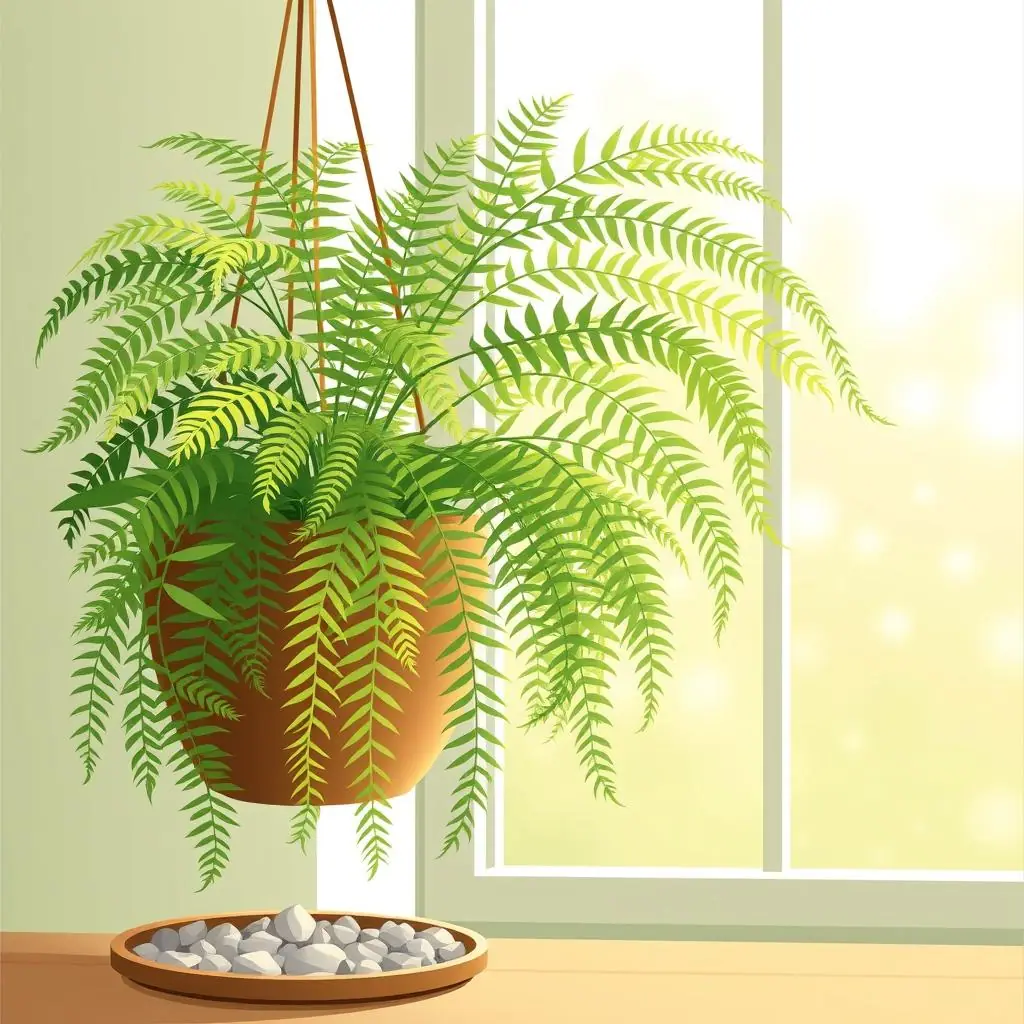
The secret to thriving ferns isn't complex schedules or expensive equipment—it's a consistent 5-minute daily routine that becomes as natural as brewing your morning coffee. While ferns have a reputation for being finicky, the truth is they're quite predictable once you understand their basic needs.
Many plant parents either overwhelm themselves with complicated care schedules or neglect their ferns until problems become obvious. Neither approach works well. The sweet spot is a quick daily check that catches issues early and maintains the consistent conditions ferns crave. This routine is so simple, you'll do it without thinking.
Why Daily Attention Matters for Ferns
Ferns communicate constantly through subtle changes in their appearance and soil moisture. Unlike succulents that can go weeks without attention, ferns thrive on consistency. A daily routine doesn't mean daily work—it means daily awareness.
Think of it like checking the weather before getting dressed. You're not changing the weather, just staying informed so you can respond appropriately. Daily fern checks work the same way: gather information quickly, act only when necessary.
The 5-Minute Daily Routine
This routine works whether you have one fern or twenty. The key is developing a consistent pattern that becomes automatic. Each step takes just a minute or two, and you'll soon do them without thinking.
Step 1: The Finger Test (1-2 minutes)
Start with the most important check: soil moisture. Gently insert your finger about one inch into the potting mix near the edge of the pot, not directly against the plant stem.
- Feels moist: Perfect—no watering needed today
- Feels slightly dry: Time to water, but check humidity first
- Feels dry or hard: Water immediately and consider increasing humidity
- Feels soggy: Skip watering and check for drainage issues
Step 2: Quick Visual Health Check (1 minute)
Scan your fern from top to bottom, looking for changes since yesterday. You're not doing a detailed inspection—just noticing obvious shifts in color, posture, or growth.
Look for healthy signs: upright fronds, vibrant green color, new growth emerging from the center. Notice concerning changes: drooping, yellowing, brown spots, or crispy edges.
Step 3: Humidity Assessment (1-2 minutes)
Check and refresh your humidity strategy. This might mean topping up a pebble tray, adjusting a humidifier, or giving plants a light morning mist if conditions are particularly dry.
Quick humidity indicators: if your fern's leaf tips are browning or curling, humidity is too low. If you see condensation on windows or walls, humidity might be too high and air circulation needs improvement.
What to Look for During Your Daily Check
Training your eye to spot early warning signs is crucial for maintaining healthy ferns. Most problems start small and give plenty of warning before becoming serious.
Positive signs to celebrate:
- New growth: Unfurling fronds or fresh green shoots emerging from soil
- Firm, upright fronds: Indicate proper moisture and light levels
- Even color: Vibrant green throughout most of the plant
- Clean leaves: Free from dust, pests, or unusual spots
Early warning signs to address:
- Slight drooping: May need water or higher humidity
- Leaf tips turning brown: Usually indicates low humidity or fluoride in water
- Pale new growth: Could signal insufficient light
- Dust accumulation: Reduces photosynthesis efficiency
Early problem detection
Catch issues while they're still easy to fix
Consistent care
Ferns thrive with predictable attention
Deeper plant connection
You'll learn your ferns' individual personalities
Overthinking every detail
Five minutes means quick observation, not analysis
Reacting to normal changes
Some leaf yellowing and dropping is natural
Inconsistent timing
Random checks create stress for both you and plants
When to Take Action vs When to Wait
The hardest part of daily plant care is knowing when to intervene and when to let nature take its course. Overreacting to every small change can stress plants more than the original issue.
Act immediately when you see: Completely dry soil, severe wilting, obvious pest activity, or rapid color changes. These situations can worsen quickly and benefit from immediate attention.
Monitor but wait when you notice: Single yellow fronds, slight changes in growth rate, minor dust accumulation, or gradual seasonal adjustments. These often resolve naturally with time and consistent care.
The 24-hour rule: Unless you see severe stress signals, give any changes 24 hours to stabilize before making adjustments. Plants often recover from minor stress on their own when given consistent basic care.
Building Your Personal Routine
The most successful daily routines fit naturally into your existing schedule. Find a time when you're already near your plants and link fern care to an existing habit.
Morning routine (recommended): Check ferns while your coffee brews or after brushing your teeth. Morning light makes it easier to assess plant health, and any needed watering gives plants all day to absorb moisture.
Evening routine: Include plant checks in your wind-down activities. Evening care works well if you prefer to water at night or if morning schedules are too rushed.
The key is consistency over timing. Choose a time you can maintain seven days a week, including weekends and holidays. Plants don't understand calendar schedules—they respond to predictable care.
Simplifying Multiple Plant Care
If you have several ferns, organize your space to make daily checks efficient. Group plants with similar needs together, keep a small watering can nearby, and arrange them so you can see all plants during a single walk-through.
Consider creating stations: humidity-loving plants near the bathroom, lower-light tolerant varieties away from windows, and the most attention-needy specimens where you'll see them daily.
Seasonal Routine Adjustments
Your 5-minute routine stays the same year-round, but what you observe and act on changes with the seasons. Summer might mean more frequent watering decisions, while winter focuses heavily on humidity management.
Summer focus: Check soil moisture daily, watch for heat stress signs, ensure adequate humidity despite air conditioning.
Winter focus: Monitor humidity levels closely, assess light adequacy, check for heating-related stress signals.
The routine itself remains constant—your responses adapt to seasonal needs.
Frequently Asked Questions
What if I forget my daily routine?
Don't panic—ferns are more forgiving than you think. Just resume your routine the next day. Consistency over time matters more than never missing a single day.
Should I do this routine when traveling?
Ask a plant-sitter to do basic soil moisture checks every 2-3 days, or invest in self-watering systems for trips longer than a week.
Is 5 minutes really enough for good plant care?
Yes, when done consistently. You're not doing everything daily—just monitoring and maintaining. Deep cleaning, repotting, and major care happen weekly or seasonally.
What if my ferns need different care schedules?
Check all plants daily but respond to each one's specific needs. A Boston fern and maidenhair fern might need different watering frequencies, but both benefit from daily observation.
Final Thoughts
A daily fern care routine isn't about doing more work—it's about working smarter. Five minutes of consistent attention prevents problems, builds confidence, and helps you develop an intuitive understanding of your plants' needs.
Start small if this feels overwhelming. Begin with just the soil moisture check for a week, then add the visual inspection, and finally incorporate humidity management. Before long, you'll do all three steps automatically, and your ferns will reward your consistency with lush, healthy growth.
Remember, the goal isn't perfection—it's progress. Your ferns will thrive with good-enough care delivered consistently rather than perfect care given sporadically. Trust the process, stay consistent, and enjoy watching your plants flourish under your attentive care.