Crocodile fern care starts with one pleasant surprise: this fern looks fancy, but its daily needs are not mysterious. The plant is loved for bright green fronds with a raised, patterned surface that can look a little like crocodile skin. That texture is the main reason people notice it across a room.
At home, the goal is to keep that texture firm, green, and gently glossy without chasing perfection. Crocodile fern appreciates bright indirect light, steady moisture, high humidity, and a potting mix that drains well. If you can observe those four things calmly, you can usually care for this plant without panic.
Think of it as a tropical fern that wants a comfortable room, not a harsh window or a soggy pot. A small weekly check is often better than a big correction after the plant already looks stressed.
Why Crocodile Fern Care Matters
Crocodile fern care matters because the leaves show stress in subtle ways. A dry room may lead to crispy edges. Strong direct sun can make the fronds look faded or tired. Soil that stays wet too long can quietly bother the roots before the top growth tells the full story.
North Carolina State Extension's Plant Toolbox describes Microsorum musifolium as a tropical epiphyte fern that prefers bright indirect light to shade, moist well-drained organic mix, high humidity, and warm indoor temperatures. That gives a simple care map: gentle light, moisture with air, and protection from cold drafts.
What Makes Crocodile Fern Different
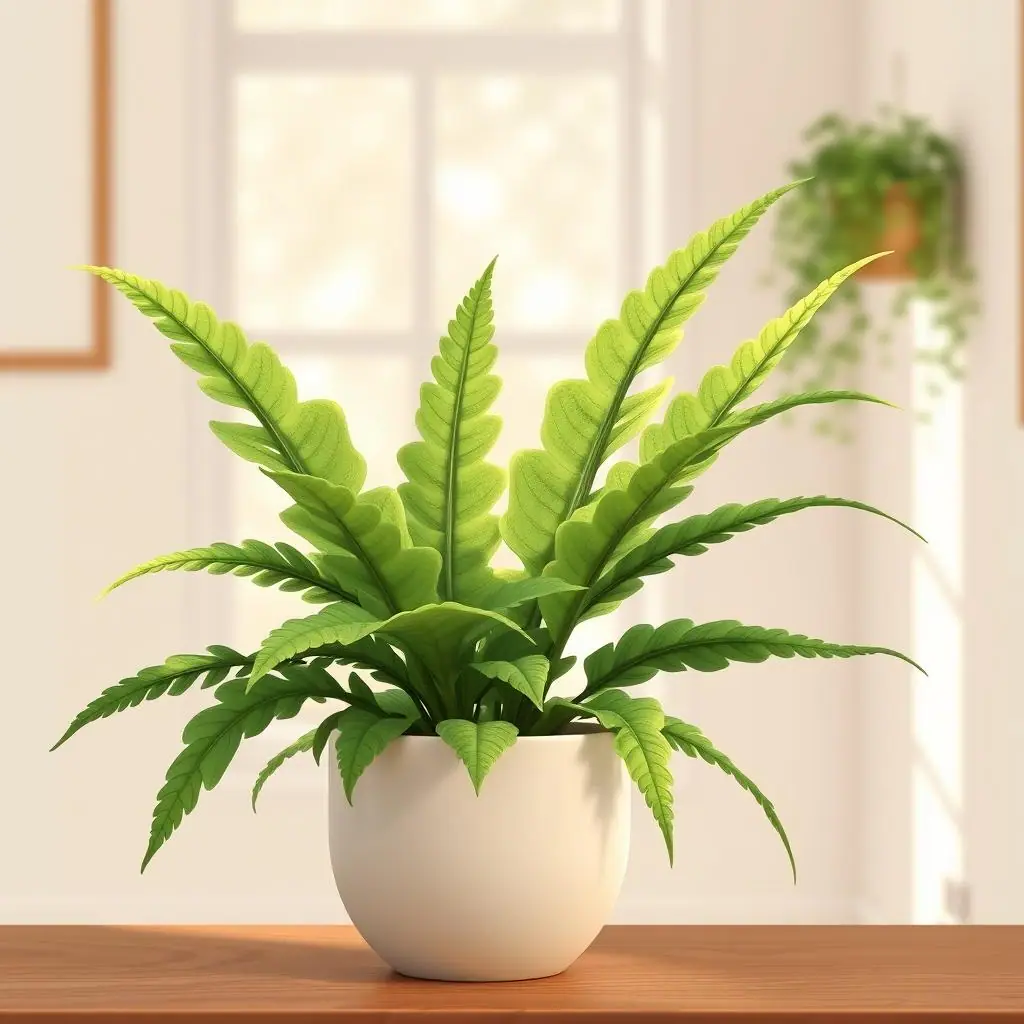
Crocodile fern, often sold under names like crocodile fern or alligator fern, is valued for its textured fronds. The pattern is part of the plant's charm, so do not mistake every raised line or uneven surface for damage. Healthy fronds can look sculpted, slightly leathery, and very different from the soft feathered look of a Boston fern.
If you enjoy compact ferns with a clear personality, you may also like FernLog's guide to Lemon Button Fern Care: A Cheerful Small Fern for Shelves. That plant has a smaller, rounder texture, while crocodile fern has wider patterned fronds that feel more dramatic.
Best indoor impression
Crocodile fern looks especially nice where the leaf surface can be seen up close: a plant stand, side table, bright bathroom shelf, or calm corner near filtered light. It does not need to be tucked behind taller plants. Give the fronds room to spread so the texture remains visible.
What normal growth can look like
New fronds may emerge softer and lighter before they settle into a stronger green. Older fronds can age at the base over time. What you do not want is a pattern of many crispy edges, limp fronds, sour-smelling soil, or a plant that keeps declining after each watering.
Light for Crocodile Fern Care
Light is the easiest place to begin. Crocodile fern generally does best in bright indirect light. That means the room is naturally bright, but the leaves are not sitting in a strong beam of hot sun for hours. Morning light near an east-facing window can be kind. A spot several feet back from a brighter window may also work.
Direct afternoon sun through glass can be too harsh. If the window side of the plant dries faster, fades, or develops crispy patches, move the pot back or add a sheer curtain. If the plant stays dark, still, and slow for many weeks, it may need a brighter room.
- Good light: Bright room light with no harsh afternoon sun on the fronds.
- Too much light: Pale patches, dry tips, or fronds that look tired on the window side.
- Too little light: Very slow growth, weak color, or fronds leaning strongly toward the window.
- Safe adjustment: Move the plant in small steps and watch for two weeks before changing something else.
Watering, Humidity, and Soil
Crocodile fern likes moisture, but moisture should not mean a heavy, airless pot. Water when the surface of the potting mix begins to feel dry, then let extra water drain out fully. Empty the saucer after the pot finishes draining. This keeps the root area moist but not constantly sitting in water.
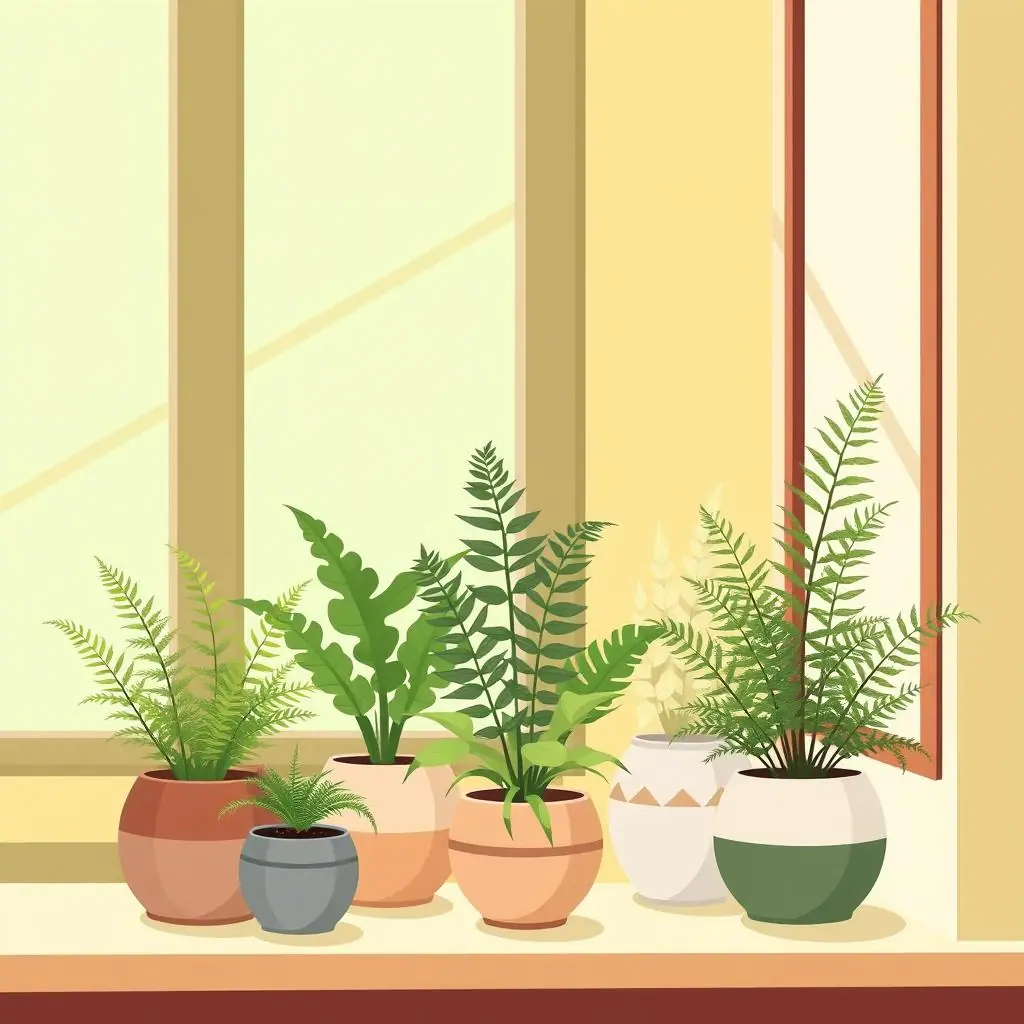
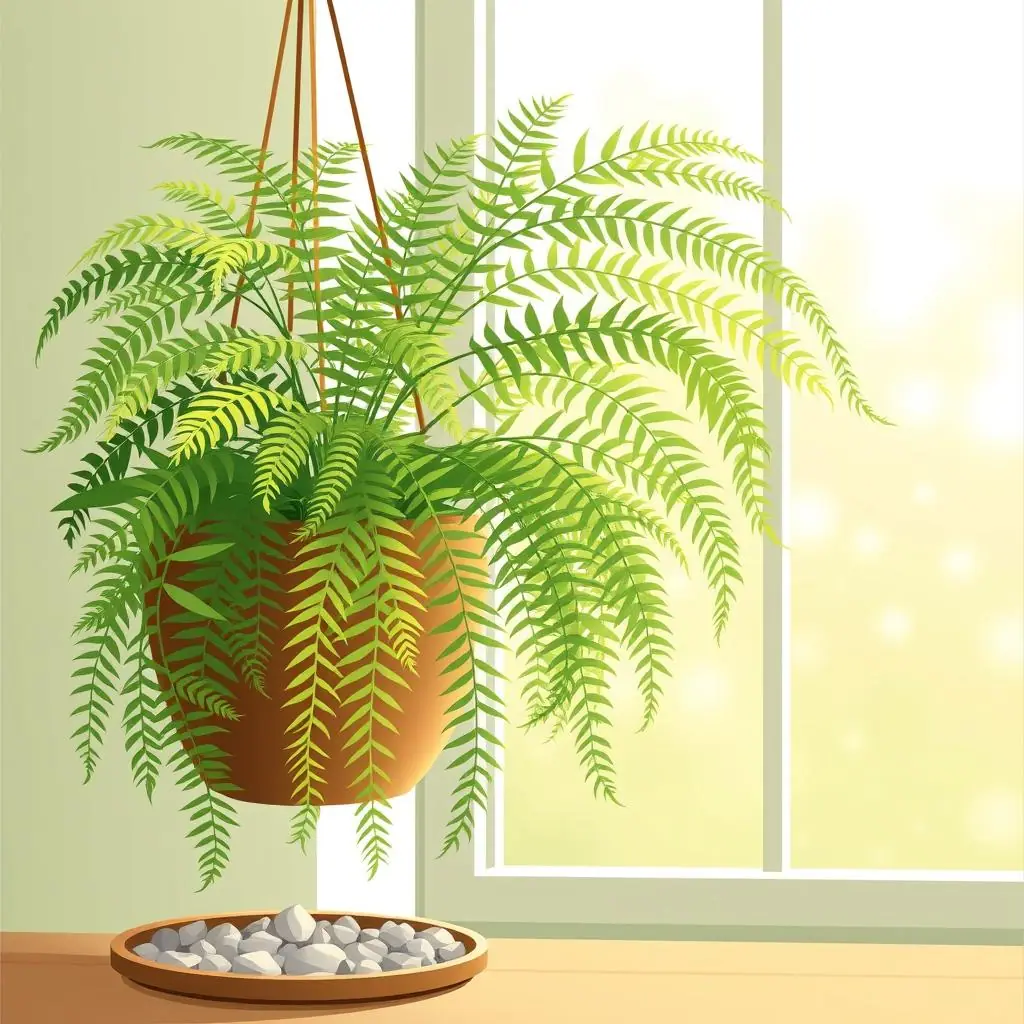
Humidity is also important. A bathroom with gentle light can be excellent if it is not cold or dark. In a normal room, grouping plants, using a pebble tray, or running a small humidifier nearby can help during dry indoor months. Misting alone may feel satisfying, but it usually does not replace a steadier humidity plan.
For the potting mix, aim for rich and loose rather than dense. A houseplant mix amended with orchid bark or perlite can hold some moisture while still letting air reach the roots. That balance is especially helpful for a fern that enjoys moisture but dislikes being waterlogged.
Step-by-Step Crocodile Fern Care Routine
Use this routine when you bring home a crocodile fern or when you want to reset care after a confusing week.
- Choose gentle light: Place the plant in bright indirect light, away from hot afternoon sun, cold drafts, and heating vents.
- Check the pot: Make sure the container has drainage holes and that water can leave the pot easily.
- Feel the soil first: Water when the surface begins to dry, not just because a fixed day of the week arrived.
- Water thoroughly: Let water run through the mix, then allow the pot to drain before returning it to a saucer or cachepot.
- Support humidity: Use a pebble tray, nearby plants, or a humidifier if the room becomes dry.
- Clean gently: Dust textured fronds with a soft damp cloth, supporting the leaf with your other hand.
- Feed lightly: During active growth, use diluted balanced houseplant fertilizer sparingly. Skip feeding if the plant is stressed.
- Change one thing at a time: If you move the plant, wait before also repotting, pruning, or feeding.
Comparing Crocodile Fern With Other Textured Ferns
Crocodile fern is a good choice when you want a fern with bold leaf texture rather than fine, feathery softness. It can feel more sculptural than a small shelf fern and less airy than many classic hanging ferns. That makes it useful for a plant lover who wants a visible specimen without needing a huge floor plant.
Another interesting textured choice is silver brake fern, which brings contrast through color and leaf shape rather than the reptile-like surface of crocodile fern. If you are comparing foliage effects, read FernLog's guide to Silver Brake Fern Care: A Bright Accent for Indoor Rooms after you decide where your crocodile fern might sit.
Try not to choose by looks alone. A fern that matches your room's light and humidity will be easier to enjoy than a showy plant forced into a dry, hot, or dim corner.
Pros and Cons of Crocodile Fern Indoors
Distinctive textured fronds
The raised pattern gives the plant character even when it is not flowering or producing dramatic new growth.
Fits calm indoor displays
Its broad green leaves work well on stands, shelves, and bright bathroom corners where the texture can be noticed.
Care is easy to observe
Light, moisture, humidity, and drainage give you a clear set of checks instead of a complicated routine.
Dry air can show quickly
Crispy edges may appear when indoor heating, vents, or very dry rooms pull moisture from the fronds.
Soggy soil is still risky
The plant likes moisture, but a dense mix or standing saucer water can stress roots over time.
A Simple Weekly Checklist
A short weekly check keeps crocodile fern care steady and helps you catch small issues early.
- Light: Are the fronds bright green without direct sun scorch?
- Soil: Is the surface beginning to dry before you water again?
- Saucer: Is leftover water emptied after watering?
- Humidity: Are leaf edges staying soft rather than crispy?
- Air: Is the plant away from vents, heaters, fans, and cold drafts?
- Texture: Does the raised pattern look firm and natural, not limp or faded?
- Changes: Did anything move recently, such as the pot, window covering, heat setting, or watering routine?
When to Get Extra Help
Ask for extra help if the fern declines quickly, the pot smells sour, the base feels mushy, pests spread, or several fronds collapse at once. A local nursery, plant clinic, or cooperative extension resource can help you separate dry air, poor drainage, pests, and root trouble.
Bring simple notes when you ask: where the plant sits, how often you water, whether the pot drains, and what changed in the last month. Clear details are often more useful than one close-up photo of a single brown mark.
Frequently Asked Questions
Is crocodile fern care difficult?
It is not difficult if you can provide bright indirect light, steady moisture, good drainage, and higher humidity. The plant becomes harder in dry rooms or pots that stay soggy.
How often should I water a crocodile fern?
Water when the surface of the potting mix begins to dry. The timing changes with room warmth, light, pot size, season, and humidity.
Can crocodile fern grow in a bathroom?
Yes, a bathroom can work well if it has bright indirect light and stays reasonably warm. Avoid a cold, dark bathroom even if it feels humid.
Why are the edges turning brown?
Brown edges often point to dry air, uneven watering, harsh sun, or stress from a recent move. Check the room and soil before adding fertilizer.
Final Thoughts
Crocodile fern care is mostly about respecting what the textured fronds are telling you. Give the plant gentle light, moisture with drainage, and a more humid pocket of air, then let it settle before making another change.
Your next step is simple: choose a bright indirect spot, check that the pot drains well, and feel the soil before watering. With that calm routine, the patterned leaves can become the quiet highlight of your indoor fern collection.