Maidenhair ferns (Adiantum) have a reputation as divas of the plant world. Their delicate, fan-shaped fronds and graceful appearance can intimidate new plant parents. But here's the truth: with the right approach, these gorgeous ferns can become your most rewarding houseplants.
Think of caring for a maidenhair fern like tending to a cherished friendship. It requires attention, consistency, and understanding their unique needs. Once you establish the right routine, you'll be amazed at how these seemingly fragile plants flourish.
- Consistent moisture: Never let the soil dry out completely
- Bright, indirect light: Morning sun is perfect, avoid afternoon heat
- High humidity: 50-60% humidity keeps fronds happy
- Cool temperatures: 65-75°F is their comfort zone
What Makes Maidenhair Ferns Special
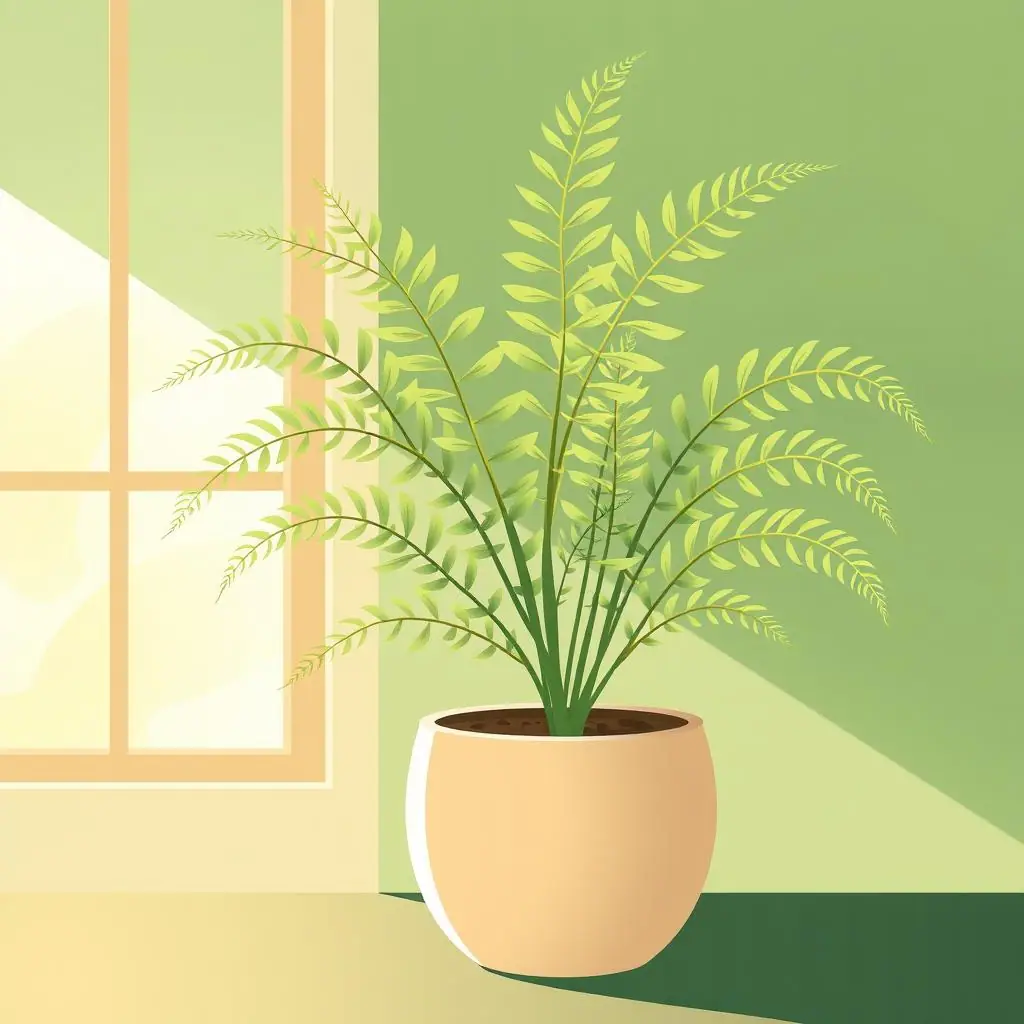
The Adiantum genus includes over 200 species of maidenhair ferns, with delicate fronds that seem to float on thin, black stems called petioles. These stems are actually quite strong – they bend instead of breaking, which helps the plant survive in windy conditions in nature.
What sets maidenhair ferns apart from other houseplants is their origin story. Most houseplants we grow indoors come from tropical regions with consistent warmth and humidity. Maidenhair ferns, however, often grow near waterfalls, stream banks, and shaded rock crevices where the air stays consistently moist and cool.
This natural habitat explains their care requirements perfectly. They're not being difficult – they're simply asking for conditions similar to their woodland homes.
Why This Matters for Your Home
Understanding your maidenhair fern's needs transforms your approach from guessing to confident care. When you know they naturally grow in consistently moist environments, you'll never question whether to water them again.
Many plant parents give up on maidenhair ferns after their first attempt, thinking they're impossible to grow. In reality, over 80% of maidenhair fern failures come from inconsistent watering – either too dry or waterlogged soil. Once you master the moisture balance, these plants become surprisingly resilient.
Essential Maidenhair Fern Care Guide
Creating the right environment for your Adiantum fern doesn't require expensive equipment or botanical expertise. It's about consistent daily habits that become second nature.
Watering Your Maidenhair Fern
The golden rule for maidenhair ferns is maintaining consistently moist (not wet) soil. Check the soil daily by pressing your finger about half an inch down. If it feels dry, it's time to water.
Water slowly until you see water draining from the bottom holes, then empty the saucer after 30 minutes. This ensures the roots get enough moisture without sitting in standing water, which leads to root rot.
Light Requirements Made Simple
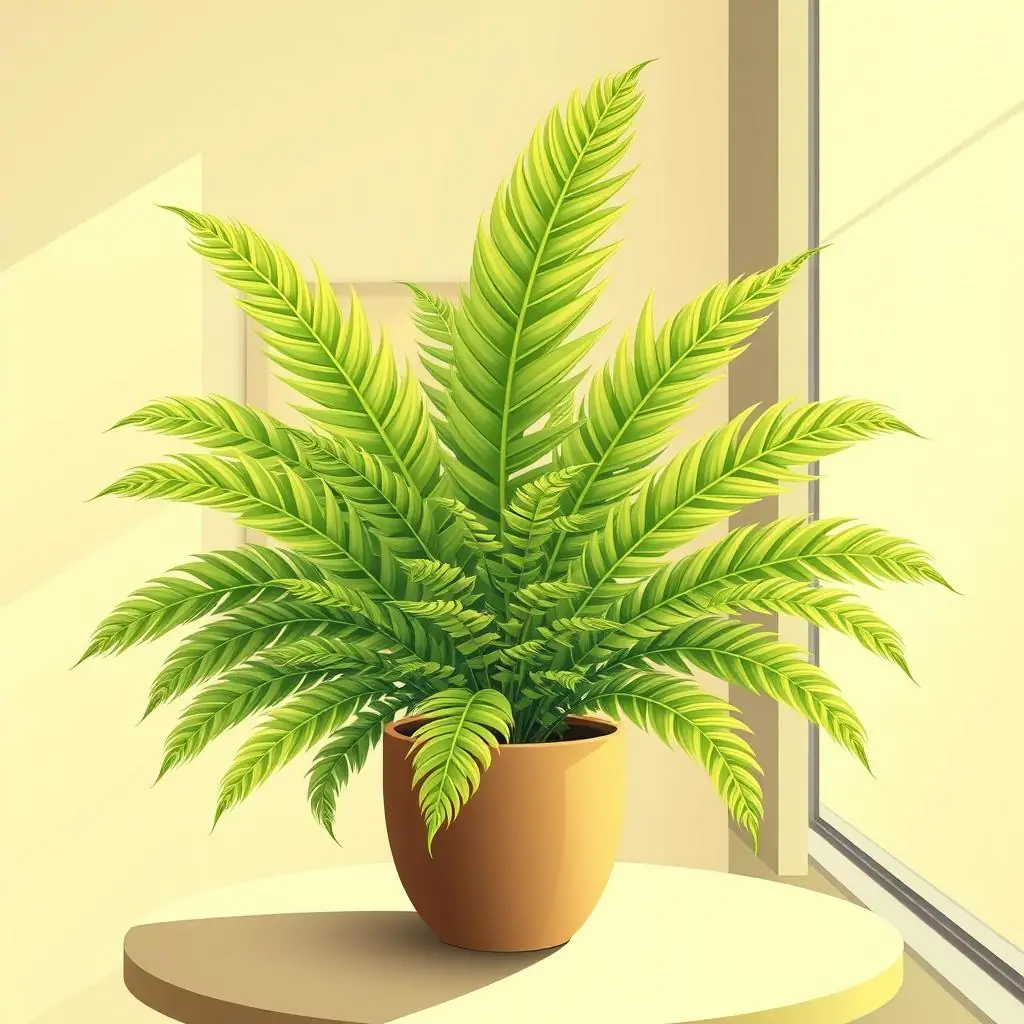
Place your maidenhair fern in bright, indirect light – think of the light you'd get sitting under a tree on a sunny day. A north-facing window is ideal, or a spot 3-4 feet from an east or west window.
Direct sunlight scorches their delicate fronds, turning them brown and crispy. If you notice brown tips appearing, your fern is likely getting too much direct sun.
Humidity Solutions
Maidenhair ferns thrive in 50-60% humidity, which can be challenging in most homes, especially during winter. Here are simple solutions:
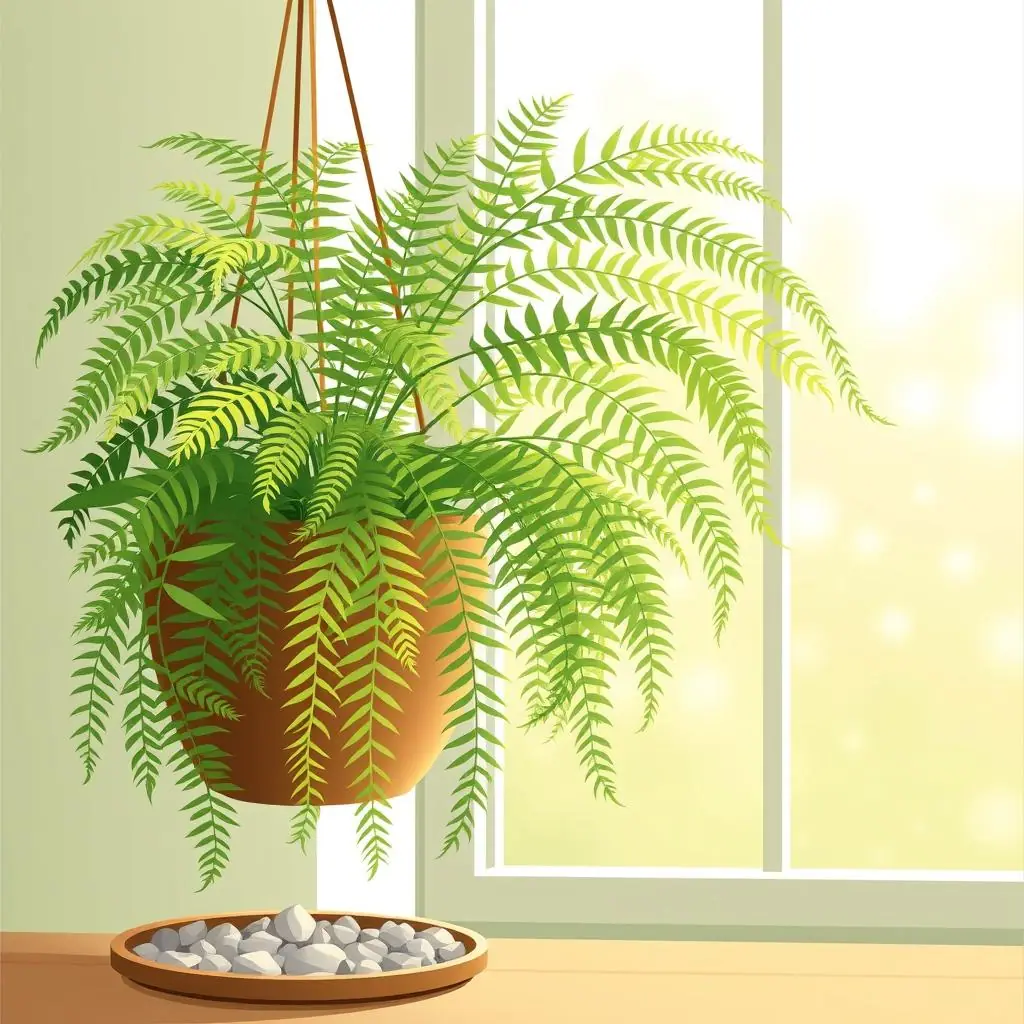
- Pebble tray method: Place a shallow tray filled with pebbles and water under your pot
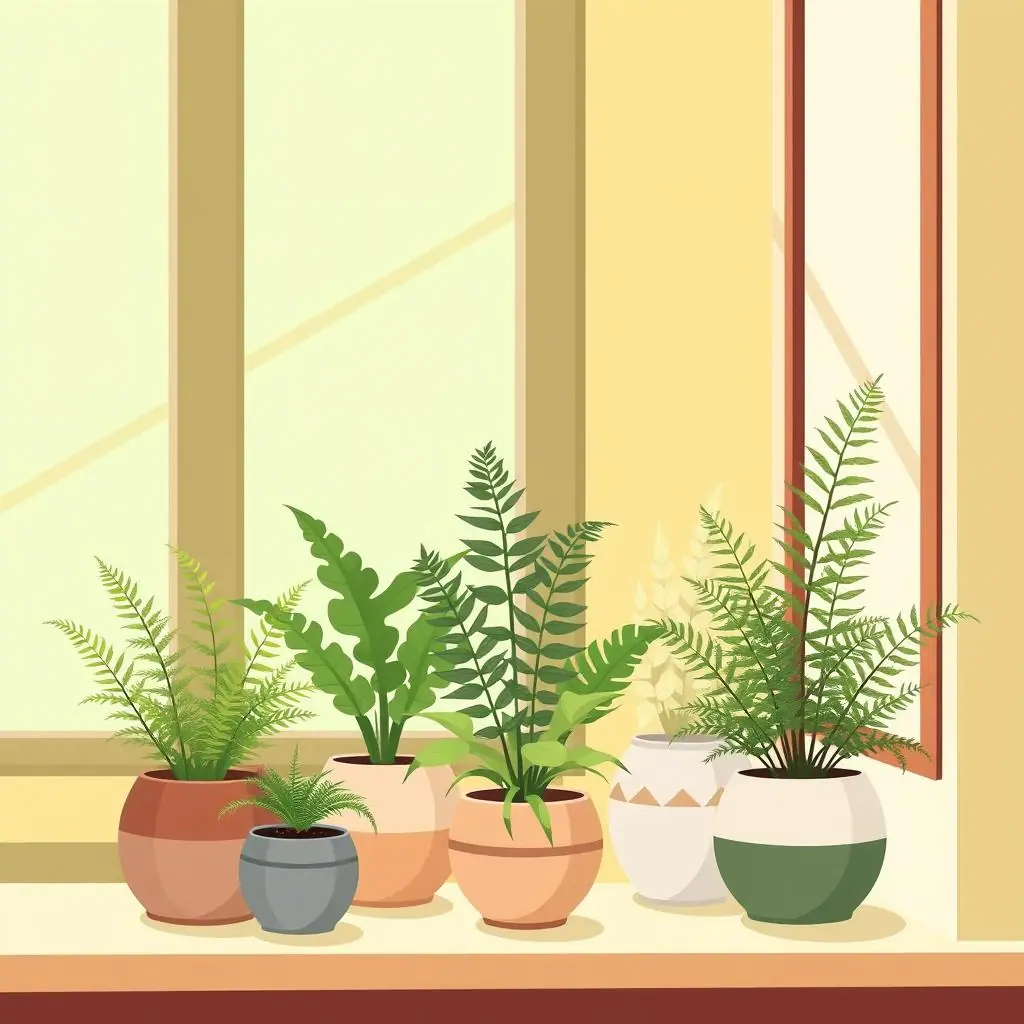
- Group plants together: Plants naturally increase humidity around each other
- Bathroom placement: If you have a bright bathroom, it's perfect for maidenhair ferns
- Small humidifier: A compact humidifier nearby makes a huge difference
Common Care Challenges
Stunning Visual Impact
Their delicate, lacy fronds add incredible texture and elegance to any space.
Air Purifying Qualities
Like most ferns, they help improve indoor air quality naturally.
Rewarding When Thriving
Once established, they produce beautiful new fronds regularly.
Sensitive to Environment Changes
Moving them or changing care routine can cause temporary stress.
Daily Attention Required
They need consistent moisture monitoring, not ideal for frequent travelers.
Humidity Demands
May require additional humidity sources in dry homes.
Practical Daily Care Tips
Success with maidenhair ferns comes from developing simple daily habits. Here's your practical care routine:
- Morning check: Feel the soil moisture level first thing in the morning
- Gentle watering: Use room temperature water, pour slowly around the edges
- Frond inspection: Look for new growth and remove any completely brown fronds
- Humidity boost: Mist around (not directly on) the plant if humidity is low
- Position awareness: Ensure it's still in indirect light as seasons change
Frequently Asked Questions
My maidenhair fern's fronds are turning brown. Is it dying?
Brown fronds usually indicate low humidity or inconsistent watering. Trim off completely brown fronds and adjust your care routine. The plant will recover with proper conditions.
Can I grow maidenhair ferns in my bathroom?
Yes! Bathrooms with bright, indirect light are perfect for maidenhair ferns. The naturally higher humidity from showers creates ideal conditions.
How often should I water my maidenhair fern?
Check daily, water when the top half-inch of soil feels dry. In most homes, this means watering every 2-3 days, but let the soil guide you rather than a fixed schedule.
Why are my maidenhair fern's new fronds small and stunted?
Small new growth usually indicates insufficient light or low humidity. Move to a brighter (but still indirect) location and increase humidity around the plant.
Final Thoughts
Maidenhair ferns reward patient, consistent care with some of the most beautiful foliage in the houseplant world. Yes, they have specific needs, but once you understand their natural habitat requirements, caring for them becomes intuitive.
Remember that every brown frond isn't a failure – it's feedback. Adjust your care routine based on what your plant tells you, and you'll develop a rewarding relationship with one of nature's most elegant ferns.
Start with one healthy maidenhair fern, master its care, and you'll soon find yourself confident enough to add more Adiantum species to your collection. These delicate beauties are worth the extra attention they require.