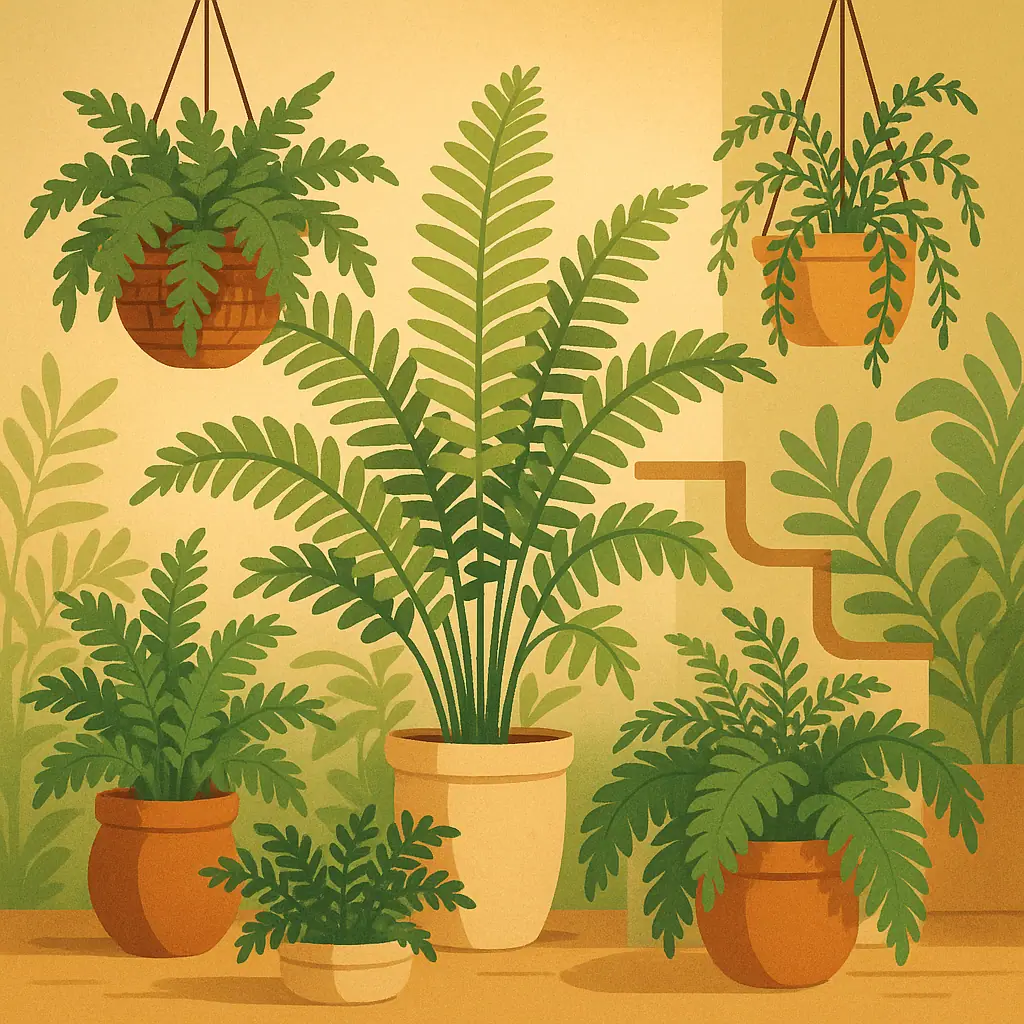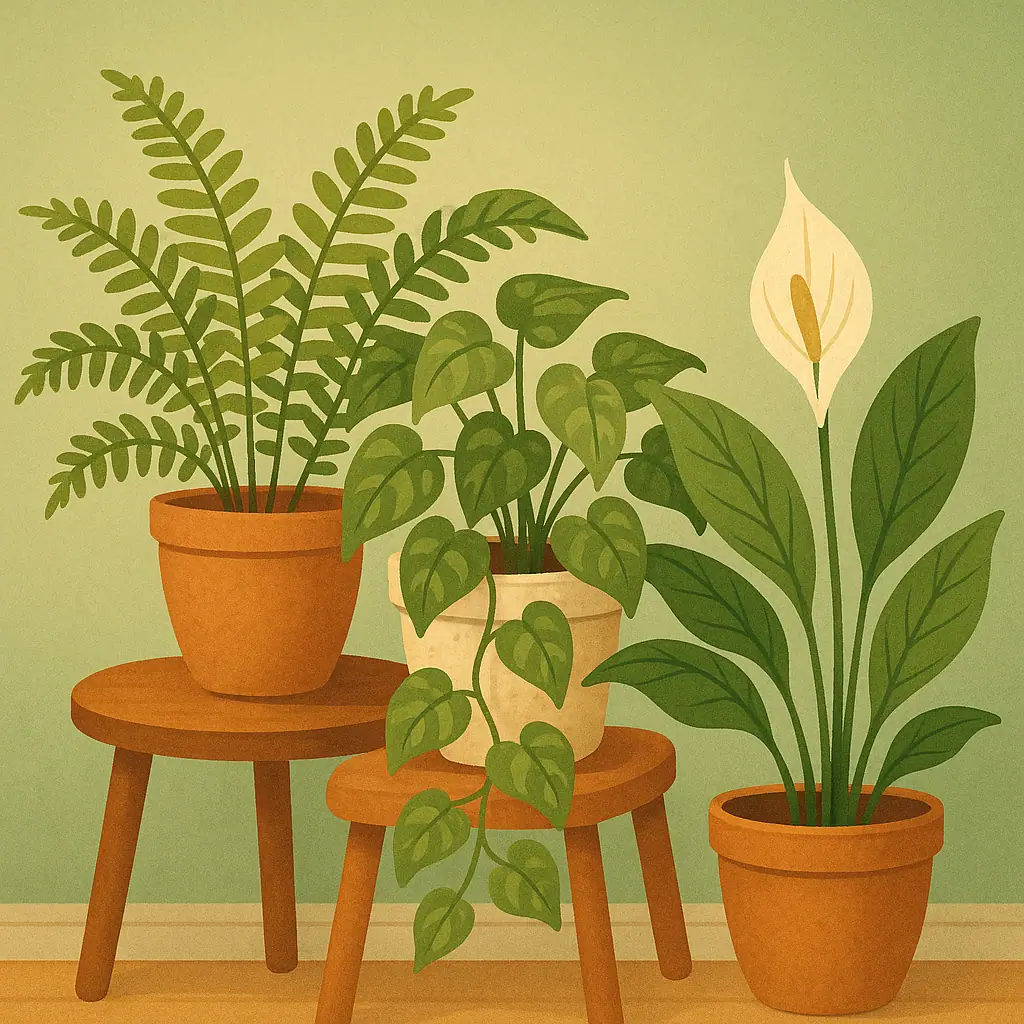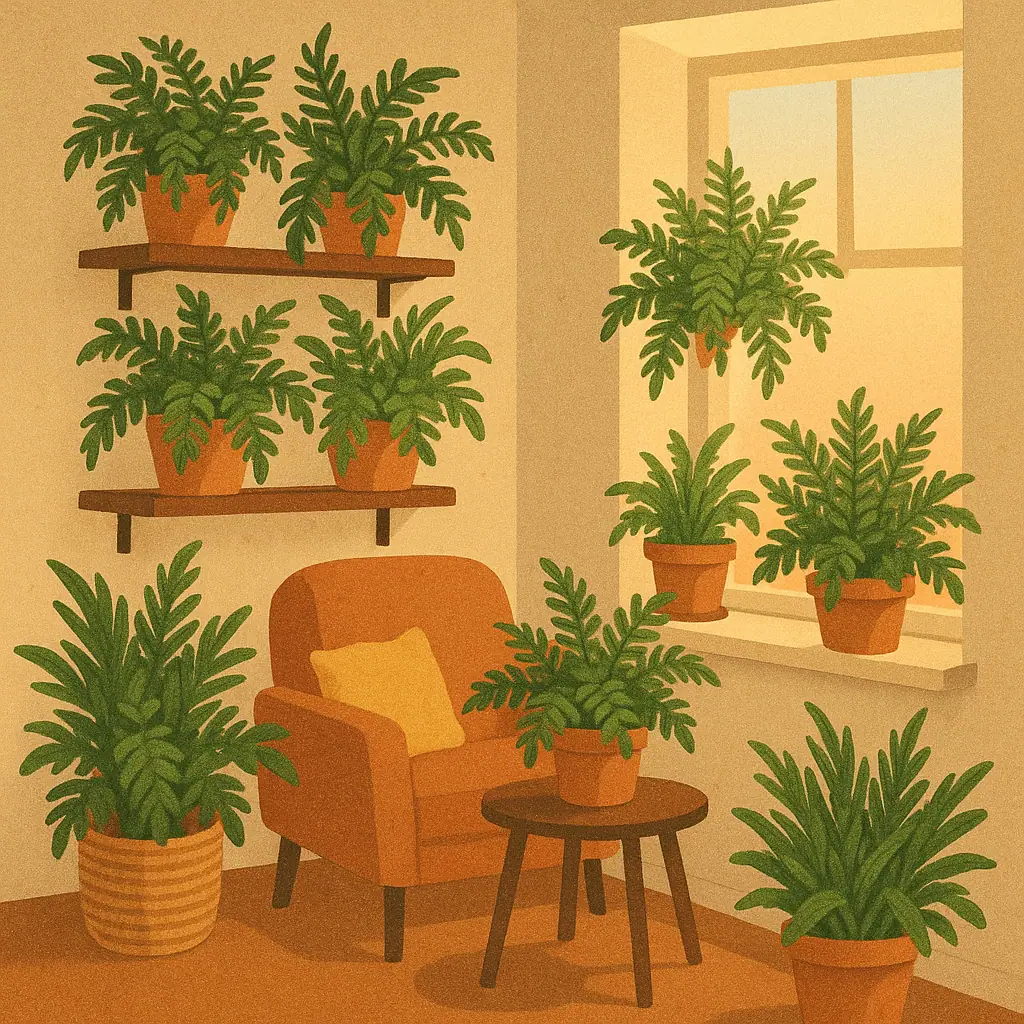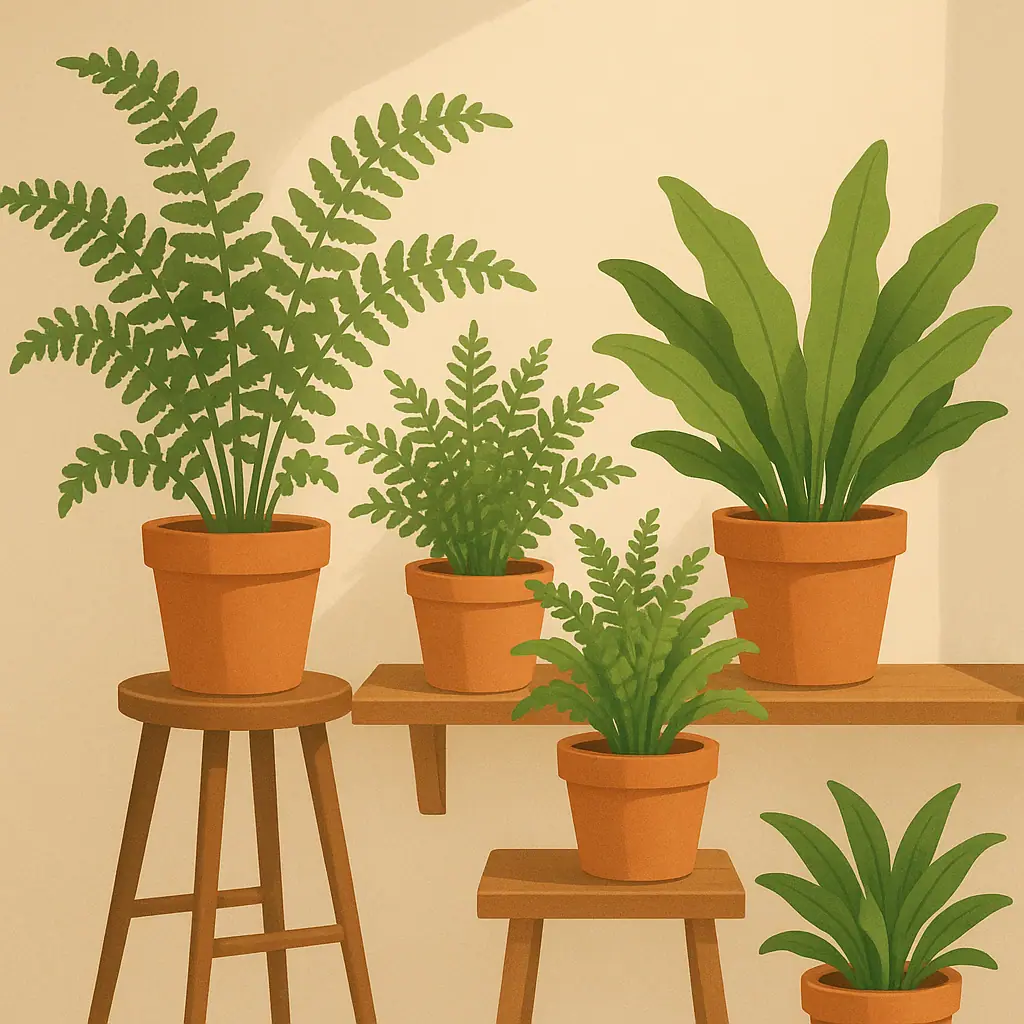
Ferns in terracotta pots have a quiet, old-garden charm. The warm clay color looks natural beside green fronds, and a simple pot can make even a small fern feel like part of a calm indoor garden.
But terracotta is not just a decorating choice. Unglazed clay behaves differently from plastic or glazed ceramic. It can help a pot breathe and dry, which is useful in some fern situations and too drying in others. The best choice depends on the fern, the room, and how often you can check moisture.
This guide will help you decide when terracotta is a good match, which fern shapes look especially lovely in clay, and how to adjust care so the pot supports the plant instead of working against it.
Why Ferns in Terracotta Pots Need a Little Thought
Terracotta is porous, which means it can absorb and release moisture through the sides of the pot. University of Illinois Extension notes that plants in unglazed clay pots often need watering more frequently than plants in plastic pots because clay is porous. Their houseplant watering guide is a useful reference when adjusting care after a container change: Illinois Extension on watering houseplants.
That one detail matters because many indoor ferns prefer evenly moist soil. They usually do not want to sit in soggy mix, but they also dislike drying to a crisp. Terracotta can be helpful for a fern that tends to stay too wet, yet challenging for a fern in a warm, dry, sunny room.
Start With Indoor Garden Design
From a design point of view, terracotta softens a room. It pairs well with wood, books, woven baskets, stone trays, cream walls, and other natural textures. It also keeps the attention on the fern itself because the pot color is warm but not flashy.
If you enjoy arranging plants for a gentle home feeling, terracotta works nicely with the ideas in Fern Display Ideas: Creating Beautiful Indoor Arrangements. A clay pot can anchor a small fern on a shelf, side table, or plant stand without making the corner look crowded.
Where terracotta looks especially good
- Wooden shelves: The warm clay color sits naturally beside wood grain and soft green fronds.
- Reading corners: A terracotta pot gives a fern a homey, settled feeling near a chair or lamp.
- Kitchen windowsills: Clay can look charming in a bright kitchen, as long as the fern is away from heat and harsh direct sun.
- Plant groupings: Several simple clay pots create a collected look without needing matching decorative containers.
What to Check Before Choosing Terracotta
Before moving a fern into terracotta, look at the room and the plant's current behavior. A fern that already dries out every two days may struggle in unglazed clay. A fern that stays wet for a week after watering may benefit from the extra drying help.
Pay attention to the pot size too. A very small terracotta pot dries faster than a larger one. A shallow pot may be handsome, but it can make moisture harder to manage for a fern with a fuller root ball.
Five signs terracotta may suit your fern
- The soil stays wet too long: Clay may help the mix dry at a healthier pace.
- The room is humid: Bathrooms, kitchens, or humidifier areas can balance terracotta's drying habit.
- The fern is sturdy: Tougher ferns often tolerate clay better than very delicate types.
- You check plants often: Terracotta works best when you notice moisture changes before the plant wilts.
- The pot has drainage: Clay still needs a drainage hole and an emptied saucer.
If the pot will sit in a kitchen, also think about heat, drafts, and grease. FernLog's guide to Kitchen Ferns: Where They Work and Where They Struggle explains why a pretty spot still has to be practical for the plant.
Best Fern Situations for Terracotta Pots
Terracotta is often best for ferns that have a bit more tolerance, rooms with steady humidity, or plant owners who tend to water a little too generously. It is less forgiving for delicate ferns in dry air.
- Choose a forgiving fern first. Button fern, rabbit foot fern, blue star fern, and some bird's nest ferns may be easier candidates than a very thirsty maidenhair fern.
- Use a pot only one size up. A large pot can hold too much wet mix even if the clay sides breathe.
- Keep the soil moisture even. Water thoroughly when the top begins to dry, then let the excess drain away.
- Watch the edges of the fronds. Crispy tips may mean the pot and room are drying faster than expected.
- Adjust without drama. If the fern dries too fast, move it to glazed ceramic or slip the nursery pot into a terracotta cachepot for the look without the same moisture loss.
Common Indoor Garden Design Mistakes to Avoid
The first mistake is choosing terracotta only because it looks beautiful. A pot can be lovely and still be wrong for a fern in a dry room. Always match the container to the watering rhythm, not just the shelf.
The second mistake is planting a delicate fern in a tiny clay pot and placing it beside hot glass. That combination can dry the soil faster than a beginner expects. Bright indirect light is helpful; harsh heat is not.
The third mistake is forgetting the saucer. Terracotta can leave moisture marks on furniture, especially after a thorough watering. Use a saucer, tile, cork mat, or plant tray, and empty standing water after the pot drains.
Pros and Cons of Terracotta for Ferns
Natural, calm style
The warm clay color makes ferns feel settled and classic in an indoor garden.
Better drying for wet pots
Porous clay can help a mix that otherwise stays damp too long.
Good weight
Terracotta is often steadier than lightweight plastic for fuller, arching fern growth.
Faster drying
Some ferns may need watering more often, especially in dry rooms.
Furniture marks
Clay can release moisture onto surfaces if it is not protected with a saucer or tray.
A Simple Terracotta Checklist
Use this short checklist before you repot or restyle a fern.
- Room: Is the room humid enough, or very dry?
- Fern: Is this fern sturdy, or known for needing constant moisture?
- Pot: Does the terracotta pot have a drainage hole?
- Size: Is the new pot only slightly larger than the root ball?
- Surface: Is there a saucer or tray to protect furniture?
- Routine: Can you check moisture a little more often for the first two weeks?
When to Choose Another Pot Instead
Choose another pot if your home is very dry, if the fern is already hard to keep moist, or if you travel often and cannot check water regularly. Glazed ceramic, plastic nursery pots, or self-watering approaches may be calmer choices for those situations.
You can still enjoy the terracotta look without planting directly into clay. Use terracotta as a decorative outer pot, keep the fern in a nursery pot inside it, and remove the inner pot for watering and drainage. That gives you more control while keeping the warm design style.
Frequently Asked Questions
Are ferns good plants for terracotta pots?
Some are, especially sturdy ferns in humid rooms or pots that stay wet too long. Delicate ferns in dry rooms may do better in plastic or glazed ceramic.
How often should I check a fern after moving it to terracotta?
Check moisture every few days for the first two weeks. Once you learn the drying rhythm, you can return to a normal care routine.
What should I do if the fern dries too fast?
Move it away from heat, water thoroughly when needed, or switch to glazed ceramic. You can also use terracotta as an outer decorative pot instead.
Can I undo the choice later?
Yes. If terracotta is not working, move the fern back to a pot that holds moisture more steadily and let the plant settle before making more changes.
Final Thoughts
Ferns in terracotta pots can look peaceful, natural, and beautifully at home. The key is to remember that terracotta affects care as well as style. It dries faster, protects against some soggy-pot problems, and asks you to watch moisture a little more closely.
Start with one sturdy fern, one well-draining clay pot, and a two-week observation period. If the fern stays perky and the pot fits your routine, terracotta may become one of the simplest ways to make your indoor garden feel warm and collected.