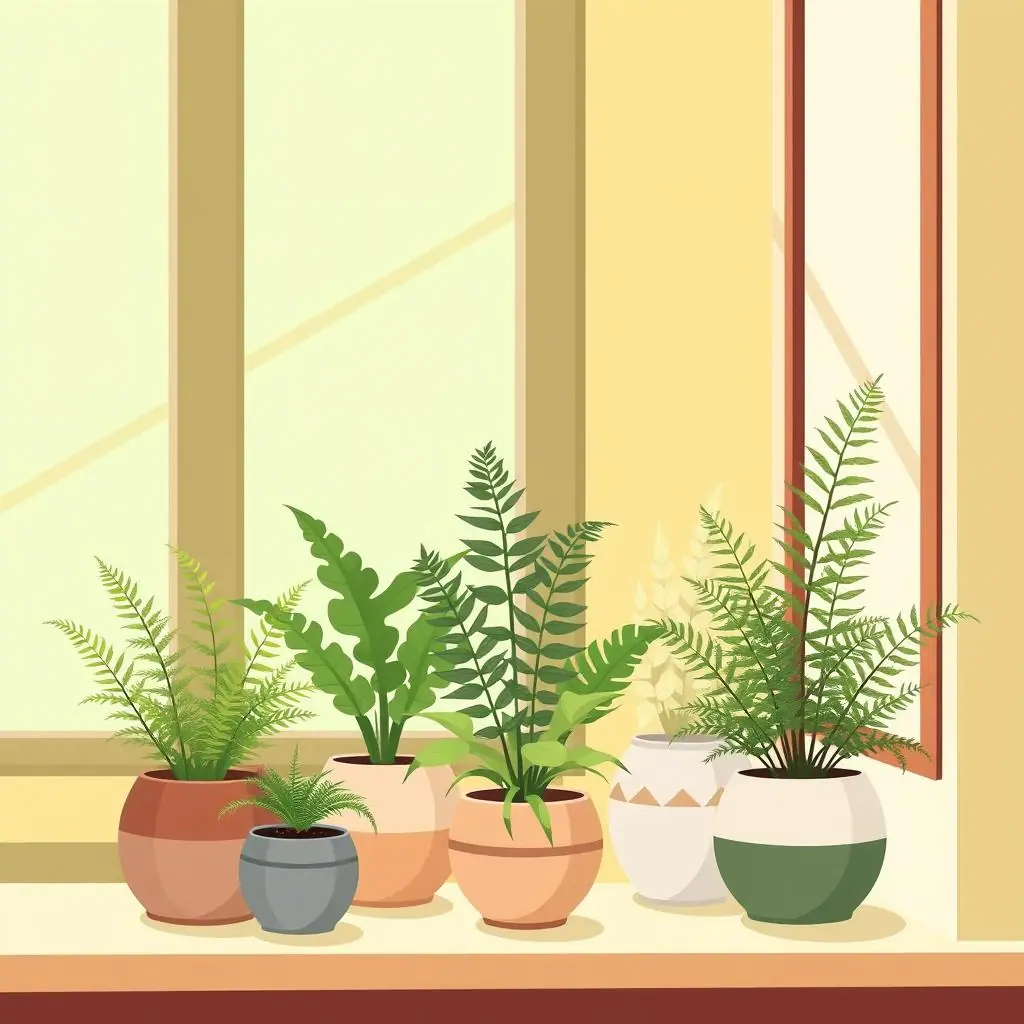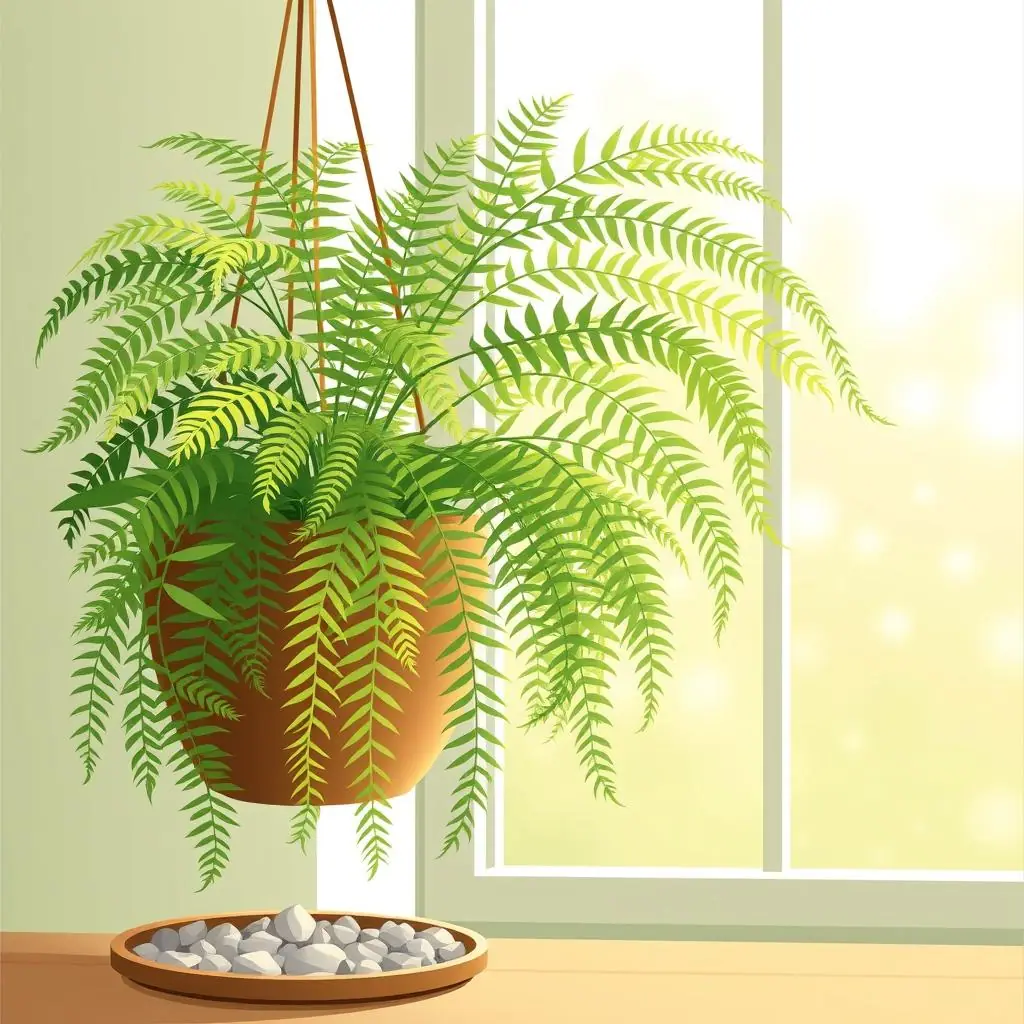
A house full of ferns carries stories. The Boston fern in the corner that survived three apartments. The bird's nest fern that came from a neighbor's yard sale. The maidenhair that nearly died three times before finally thriving. These plants hold time.
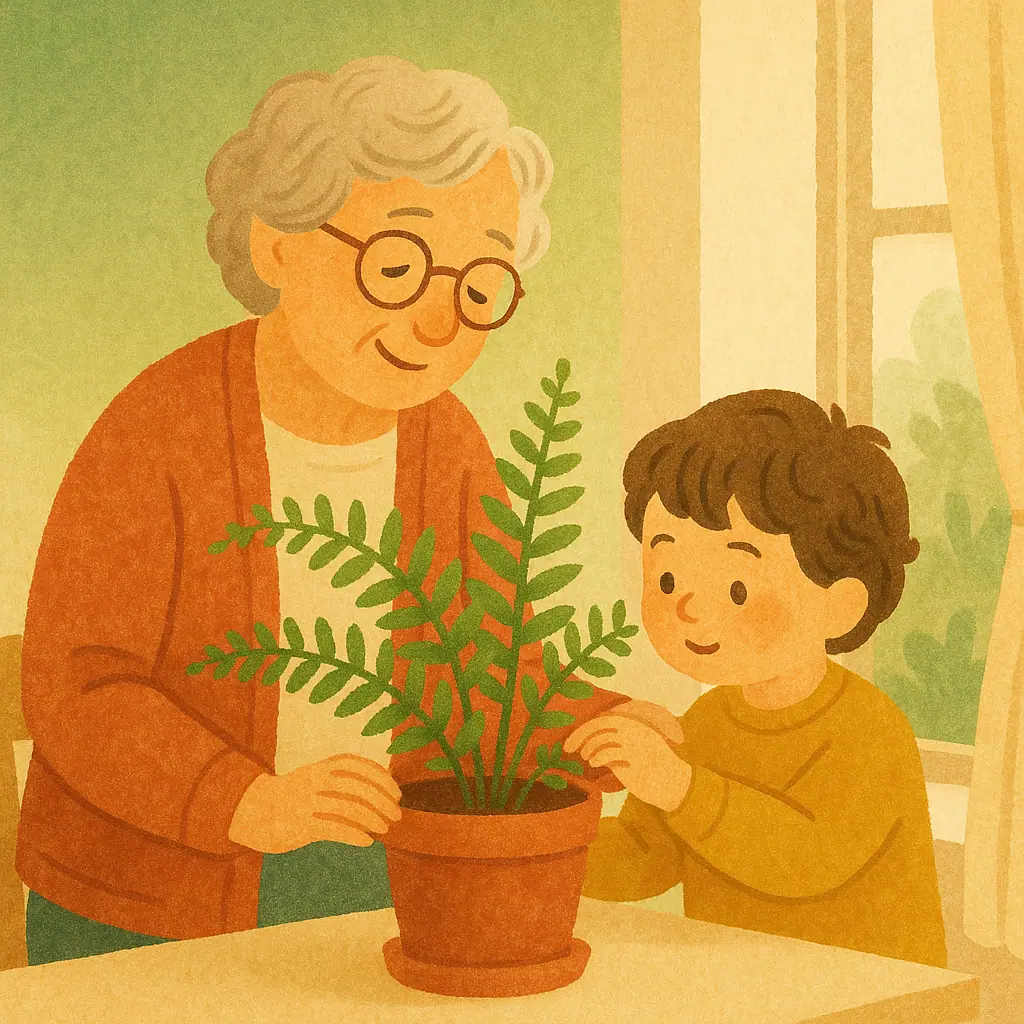
Passing that connection to younger family members — whether children, grandchildren, or neighbors just starting out — is one of the most quietly profound things a gardener can do. A plant legacy is not about leaving behind possessions. It is about sharing a practice, a rhythm, and a way of paying attention.
What Is a Plant Legacy?
A plant legacy is the cumulative effect of introducing someone to the habit and pleasure of caring for plants. It does not require a large collection or rare species. A single healthy fern, cared for consistently and shared intentionally, can spark a lifelong connection to growing things.
Research from university extension programs suggests that children who garden develop stronger observation skills, greater patience, and a deeper sense of responsibility — qualities that extend far beyond the garden. For grandparents and older relatives, sharing plant care offers both connection and a way to pass on accumulated knowledge.
- Living inheritance: Divisions from a long-tended fern become living links across generations, carrying a piece of one home into another.
- Shared routine: Regular watering and check-ins create natural, low-pressure moments for family connection.
- Transferable skills: Learning to read a plant's needs — noticing drooping fronds or dry soil — builds observation and attentiveness that applies well beyond plant care.
Why Ferns Are Ideal for Intergenerational Gardening
Unlike orchids or succulents, which can have counterintuitive care requirements, ferns follow a logic that feels natural: they come from forest floors, they like shade, they like moisture, they like gentle attention. Explaining a fern to a child is straightforward because the fern's biology tells its own story.
Ferns are also forgiving of beginner mistakes — within limits. A week of inconsistent watering is recoverable. They do not demand perfection, which makes them ideal for young caretakers still building their confidence.
Simple Ways to Involve Children and Grandchildren
The most effective way to pass on plant love is through doing, not just explaining. Observation and small responsibilities build genuine connection over time.
- Assign one plant as theirs: Let a child or grandchild choose a small fern to own and name. Ownership creates investment.
- Teach the touch test: Show younger family members how to check soil moisture by pressing a finger into the top inch. This hands-on habit is more useful than any watering schedule.
- Document growth together: Keep a simple plant journal — a small notebook where you sketch frond shapes, note new growth, and record unusual changes. Children enjoy this kind of systematic observation.
- Include them in repotting: Repotting day is naturally hands-on and sensory. Let younger helpers hold the pot, scoop soil, and water at the end.
- Give divisions as milestones: Mark birthdays, graduations, or first apartments with a fern division and a handwritten care card. The plant becomes a living marker of a moment in time.
Creating Family Rituals Around Your Ferns
Rituals do not need to be formal. They simply need to be repeated. A Sunday morning walk through your fern collection with a grandchild, narrating what you notice and what needs attention, is a ritual. So is the tradition of gifting a division to every family member who moves into a new home.
These small, consistent practices create continuity. A family member who receives a fern division in their twenties and is still tending that same lineage in their fifties is carrying something forward — not just a plant, but a habit of care and attention that quietly shapes how they move through the world.
Pros and Cons of Family Plant Sharing
Builds lasting connection
Shared plant care creates low-pressure moments for meaningful conversation and time spent together across generations.
Creates living memories
A fern division grows into a plant that carries a story, connecting households and generations with something alive and tended.
Teaches responsibility naturally
Children who care for plants learn patience and attentiveness without formal instruction — the plant itself becomes the teacher.
Not every recipient is ready
Some people, especially young children without consistent adult guidance, may struggle to keep a gifted plant alive. Meet them where they are.
Requires honest expectations
A plant can die despite good intentions. Frame losses as learning, not failure, to keep the experience positive for younger caretakers.
Frequently Asked Questions
What age can children start caring for indoor ferns?
Children as young as 5 or 6 can participate in simple tasks like watering with a small cup or misting with a spray bottle. Full responsibility — monitoring soil moisture and knowing when to water — is typically manageable by age 10 or 11 with some guidance.
Are ferns safe for homes with young children and pets?
Most true ferns, including Boston ferns, bird's nest ferns, and maidenhair ferns, are considered non-toxic to both children and common pets. Always verify the specific species, as asparagus fern — technically not a true fern — can cause mild irritation.
How do I share care knowledge without overwhelming a beginner?
Stick to three rules at a time: where to place the plant, how often to water, and one warning sign to watch for such as crispy tips or drooping fronds. Overloading a new caretaker with information often does more harm than good. Let experience fill in the rest.
Final Thoughts
Your indoor ferns are more than decoration. They are a record of attention, patience, and care extended over time. When you share a division, you share all of that — and invite someone new into the quiet, grounding practice of tending something living.
The best plant legacy is simply this: the habit of noticing. Of checking in, adjusting, recovering, and trying again. That habit, passed from one generation to the next through something as humble as a potted fern, is a genuinely meaningful gift.