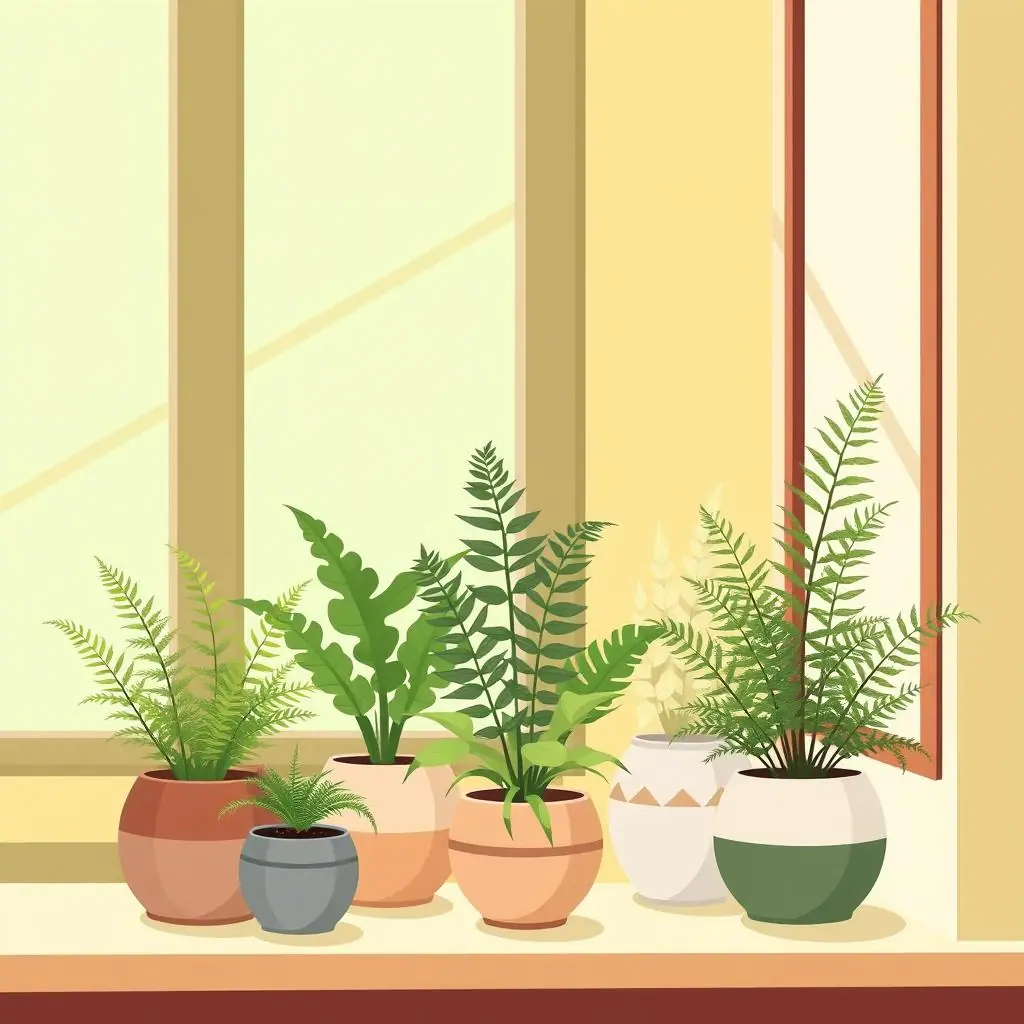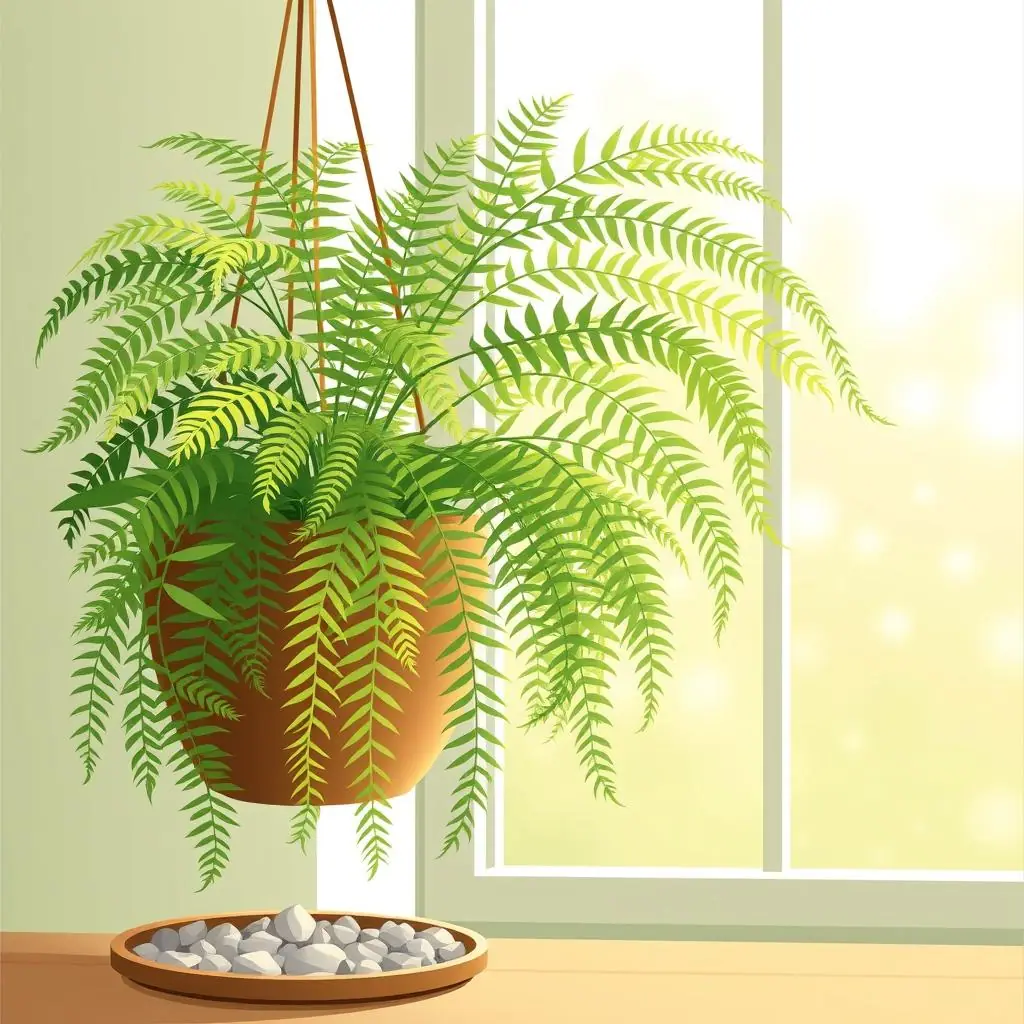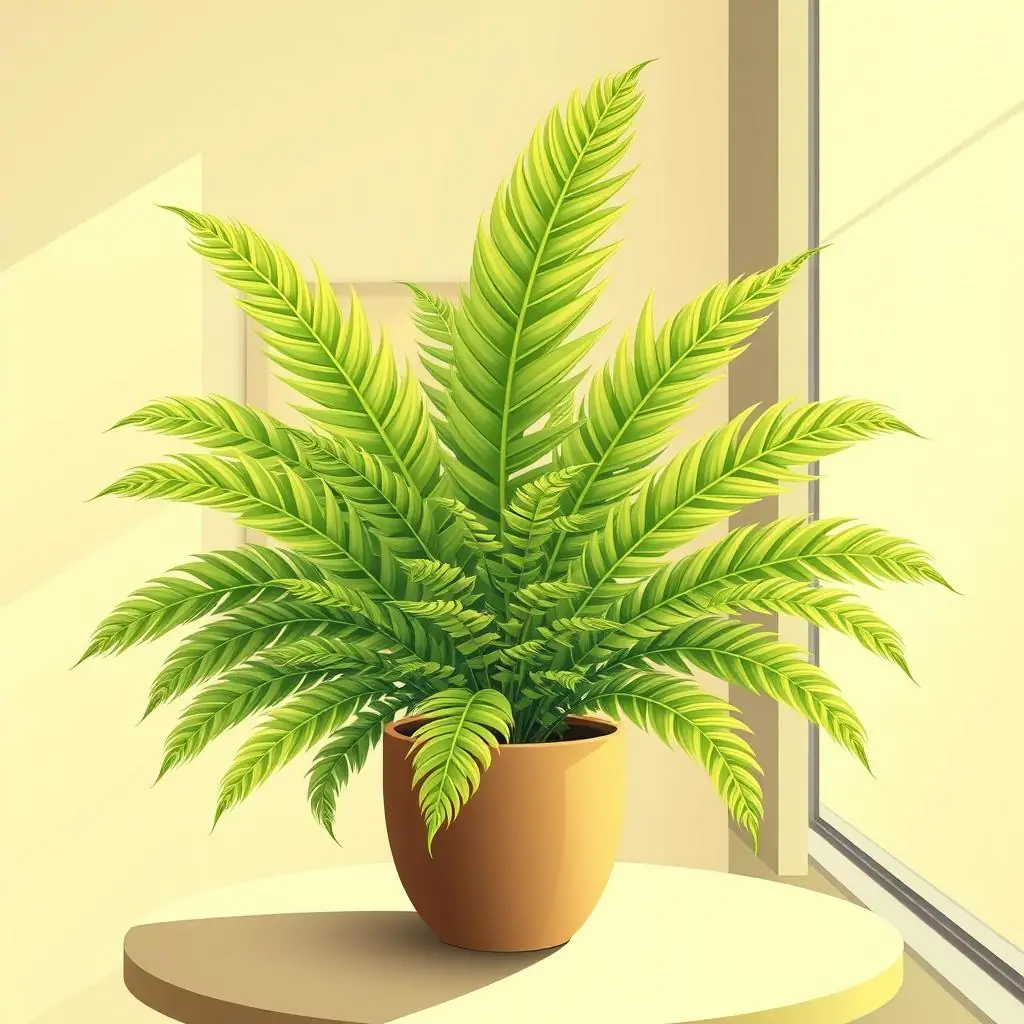
Walk into any plant store and you'll likely see "asparagus ferns" sitting alongside true ferns like Boston and bird's nest varieties. But here's a secret that surprises many plant lovers: asparagus ferns aren't actually ferns at all! This beautiful, feathery plant has been masquerading as a fern for decades.
Understanding what asparagus fern really is – and how it differs from true ferns – will completely change how you care for this popular houseplant. Once you know its true identity, you'll understand why your asparagus "fern" might need different care than your actual ferns.
- Not a true fern: Asparagus fern is actually related to garden asparagus
- Different family: Belongs to the asparagus family, not the fern family
- Distinct care needs: Requires different watering and light than real ferns
- Popular houseplant: Still makes an excellent indoor plant when cared for properly
What Is Asparagus Fern Really?
Asparagus fern (Asparagus aethiopicus) belongs to the same family as the edible asparagus spears you enjoy at dinner. Scientifically, it's part of the Asparagaceae family, while true ferns belong to various families including Polypodiaceae and Pteridaceae.
The confusion comes from its appearance – those delicate, needle-like "leaves" look remarkably similar to fern fronds. But what you're seeing aren't leaves at all. They're actually modified stems called cladodes that perform the same function as leaves.
This plant earned its common name purely from looks, not botany. It's like calling a butterfly fish a butterfly – the name describes appearance, not scientific relationship.
How to Tell Them Apart
Once you know what to look for, distinguishing asparagus ferns from true ferns becomes easy. The differences are clear when you examine the plant closely.
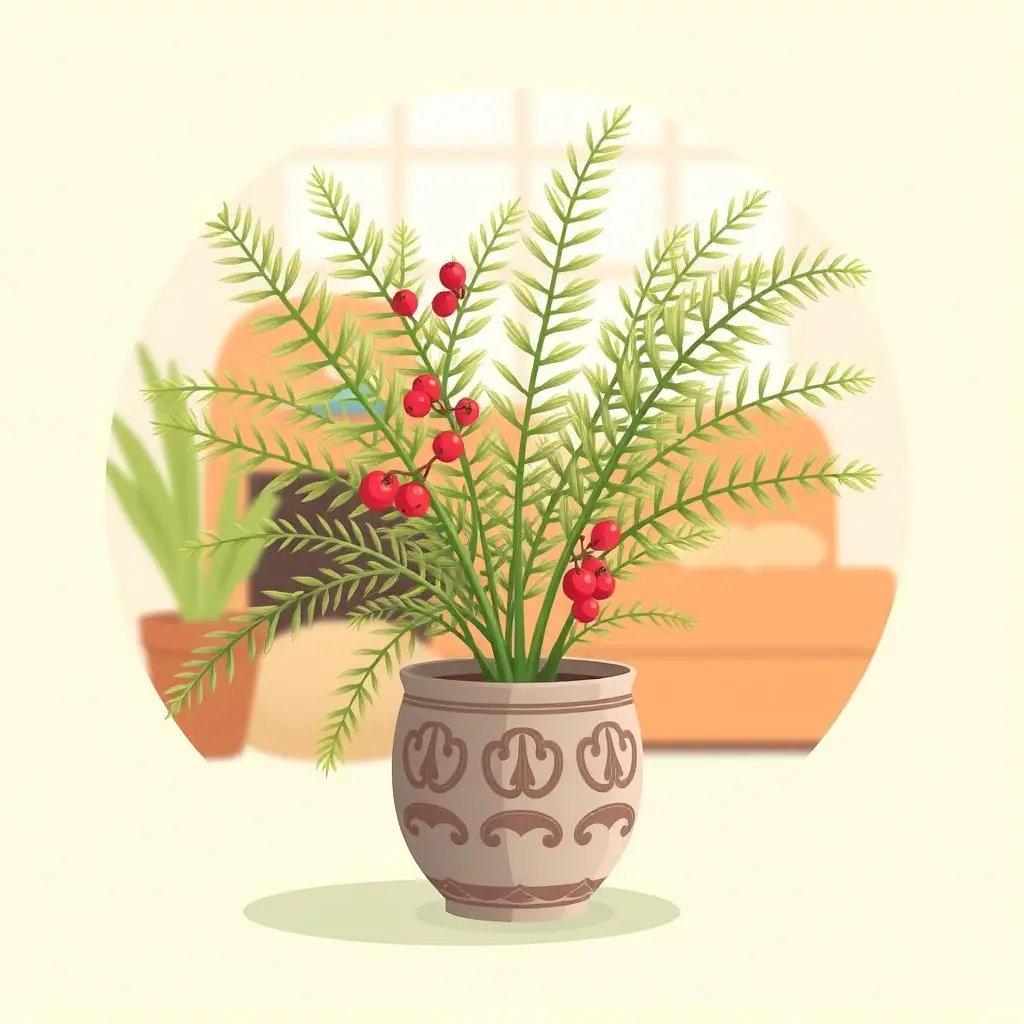
True ferns reproduce through spores found on the undersides of their fronds. You'll see brown or black dots, lines, or patches. Asparagus ferns, being flowering plants, reproduce through seeds contained in those bright red berries.
Visual Differences
True ferns have actual leaves called fronds that unfurl from tight coils called fiddleheads. These fronds are usually flat and broad, even if they're divided into smaller segments.
Asparagus ferns have needle-like cladodes that are cylindrical and pointed. They branch in a feathery pattern but lack the flat, broad structure of true fern fronds.
Root System Differences
Look below the soil line for another clear difference. Asparagus ferns develop thick, fleshy tubers that store water and nutrients – similar to dahlia tubers. True ferns typically have fibrous root systems or rhizomes, but not these bulbous storage structures.
Care Differences That Matter
Understanding that asparagus fern isn't a true fern explains why it might struggle if you treat it like your other ferns. These plants have evolved different survival strategies and therefore need different care approaches.
Watering Needs
True ferns generally prefer consistently moist soil and high humidity. Asparagus ferns, with their water-storing tubers, can tolerate slight drying between waterings. In fact, they're more likely to develop root rot from overwatering than true ferns.
Water your asparagus fern when the top inch of soil feels dry, rather than maintaining the constant moisture that most true ferns prefer.
Light Requirements
Many true ferns thrive in low to moderate light conditions, mimicking their natural forest floor habitat. Asparagus ferns, however, appreciate brighter conditions and can even handle some direct morning sunlight.
Place your asparagus fern in a spot with bright, indirect light or gentle morning sun. Too much shade will result in leggy, sparse growth.
Why the Confusion Persists
Feathery Texture
The delicate, fine foliage creates a similar soft, airy appearance.
Cascading Growth
Both asparagus ferns and many true ferns have trailing, graceful growth habits.
Green Color
The bright green foliage looks similar from a distance.
Reproduction Method
Produces flowers and berries instead of spores.
Leaf Structure
Has needle-like cladodes, not broad fronds.
Root System
Develops tuberous roots for water storage.
Caring for Your Asparagus Fern
Now that you know asparagus fern's true identity, you can provide the care it actually needs rather than treating it like a true fern.
- Watering frequency: Allow top inch to dry between waterings
- Light preference: Bright, indirect light with some morning sun tolerance
- Humidity needs: Moderate humidity, less demanding than true ferns
- Fertilizing: Monthly during growing season with balanced fertilizer
- Pruning: Regular trimming keeps growth full and prevents legginess
Frequently Asked Questions
Why is asparagus fern called a fern if it's not one?
The name comes purely from appearance. Its feathery, delicate foliage resembles true fern fronds, leading to the common name that stuck despite botanical differences.
Are asparagus fern berries safe to eat?
No, asparagus fern berries are toxic to humans and pets. Despite being related to edible asparagus, the berries contain compounds that can cause digestive upset.
Can I grow asparagus fern with my other ferns?
Yes, but monitor their different care needs. Asparagus fern may need less frequent watering and can tolerate brighter light than most true ferns.
How do I propagate asparagus fern?
Division works best – carefully separate the tuberous roots during repotting. You can also grow new plants from the seeds inside the red berries.
Final Thoughts
Learning that asparagus fern isn't a true fern doesn't make it any less valuable as a houseplant. In fact, understanding its real identity helps you provide better care and enjoy this beautiful plant to its fullest potential.
Whether you're growing true ferns or asparagus ferns, the key is matching your care to each plant's actual needs rather than assumptions based on common names. Your asparagus fern will thank you for treating it like the unique flowering plant it really is.
Next time someone asks about your "fern" collection, you'll have a fascinating botanical story to share about the plant that looks like a fern but grows like something completely different.