
If ferns were fashion statements, the Bird’s Nest Fern would be that perfectly tailored outfit that never goes out of style. With its glossy, sword-shaped fronds emerging from a central rosette like nature’s own architectural masterpiece, Asplenium nidus brings instant sophistication to any space while being surprisingly forgiving to newcomers.
Unlike the delicate, feathery fronds of most ferns, Bird’s Nest Ferns sport thick, leathery leaves that look almost artificial in their perfection. This isn’t just for show—those sturdy fronds make this fern much more tolerant of indoor conditions than its more delicate cousins. It’s like choosing a reliable sedan over a high-maintenance sports car, but one that happens to look absolutely stunning.
- Distinctive appearance: Glossy, undivided fronds create unique architectural interest
- Low-maintenance nature: More forgiving than traditional lacy ferns
- Pet-safe choice: Non-toxic to cats, dogs, and children
What Makes Bird’s Nest Ferns Special?
Bird’s Nest Ferns are the minimalists of the fern world. Instead of complex, divided fronds, they produce simple, elegant leaves that unfurl from a central “nest”—hence the name. This rosette pattern creates a natural focal point that works beautifully in modern, traditional, or eclectic decor.
In nature, these ferns grow as epiphytes, living on trees and rocks rather than in soil. This means they’re naturally adapted to getting by with less—less water, less nutrients, and more variable conditions. For indoor gardeners, this translates to a remarkably forgiving plant that won’t punish you for occasional lapses in care.
Light Requirements: The Goldilocks Zone
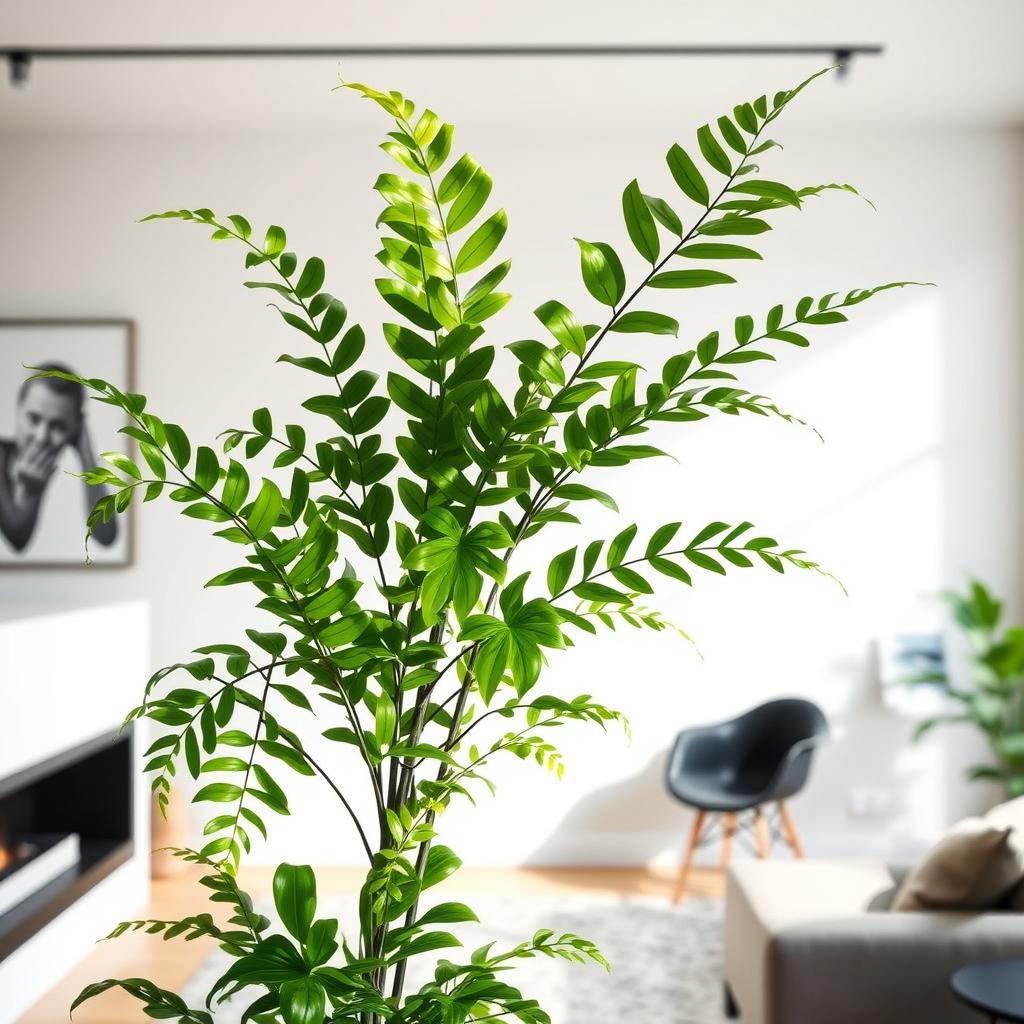
Bird’s Nest Ferns have mastered the art of living in the shadows. In their tropical homes, they thrive under the canopy of larger trees, receiving bright but filtered light. Your goal is to recreate this gentle, indirect lighting in your home.
North or east-facing windows are often perfect spots, providing bright light without harsh direct sun. If you have a south or west-facing window, place your fern a few feet away from the glass, or use a sheer curtain to filter the intensity. Think of it as providing your plant with designer sunglasses—protection from harsh rays while still letting in plenty of light.
💡 Light Tip: Bird’s Nest Ferns can tolerate lower light better than most houseplants, making them excellent choices for offices or rooms without ideal window placement. While growth may be slower in low light, the plant will remain healthy and beautiful.
Watering: Simple and Straightforward
Watering a Bird’s Nest Fern is refreshingly simple once you learn the golden rule: water the soil, not the plant. Unlike some ferns that appreciate misting and humidity from above, Bird’s Nest Ferns prefer to drink through their roots while keeping their crowns dry.
Check the soil weekly by inserting your finger about an inch deep. When the top inch feels dry, it’s time to water. Pour water slowly around the base of the plant, letting it soak into the soil without splashing onto the fronds or pooling in the center.
- Frequency: Typically once a week in summer, less in winter
- Method: Water at soil level, never in the center rosette
- Amount: Water until it drains from the bottom holes, then empty the saucer
- Quality: Distilled or filtered water is best, as these ferns can be sensitive to fluoride
Creating the Perfect Environment
Bird’s Nest Ferns appreciate a spa-like atmosphere—warm, humid, and peaceful. The good news is you don’t need to transform your entire home into a tropical paradise. A few simple adjustments can create the perfect microclimate for your fern to thrive.
🌡️ Temperature Comfort Zone
Keep your Bird’s Nest Fern in the same temperature range you find comfortable—between 60-80°F (15-27°C). Avoid placing it near heating vents, air conditioning units, or drafty windows where temperature swings can stress the plant.
💧 Humidity Solutions
While these ferns prefer higher humidity, they’re more tolerant of average home conditions than many tropical plants. A pebble tray with water underneath the pot (pot sitting on pebbles, not in water) provides gentle, consistent humidity without risk of overwatering.
Soil and Repotting Made Easy
Bird’s Nest Ferns aren’t picky about soil, but they do appreciate good drainage and some organic matter. A standard high-quality potting mix works well, or you can create your own blend with equal parts potting soil, peat moss, and perlite for extra drainage.
Repotting is needed every 1-2 years, typically when you notice roots growing from the drainage holes. Choose a pot only 1-2 inches larger than the current one—these ferns actually prefer being slightly root-bound to having too much space.
Simple Care Routine
Caring for a Bird’s Nest Fern can become as routine as your morning coffee. The key is consistency rather than perfection. Here’s a simple weekly routine that takes just a few minutes:
- Weekly check: Test soil moisture and water if needed
- Monthly wipe: Gently clean fronds with a damp cloth to remove dust
- Seasonal trim: Remove any yellowing or damaged fronds with clean scissors
- Spring fertilizer: Light feeding once a month during growing season
Pros and Cons of Bird’s Nest Ferns
Unique Architecture
Creates striking visual impact with glossy, undivided fronds in rosette pattern.
Low-Maintenance Nature
More forgiving than traditional ferns, tolerates occasional watering lapses.
Pet and Child Safe
Non-toxic to cats, dogs, and humans—perfect for family homes.
Crown Rot Risk
Watering in the center rosette can cause fatal crown rot if not careful.
Fragile Fronds
Individual leaves can be damaged easily if handled roughly.
Frequently Asked Questions
Why are my Bird’s Nest Fern fronds turning yellow?
Yellowing fronds usually indicate overwatering, too much direct sunlight, or over-fertilization. Check your watering schedule and ensure the plant isn’t getting harsh direct light.
Can I mist my Bird’s Nest Fern?
Light misting around the plant (not directly on fronds) can help with humidity, but be very careful not to get water in the center rosette. A pebble tray is often safer for increasing humidity.
How do I know if my fern needs repotting?
Look for roots growing from drainage holes, water running straight through without absorbing, or very slow growth despite good care. Spring is the best time for repotting.
Is it normal for new fronds to be curled?
Yes! New fronds emerge tightly curled and gradually unfurl over several days or weeks. Avoid touching or trying to “help” them open—let them unfurl naturally.
Final Thoughts
Bird’s Nest Ferns prove that sometimes the most beautiful things are also the most practical. Their striking architectural form brings instant sophistication to any space, while their forgiving nature makes them perfect for both beginning and experienced plant parents.
The key to success with Bird’s Nest Ferns is embracing their simple needs: bright indirect light, consistent moisture at the soil level, and the occasional dust cleaning to keep those gorgeous fronds gleaming. Once you establish a basic routine, you’ll find this fern rewards your minimal effort with maximum beauty, growing steadily into an impressive specimen that never fails to impress visitors.